Void is Seductive
Salomé Chatriot @office impart, Berlin.
Spotlight: September 25th, 2026
Salomé Chatriot @office impart, Berlin. 09.09.26 - 30.10.2026
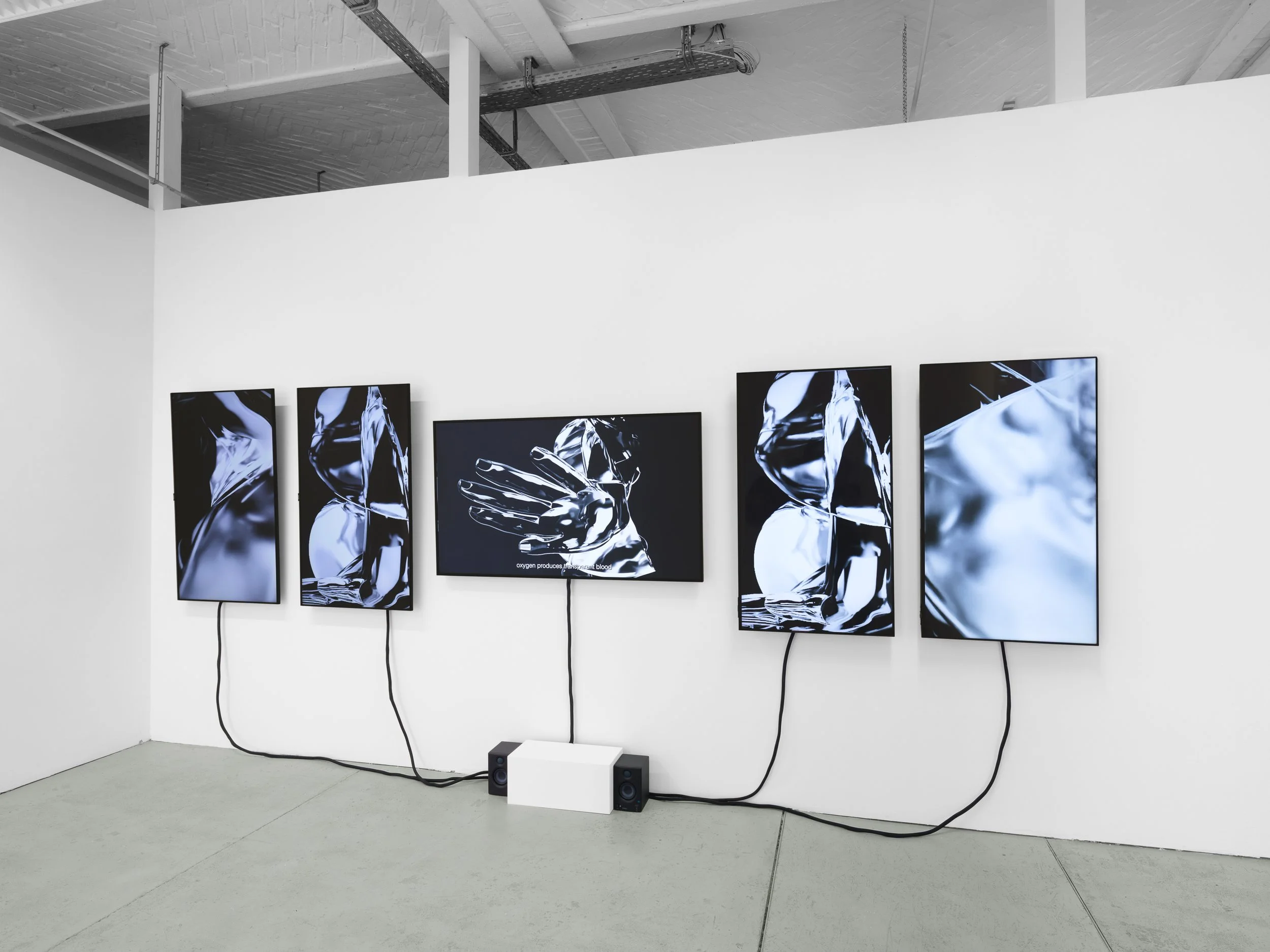
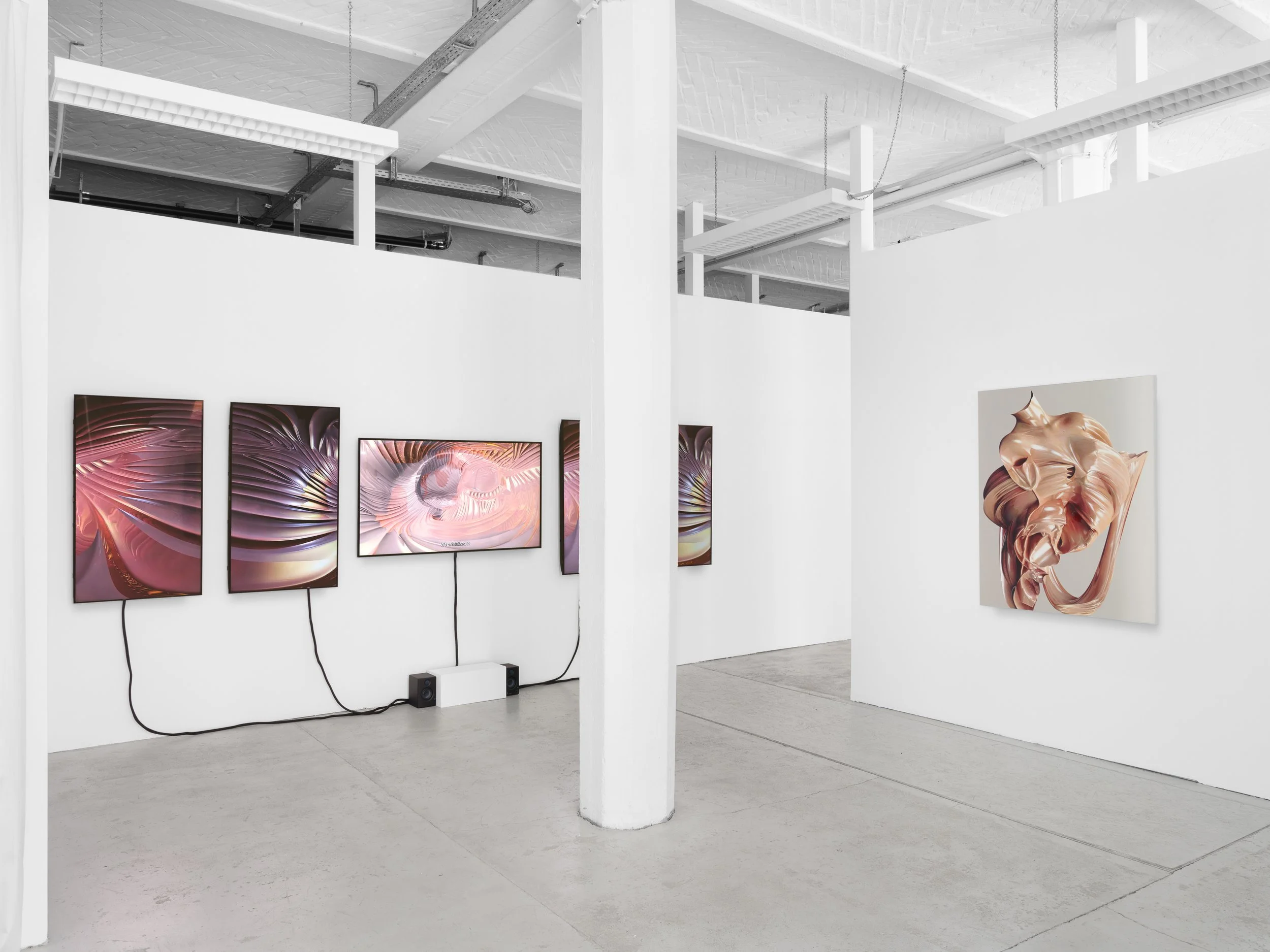
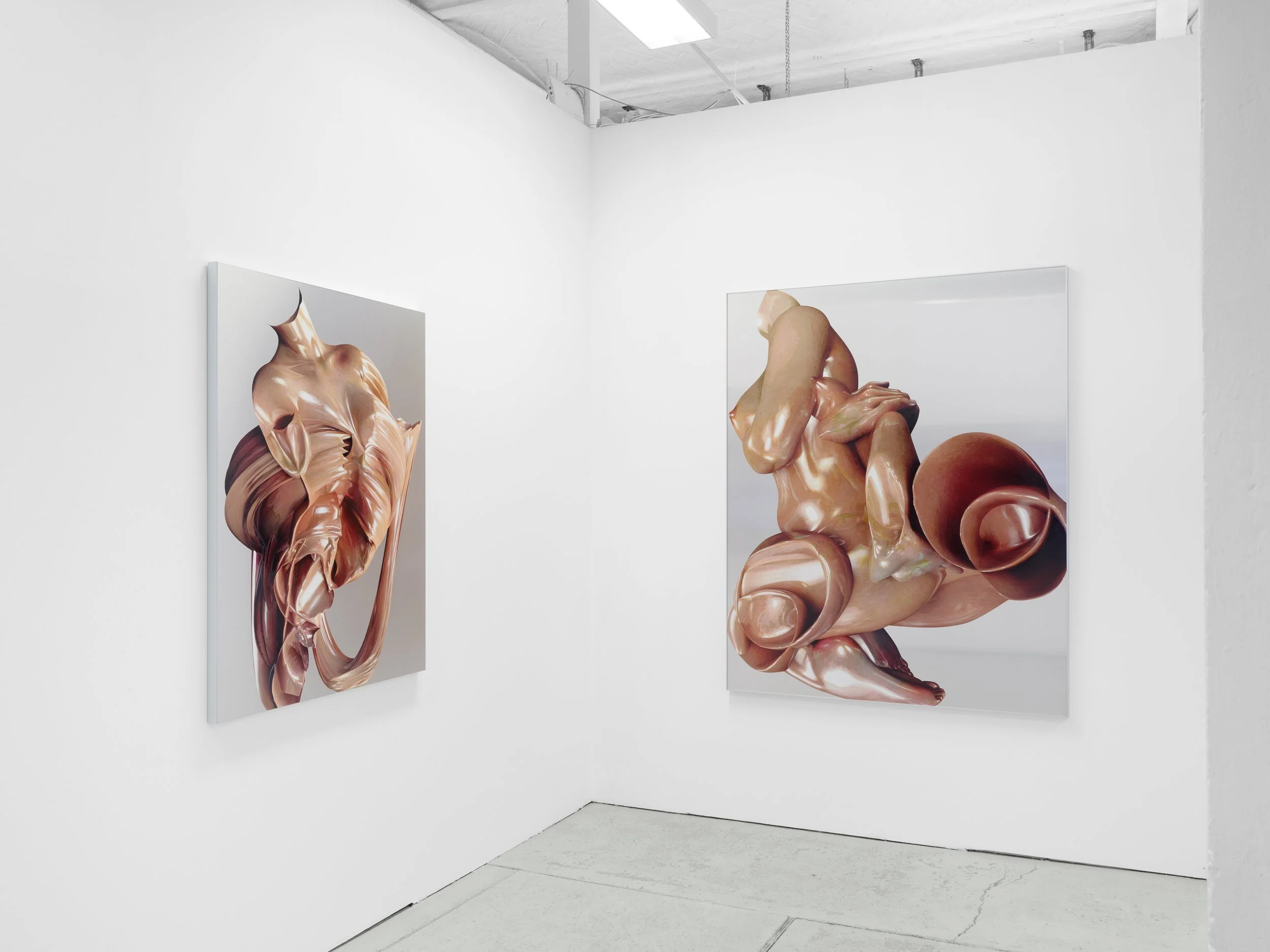
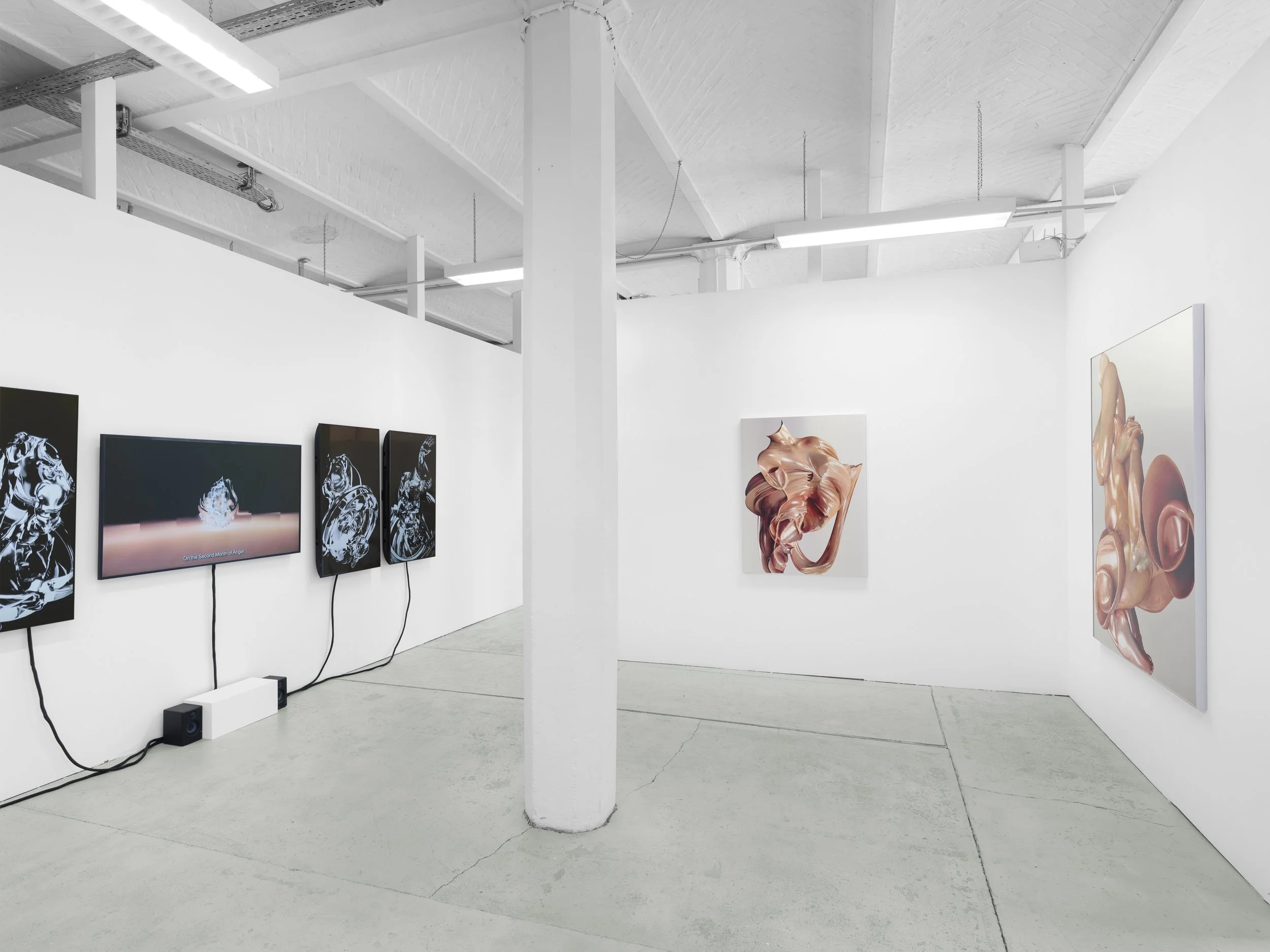
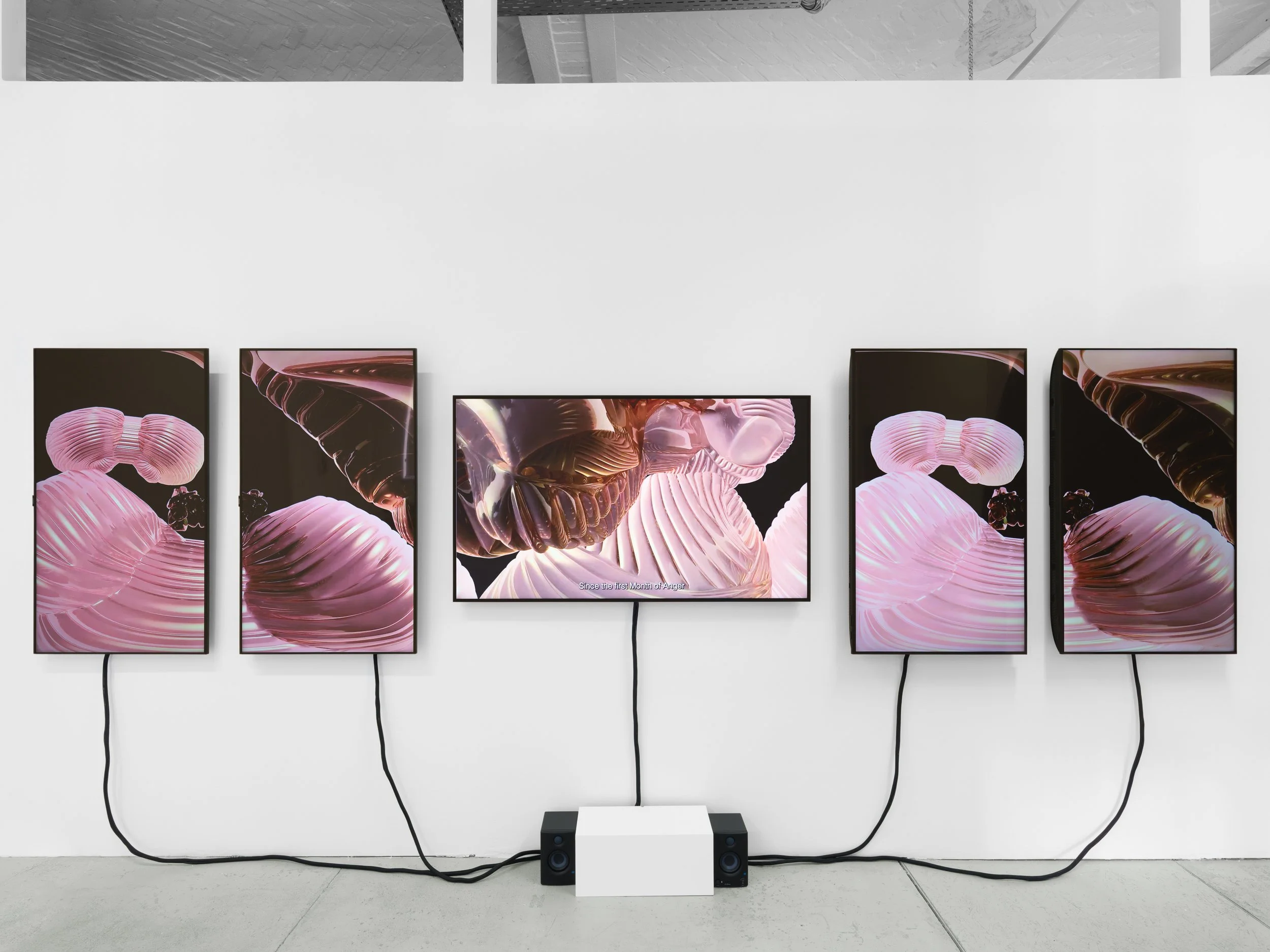
New media technologies not only expand the ways in which we perceive reality;
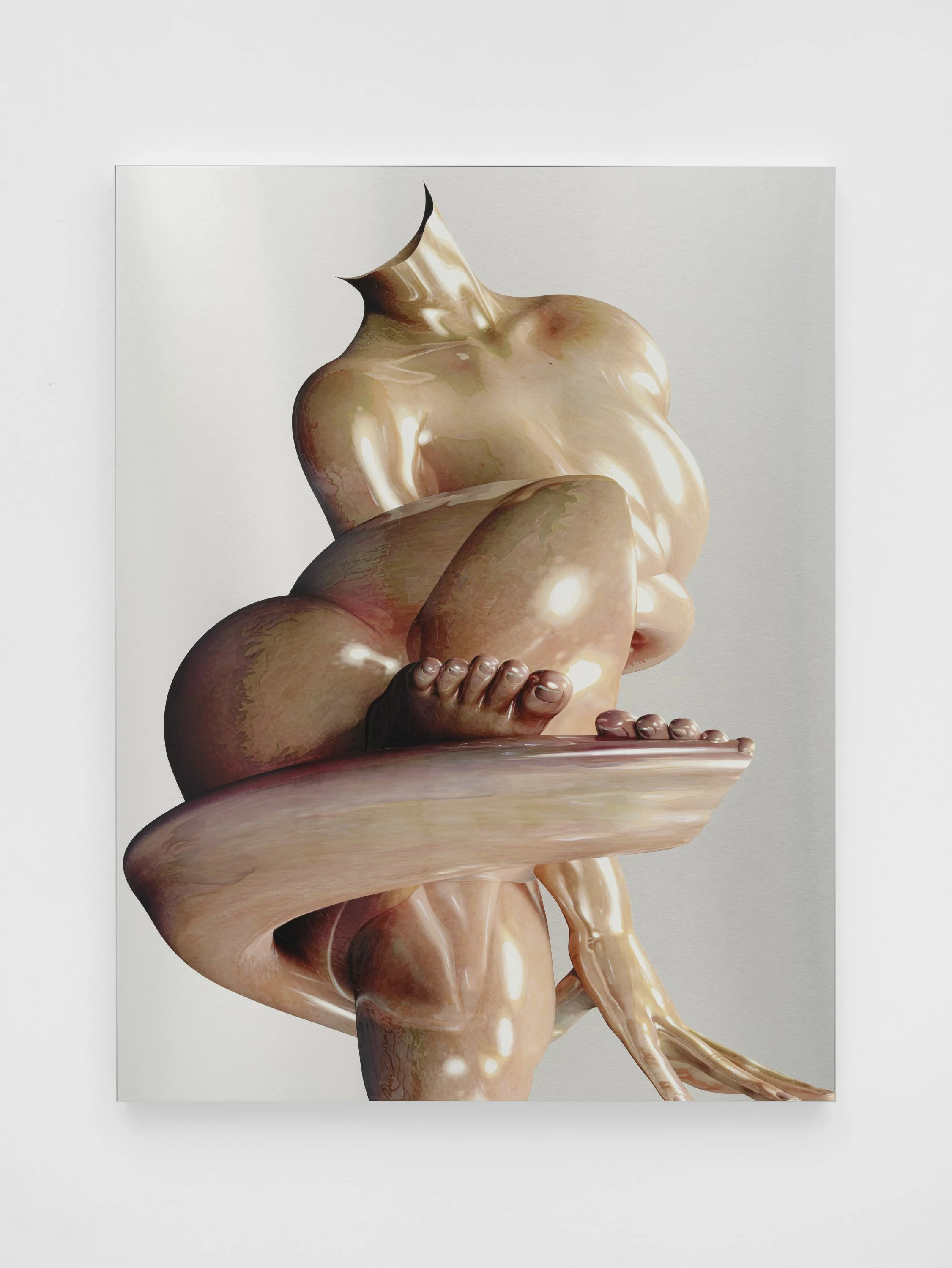
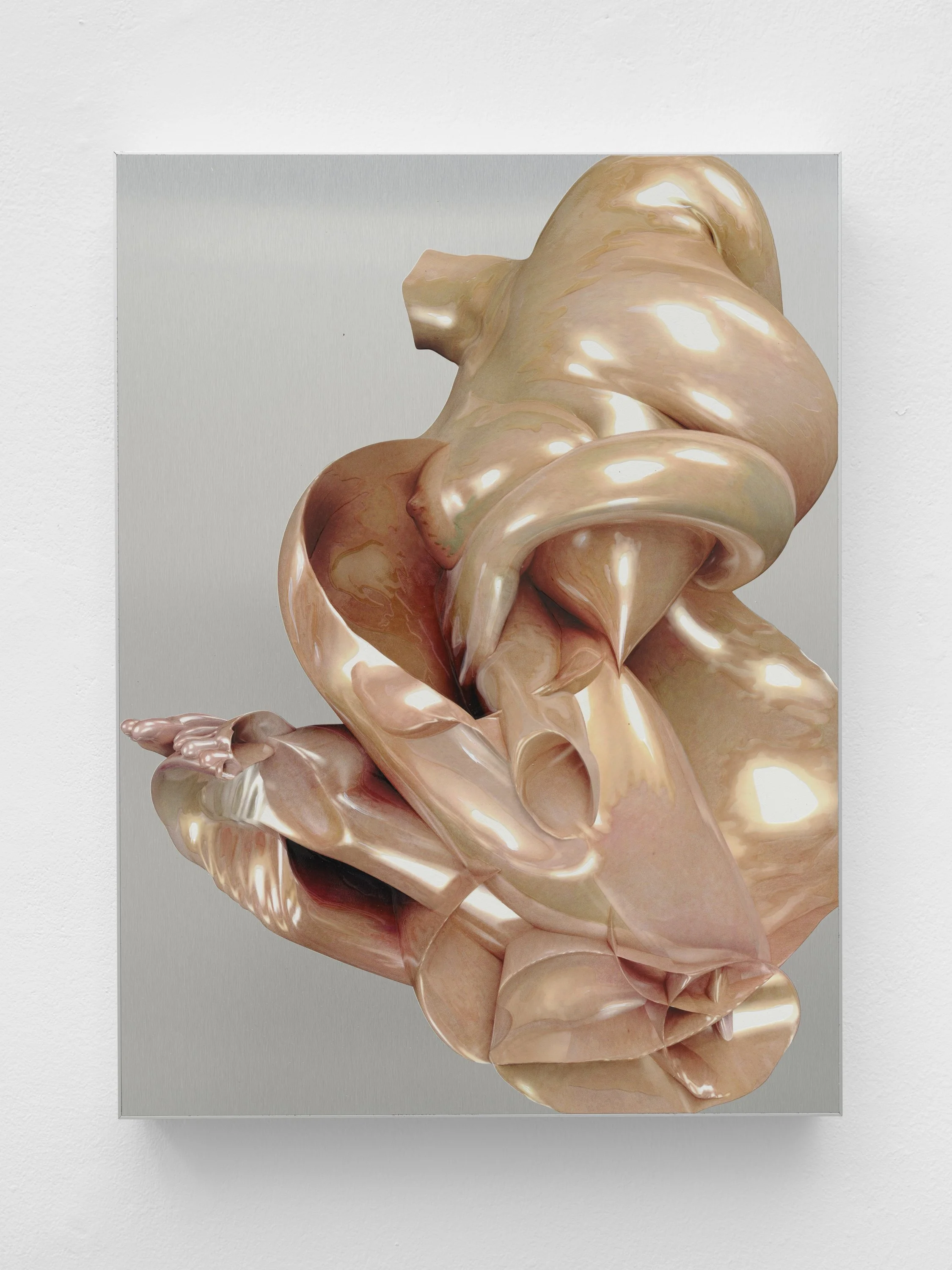
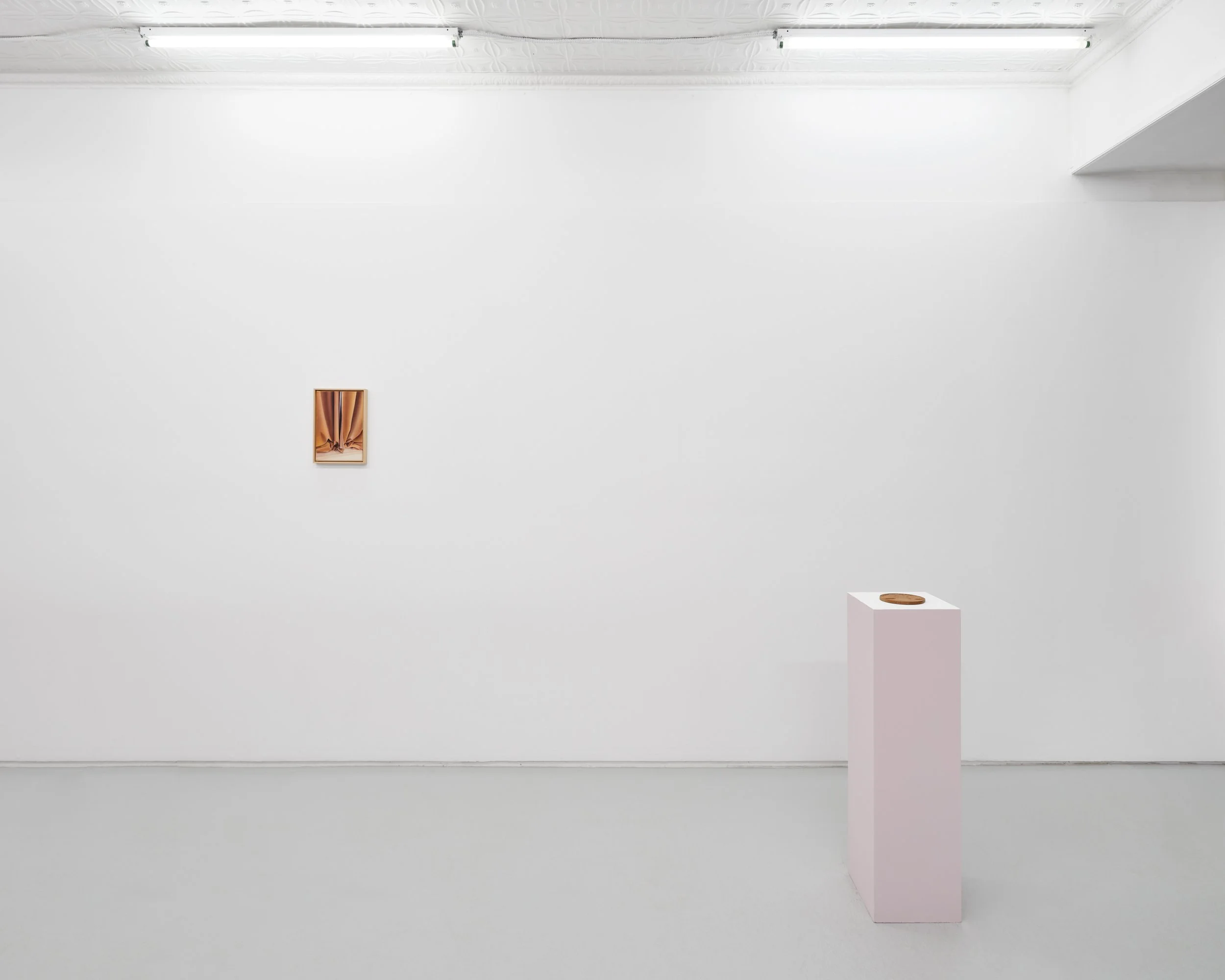
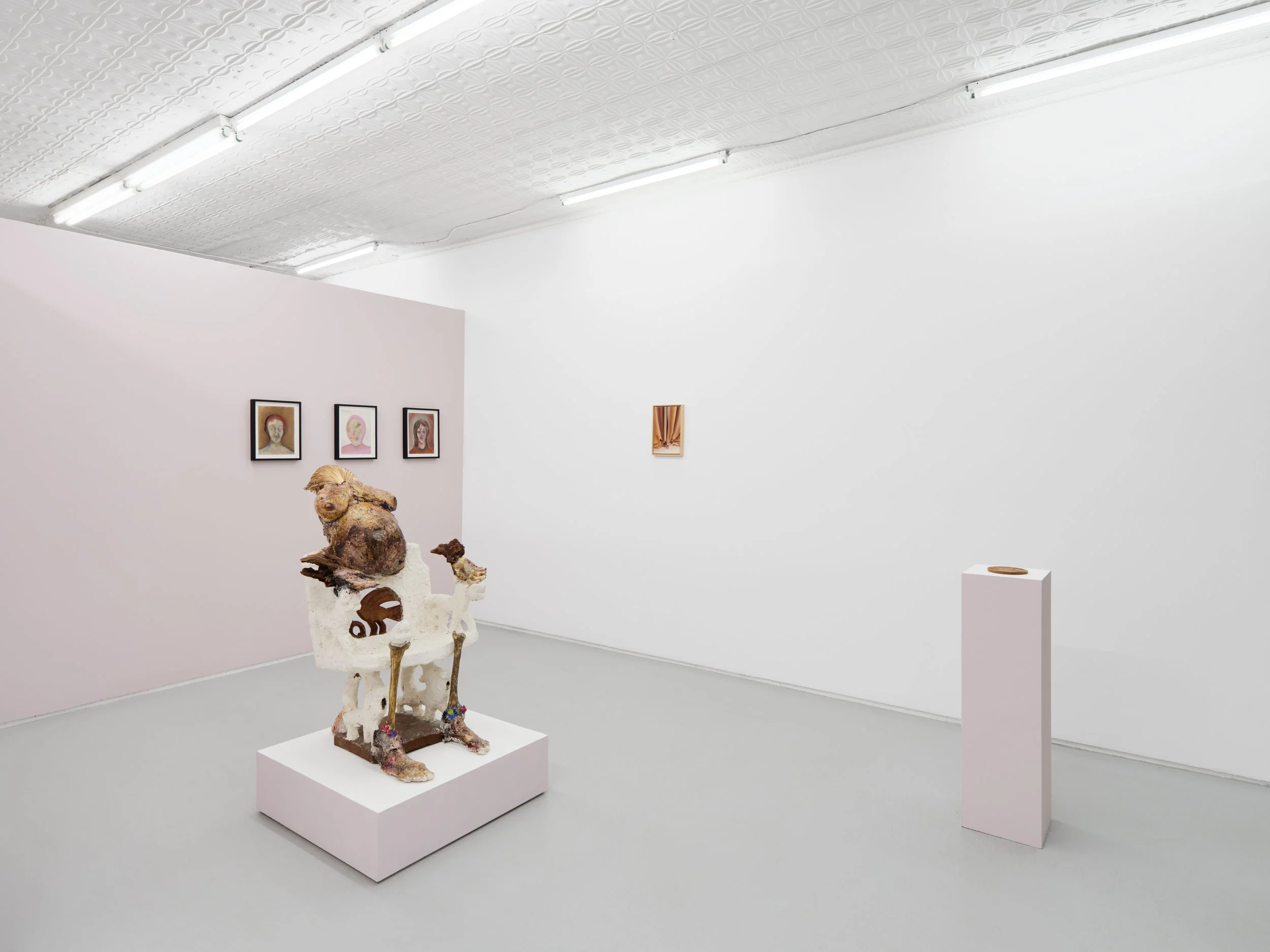
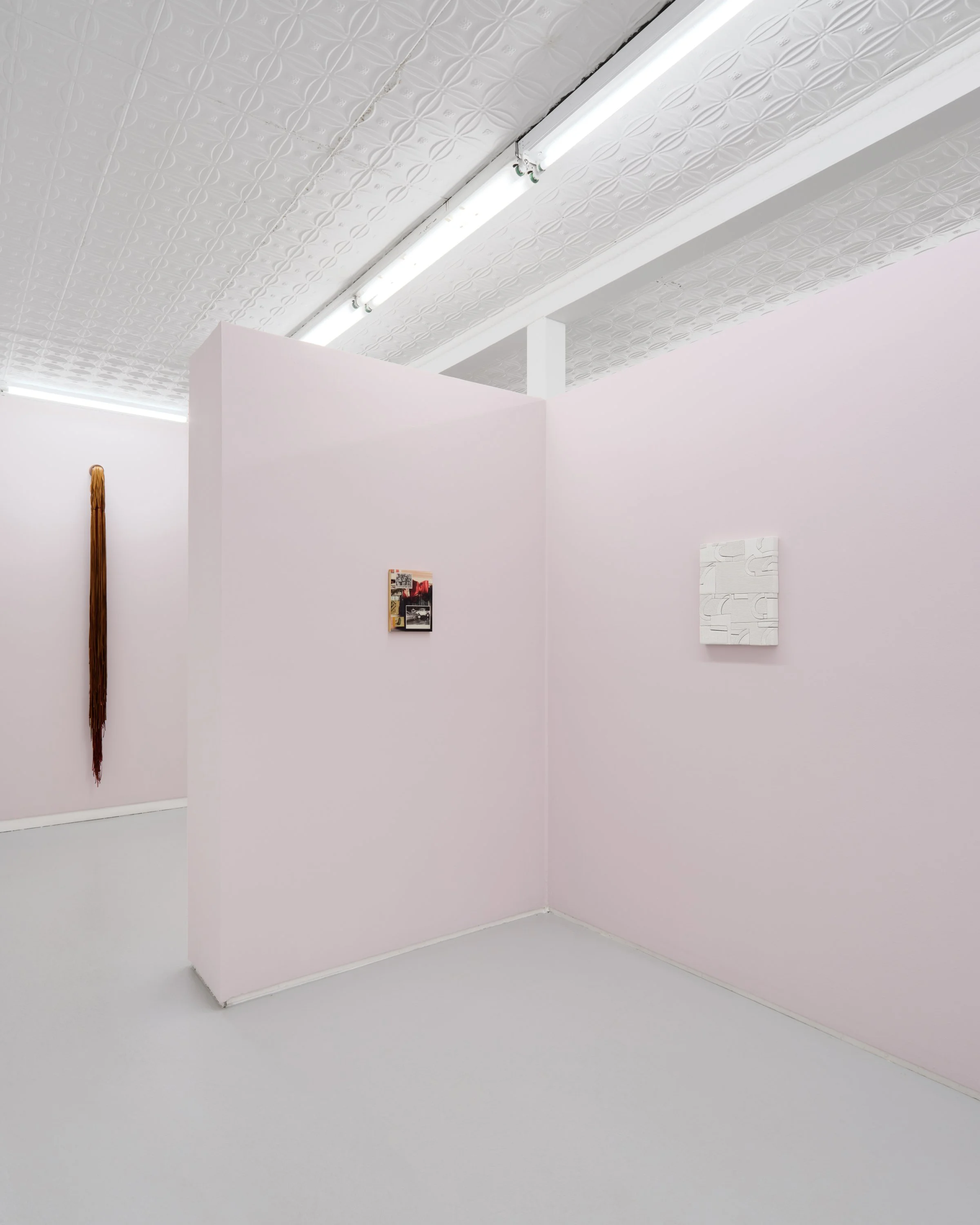
they also bring something uncanny within it to the surface. As both subject and object of these new realities, the human body has become a central concern of post-digital art. Around a century ago, it was photography—the “objective medium”—that Surrealist artists such as Man Ray and Jacques-André Boiffard used to fragment the living body into strange, object-like parts. The female torso, in its digital, biomorphic abstraction, is also the central motif of Salomé Chatriot’s „Void is Seductive“.
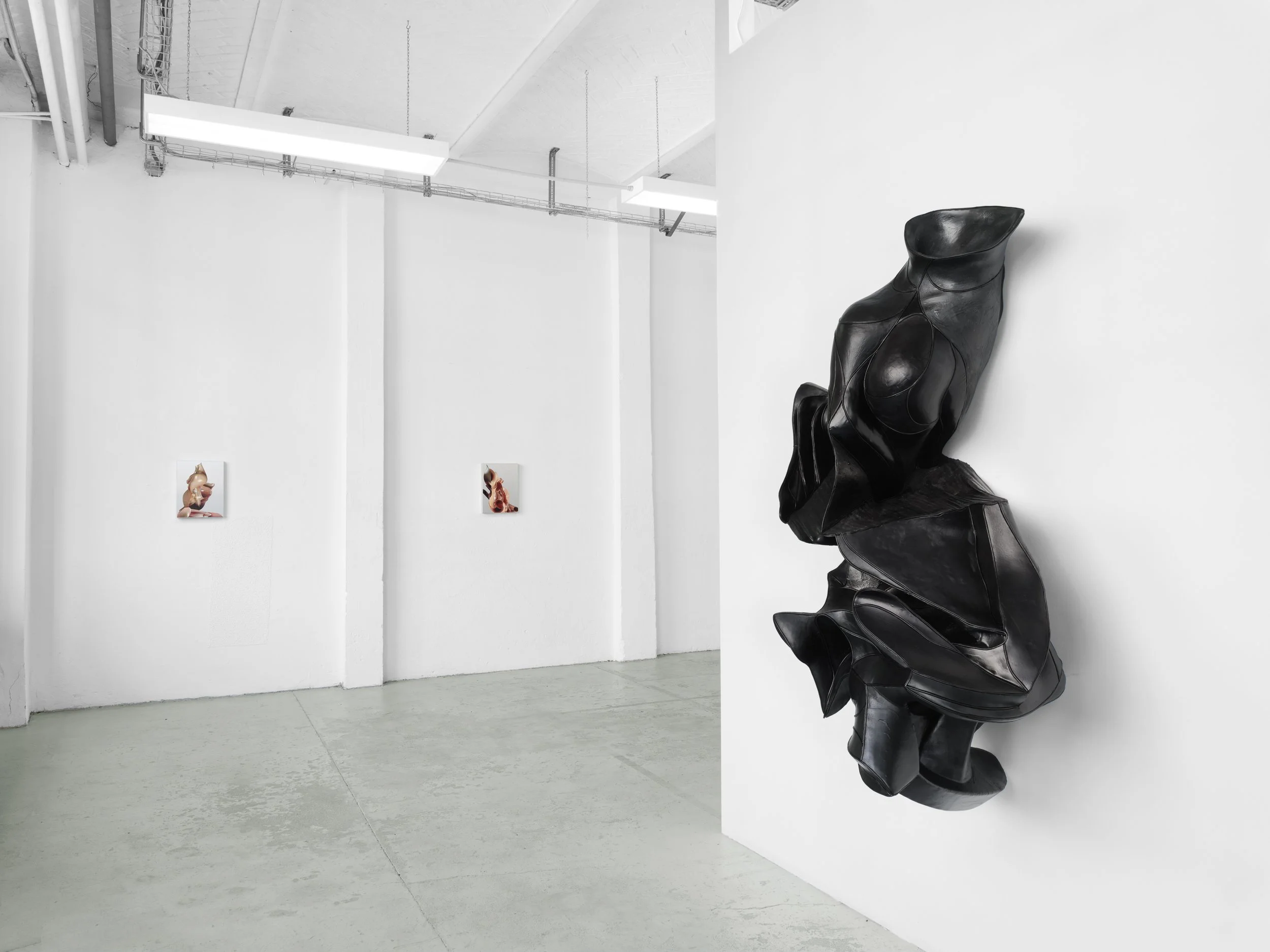
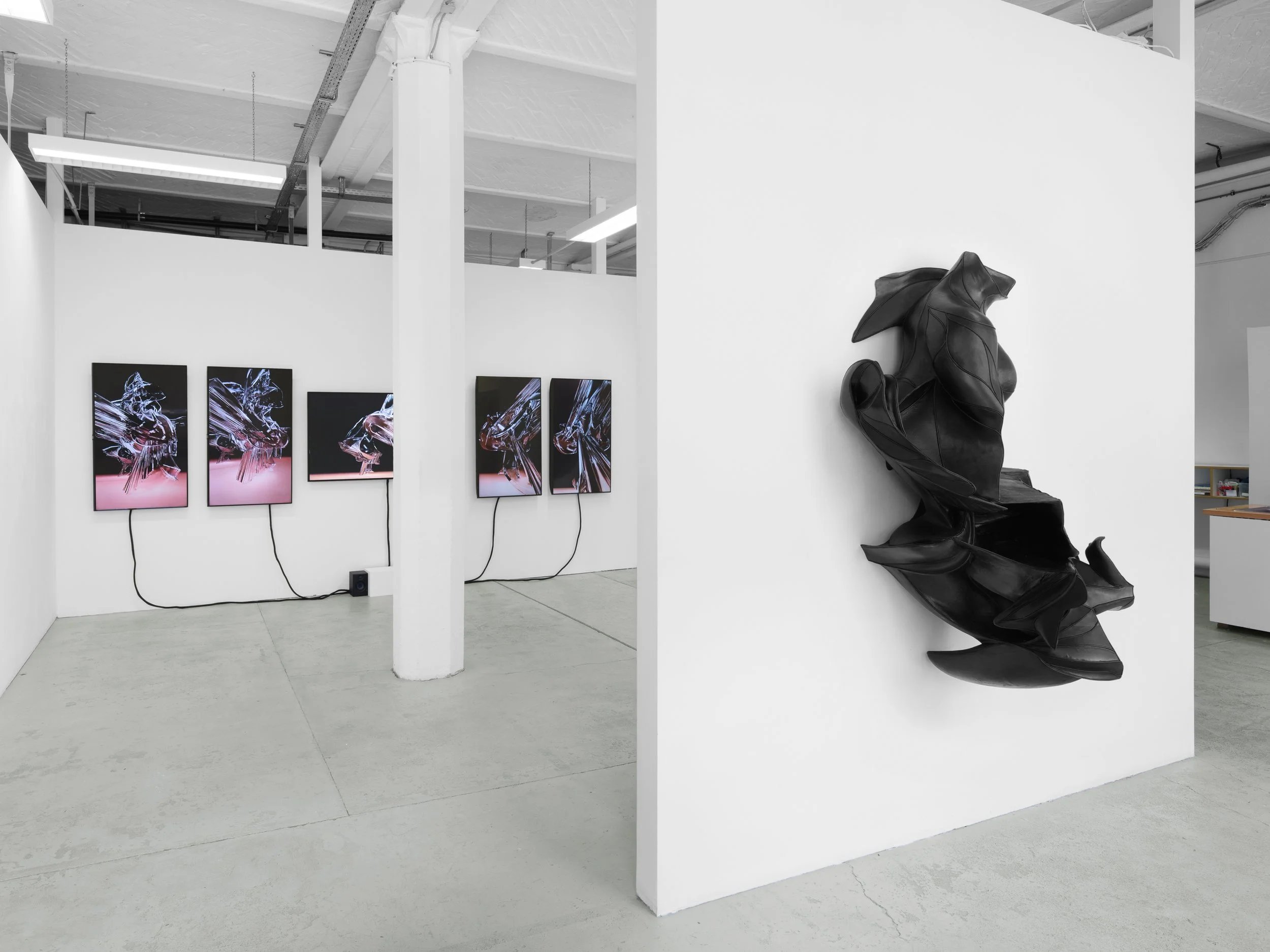
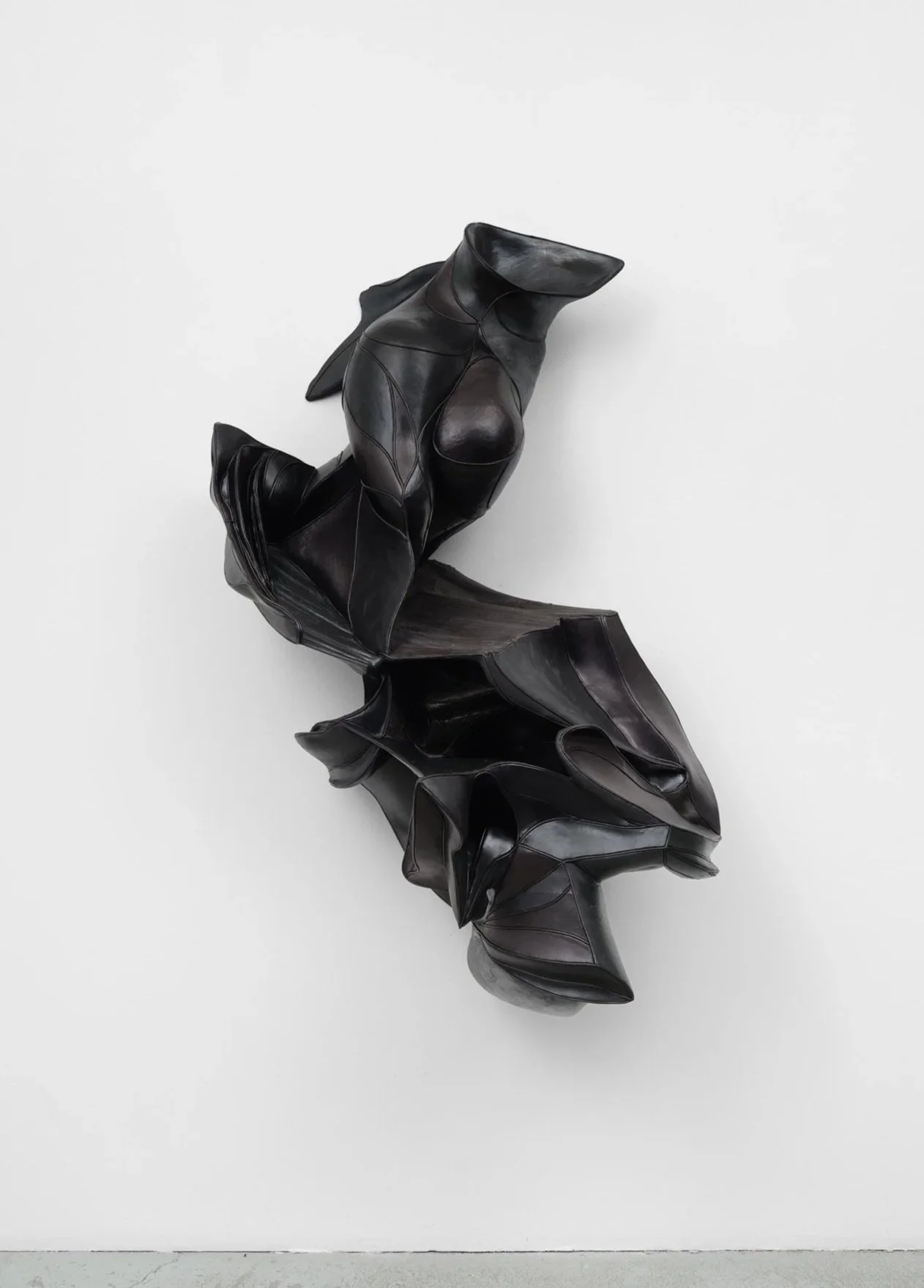
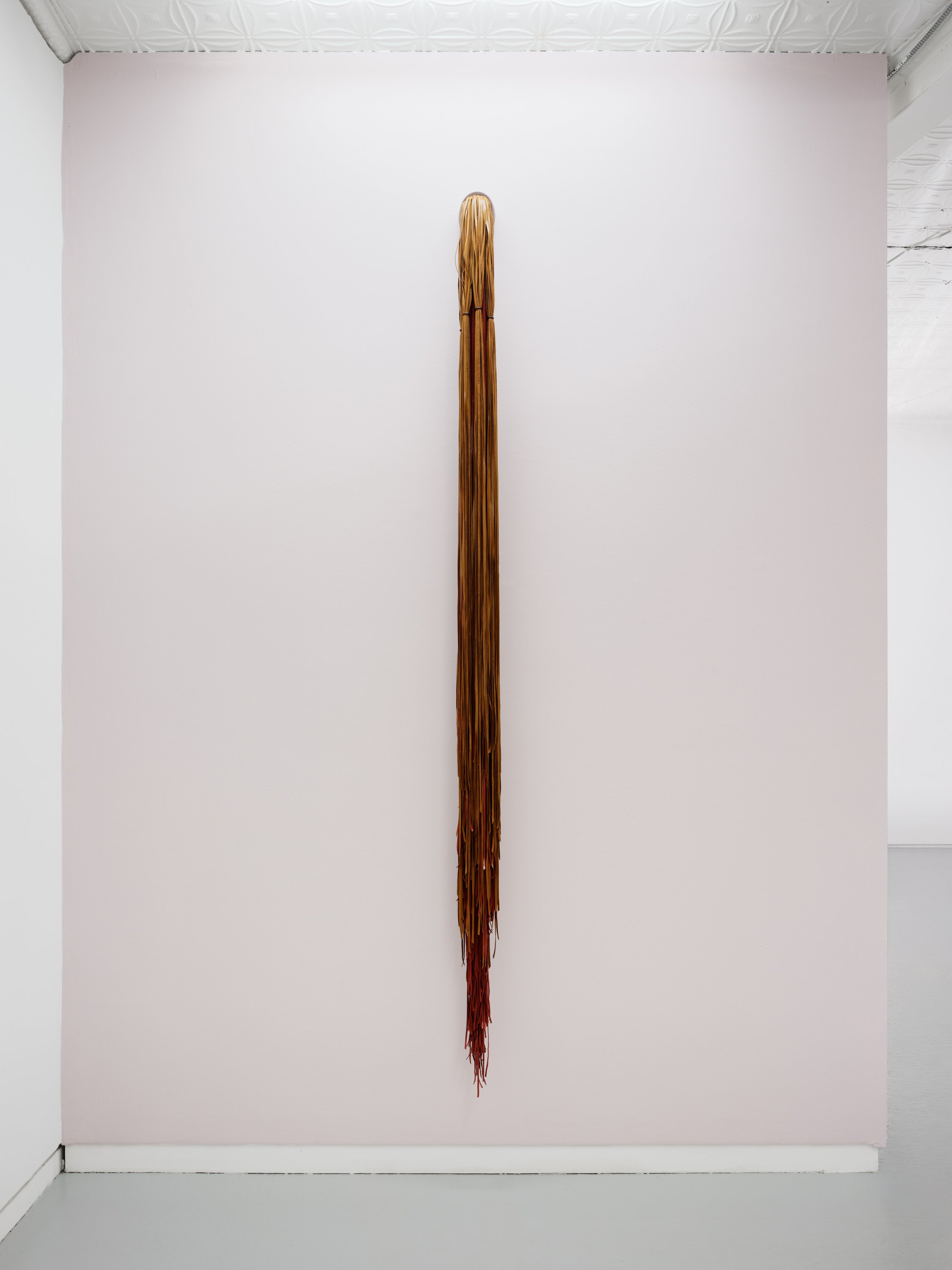
In the sculpture „Void is Seductive No. 2“, the torso appears mounted on the wall like a trophy: larger than life and clad in black leather, defensive and powerful—somewhere between a BDSM bodysuit, a futuristic sculpture and the Winged Victory of Samothrace. Just as the wind billowed through Nike’s drapery like a sail, the streamlined contours of this object seem to yield to invisible external forces. The works in the exhibition originate from volumetric bodies designed by Chatriot on the computer. One particular feature of 3D software is that the physical conditions of the virtual space in which an object exists must always be created alongside the object itself. To manipulate CGI objects, the artist has previously used data from her own breathing, recorded with a spirometer 1. Sometimes the key to understanding a thing lies in the forces that have left their imprint upon it.
The leather object, in turn, is a direct, almost “frozen” incarnation of a figure from the video First Month of Anger. Bringing it into being required a kind of séance. The entity that speaks to us first appears as a pulsating membrane. In Spiritualist séances around 1900, sticky white ectoplasm was believed to be the physical substance in which the souls of the dead became caught and took form. First Month of Anger, by comparison, might be understood as a manifestation within the ectoplasm of 3D modelling. Fluidly shape-shifting-torso, crystal, machine or organ – and shifting between opacity and transparency, the entity presents embodiment as an experience of boundaries. Oscillating, ocean-like, between “I” and “we”, it seems to dream an orgasmic dream of tactile contact and exuberant dissolution. As the artist explains, the being is a body formed according to the principle of a Möbius strip, collapsing the distinction between inside and outside. Human skin, too, creates inner and outer spaces that flow into one another. Considered from the perspective of the skin, the body is a volume folded in upon itself, a complex membrane in which the world resonates. 2
In the medium of painting, Chatriot’s torsos appear with a metallic, pearlescent sheen. The images recall the multiple perspectives of modern painting, but perhaps even more strongly the cross-sectional and 3D ultrasound images produced by digital medical imaging. A flawless body, perfect and moist as if still coated in amniotic fluid, opens like an empty seashell – or like the calyx of a carnivorous plant. “Come in! / Come inside / my countless iterations, ” the voice in the video beckons.
Modernity has repeatedly created monsters to reassure itself of its humanity at moments of technological upheaval. Frankenstein, Godzilla and their ilk were abject externalisations of an otherness newly made perceptible through technology. Salomé Chatriot enters into ecstatic contact with this technologically expanded realm of experience. Like a seashell, the hollow body she creates becomes a resonating chamber in which what is our own echoes back to us as something strange.
by Dr. Katharina Weinstock
*1 A spirometer is a medical diagnostic device used to measure lung function, including the volume of air the lungs can inhale and exhale, as well as airflow rates.
*2 This idea was developed by Gilles Deleuze as a universal principle and a theory of perception in The Fold: Leibniz and the Baroque.
Images courtesy of the respective galleries, artists, and, where applicable, photographers. All rights remain with the copyright holders.
Photography: Marjorie Brunet Plaza
DECENNIUM: Ten Years at Mrs.
@Mrs. New York.
Spotlight: September 24th, 2026
Sachiko Akiyama / Elizabeth Atterbury / Alexandra Barth / Sarah Bedford / Genesis Belanger / Oona Brangam-Snell / Chris Bogia / Molly Bounds / Meghan Brady / Susan Classen Sullivan / Leah DeVun / Omari Douglin / Mark Mulroney / Rose Nestler / Sarah Palmer / Nickola Pottinger / Nevena Prijić / Lily Ramírez / Carolyn Salas / MC Sparks / Montgomery Perry Smith / Hana Ward / Robert Zehnder @Mrs. Gallery, New York. 08.09.26 – 31.10.26
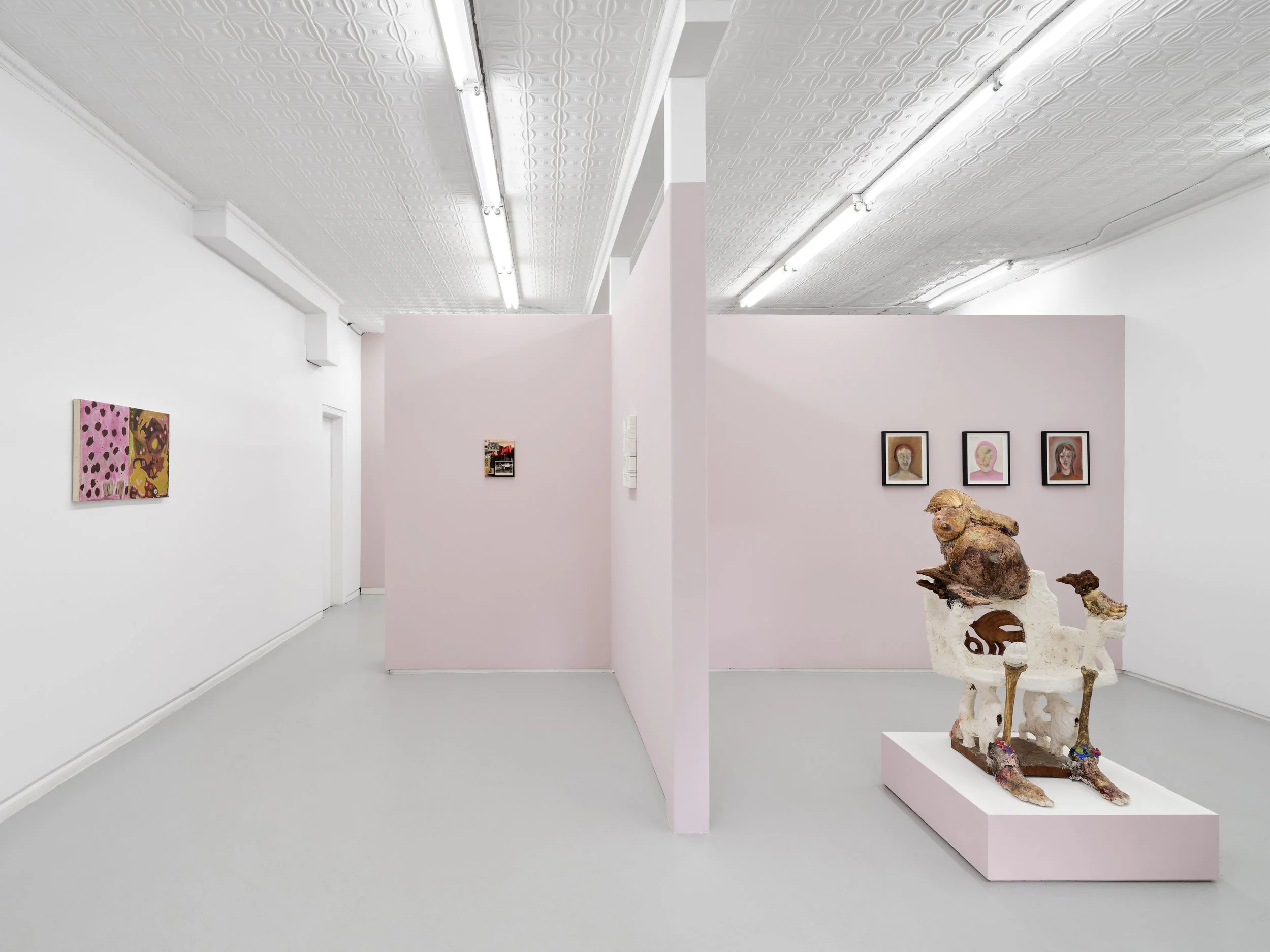
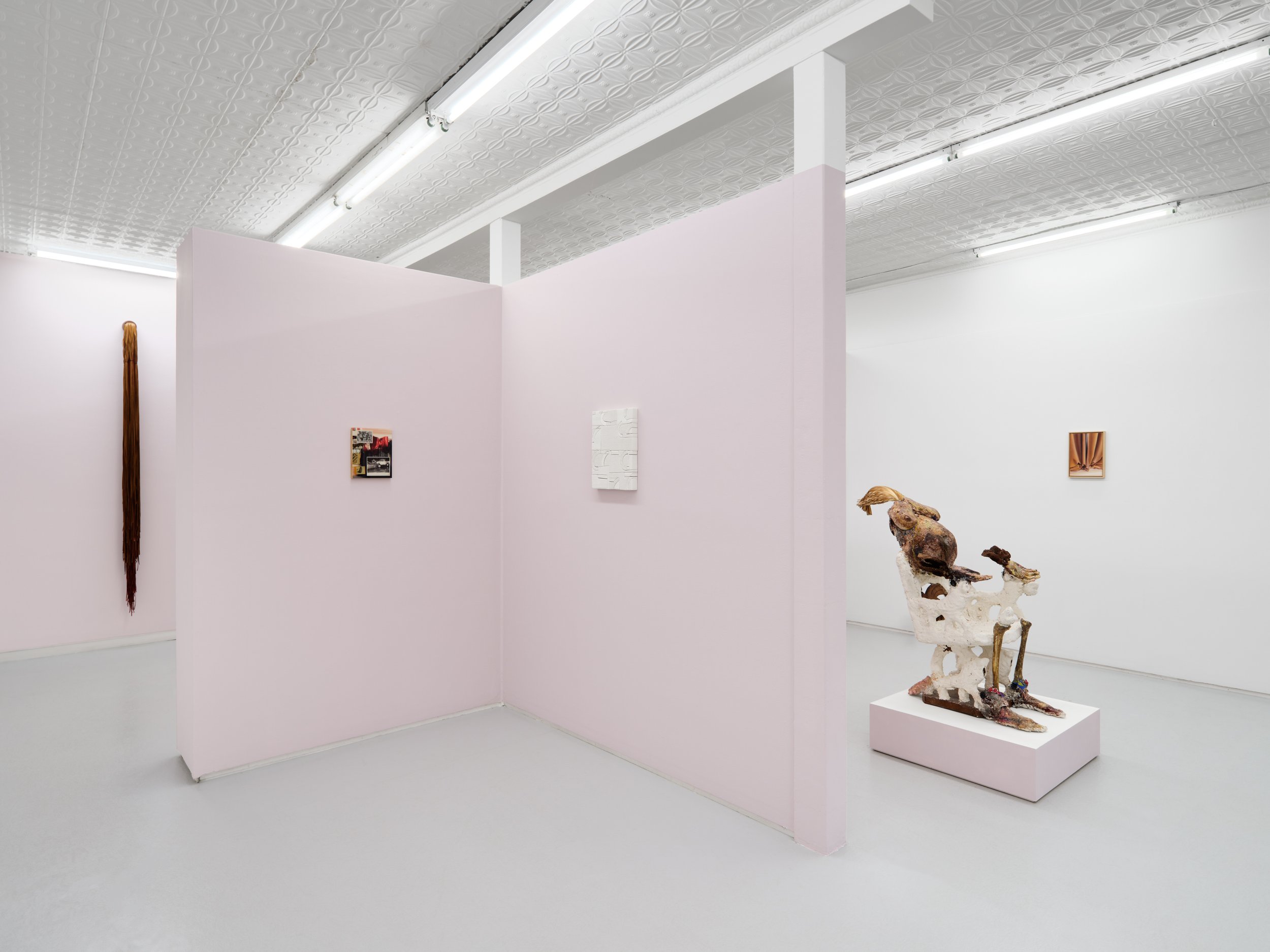
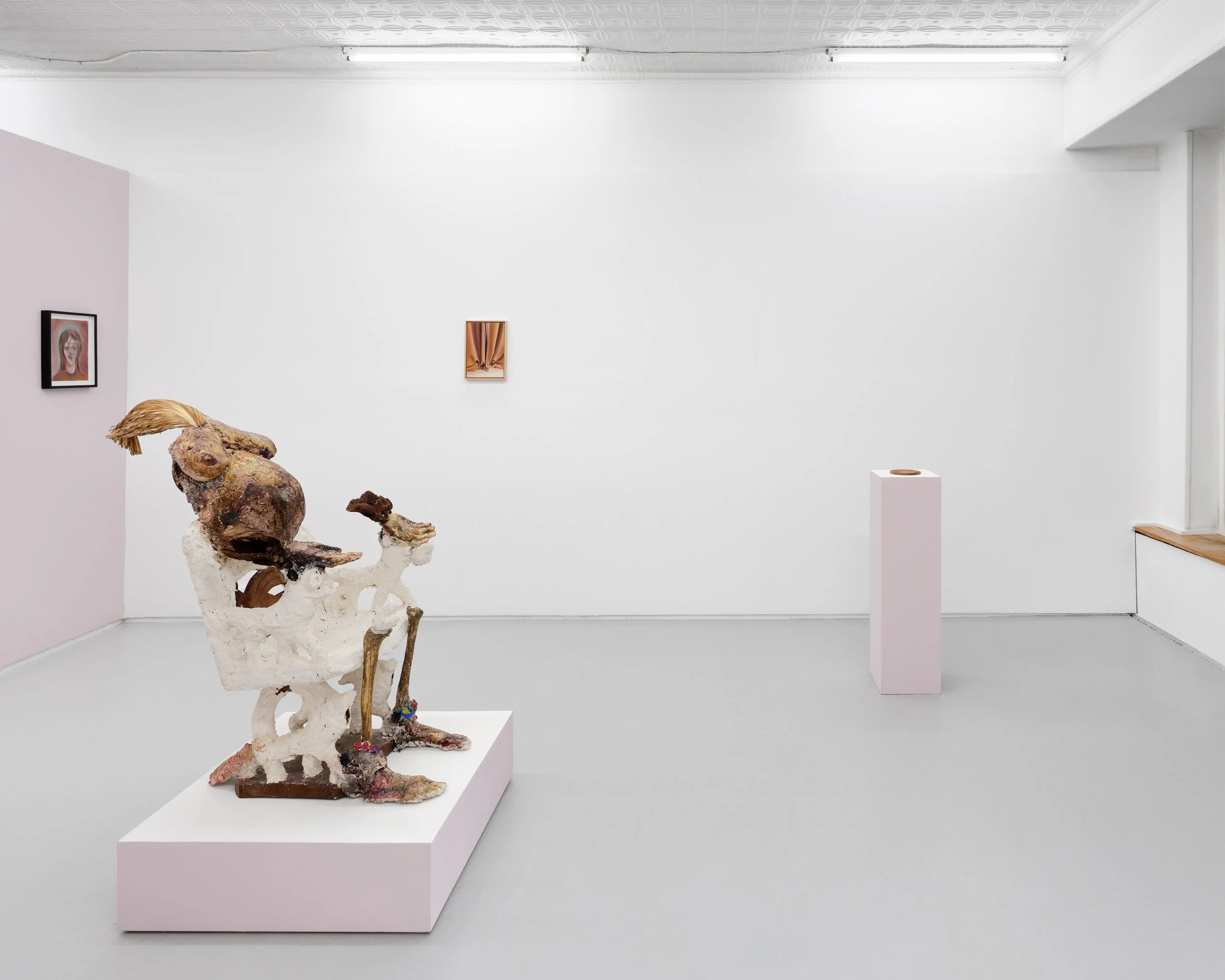
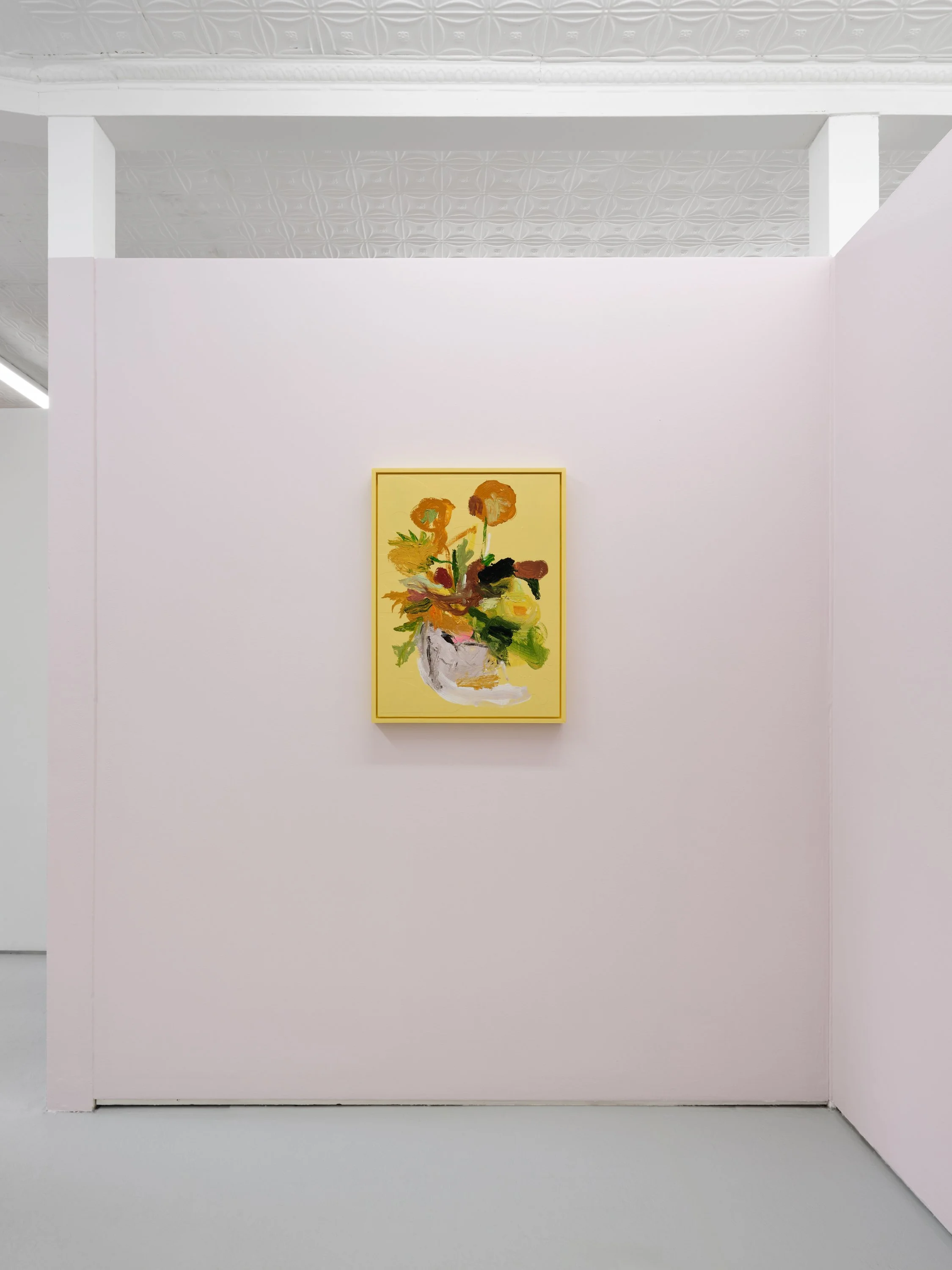
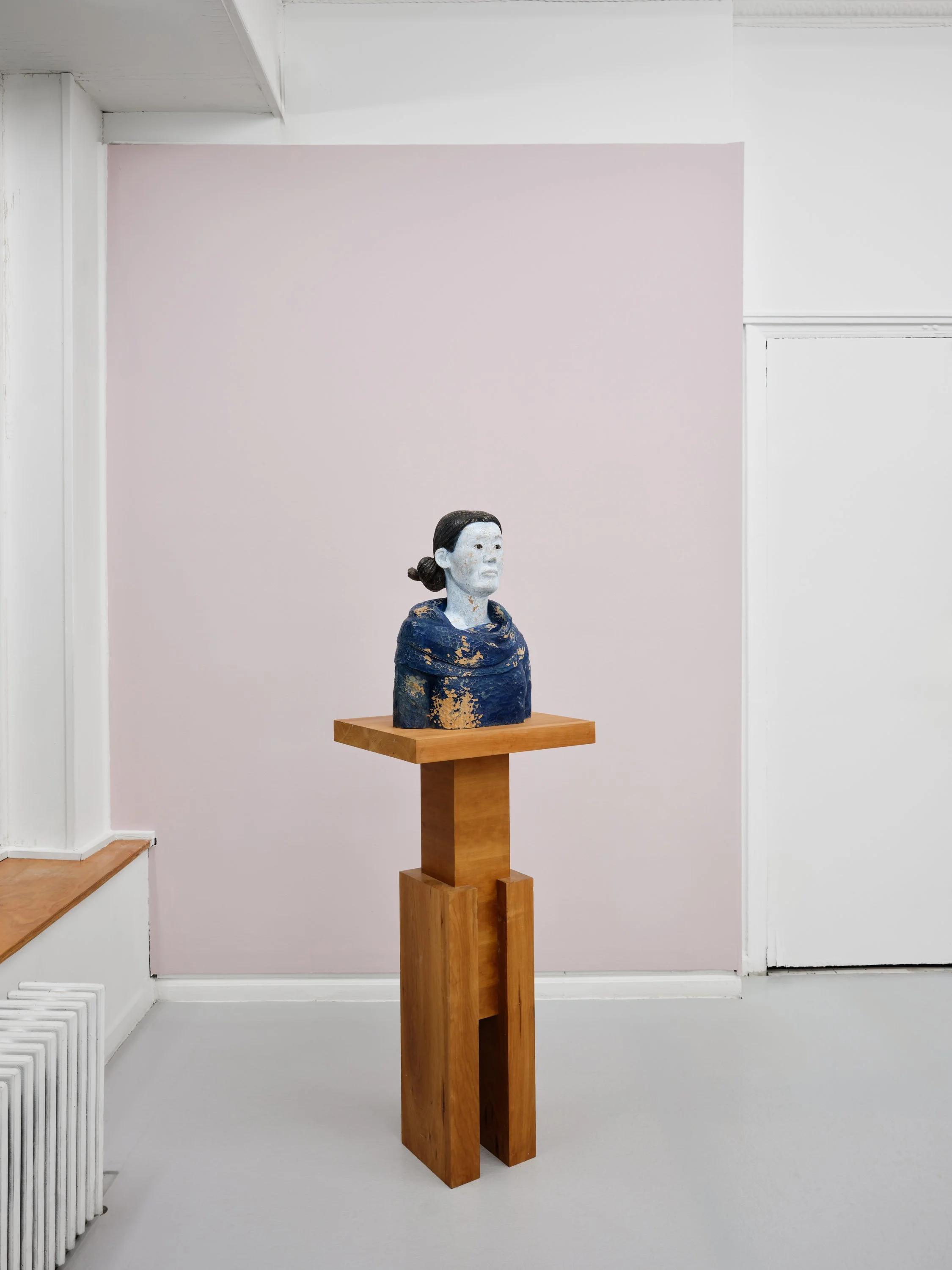
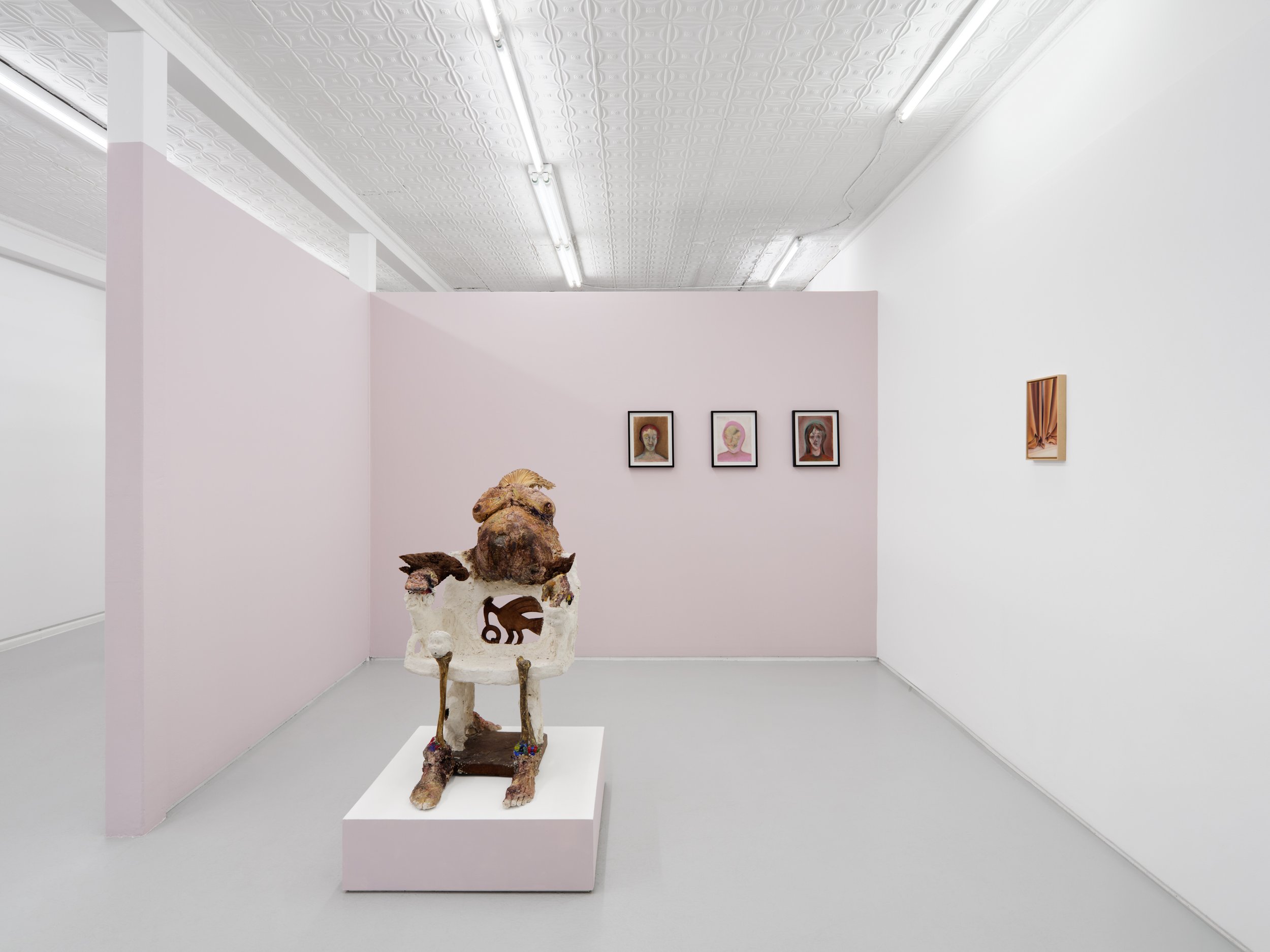
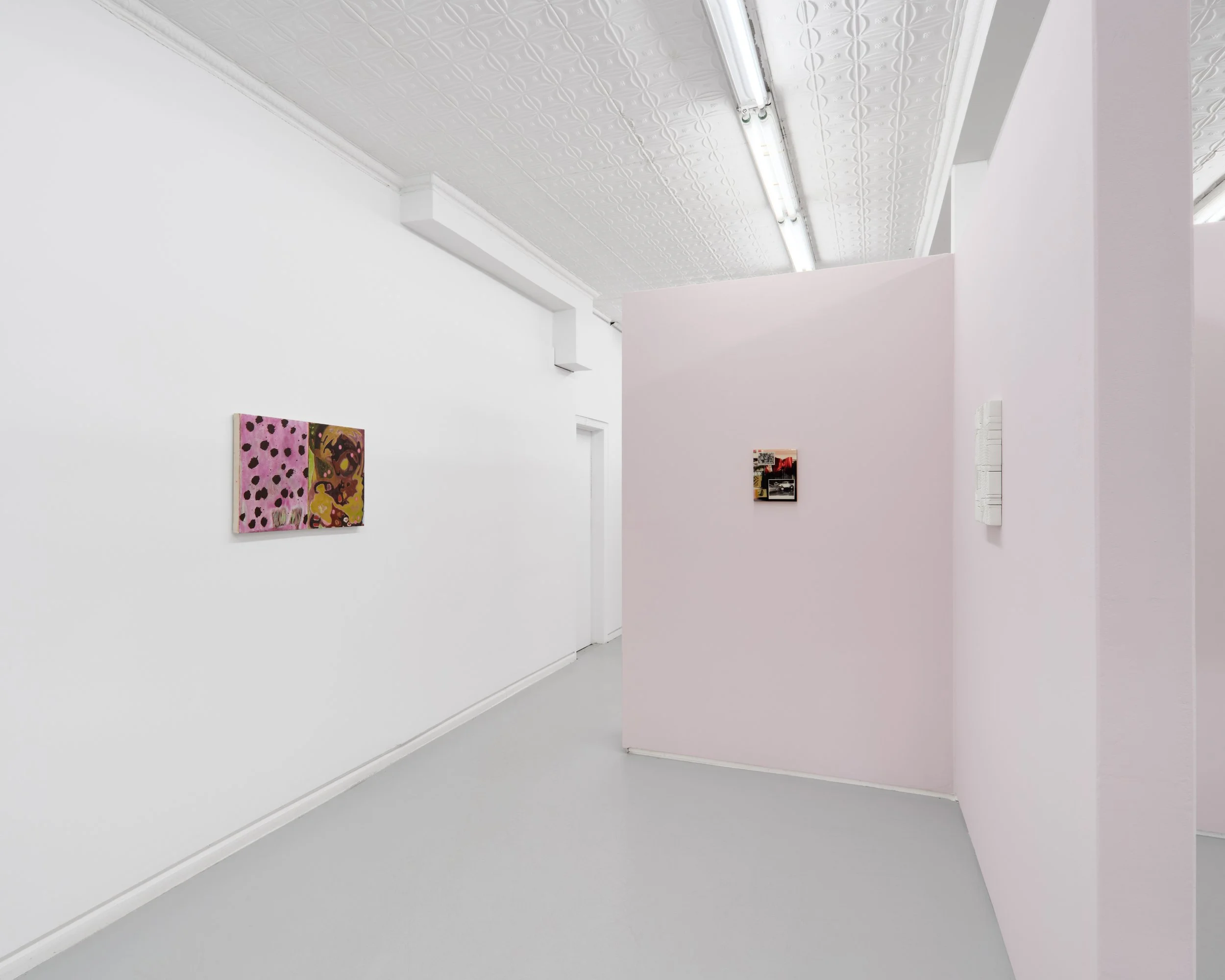
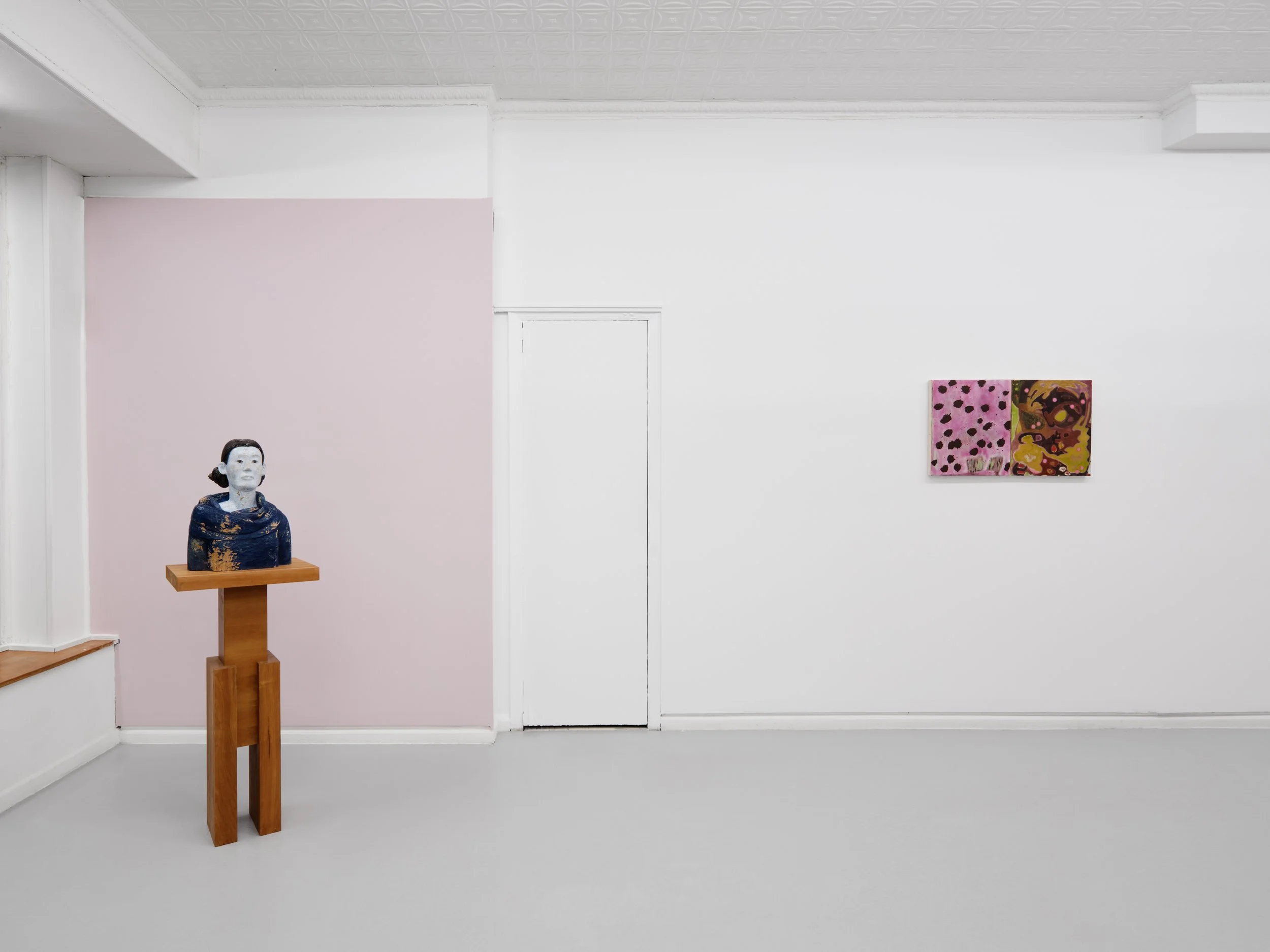
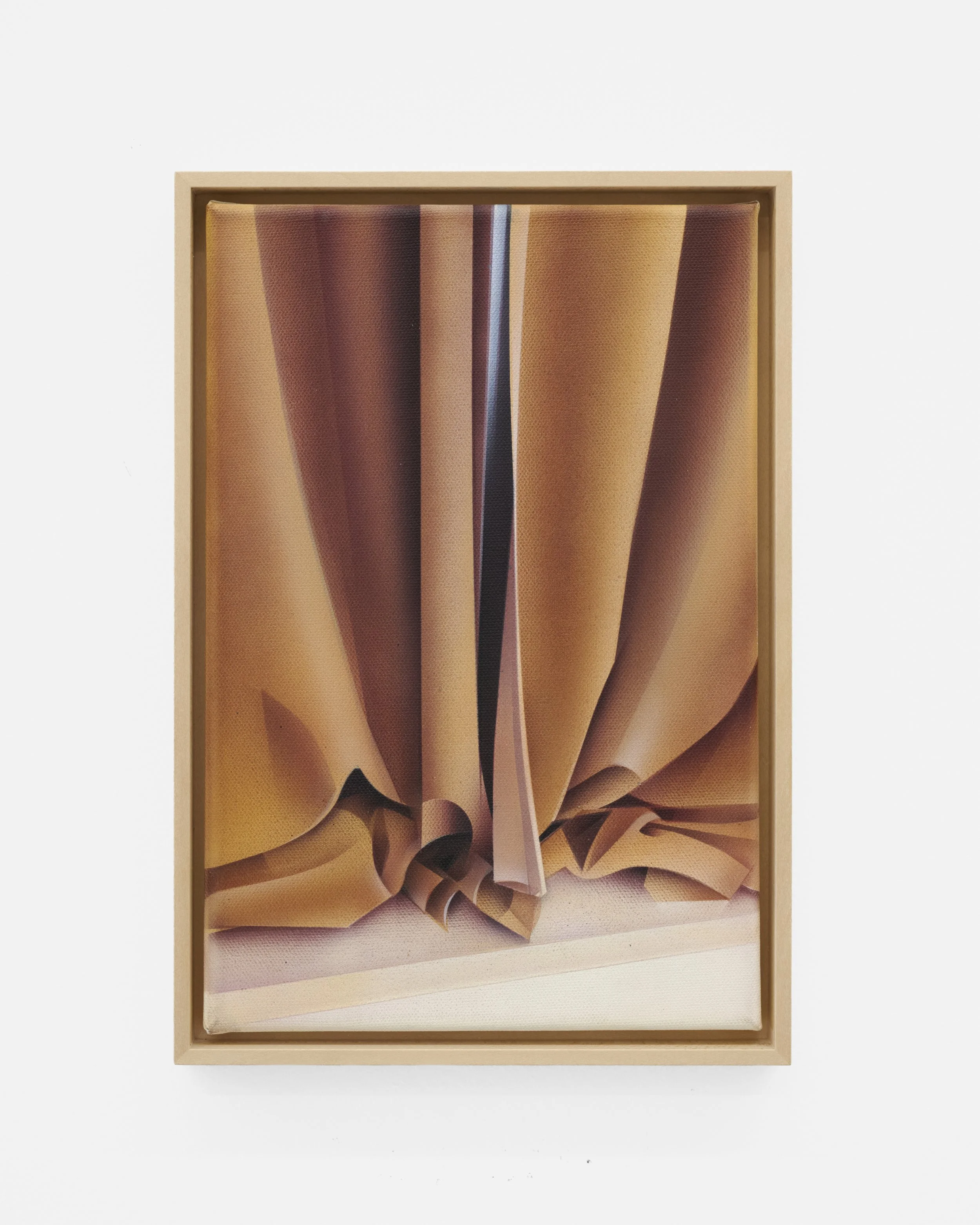
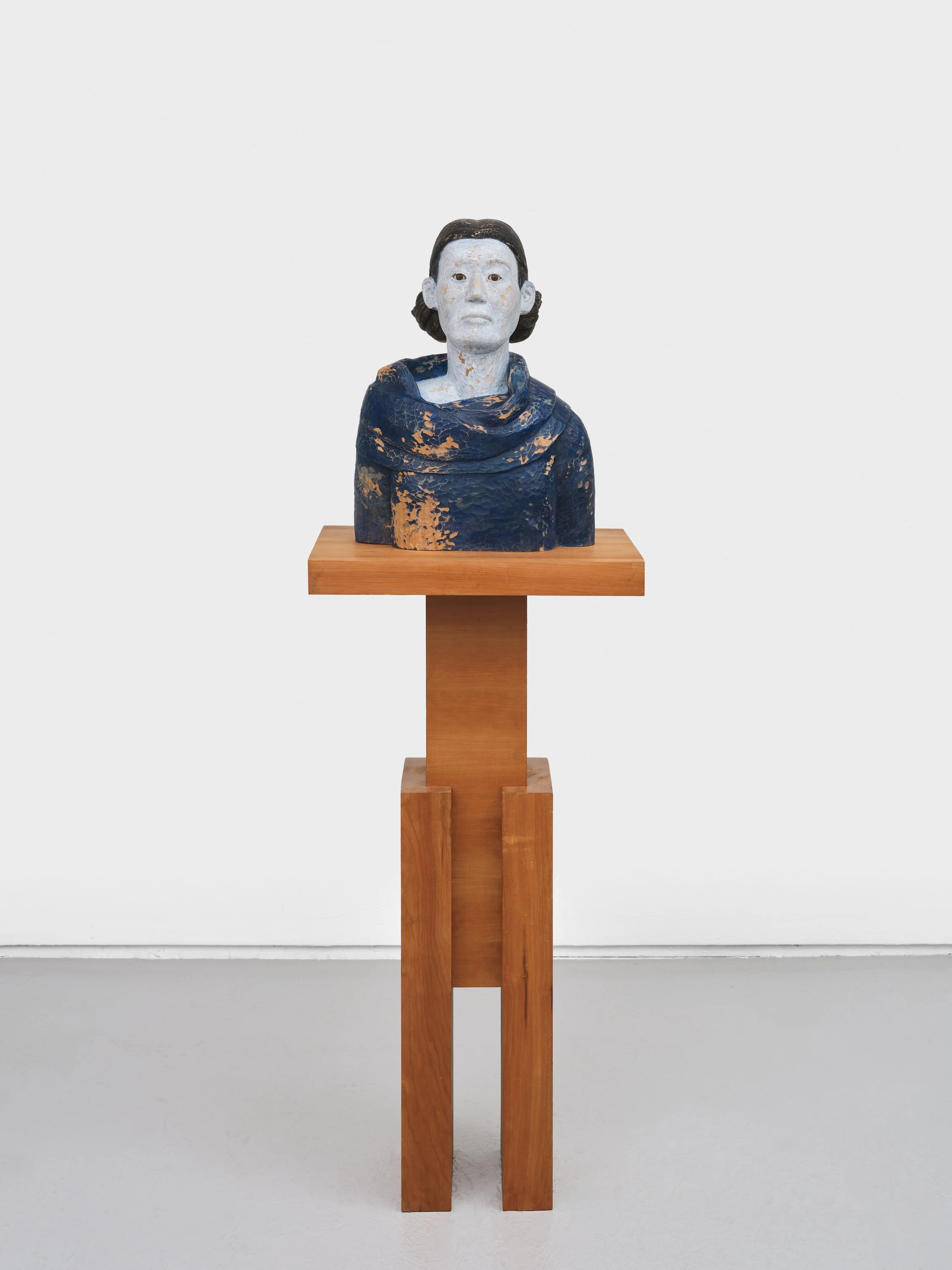
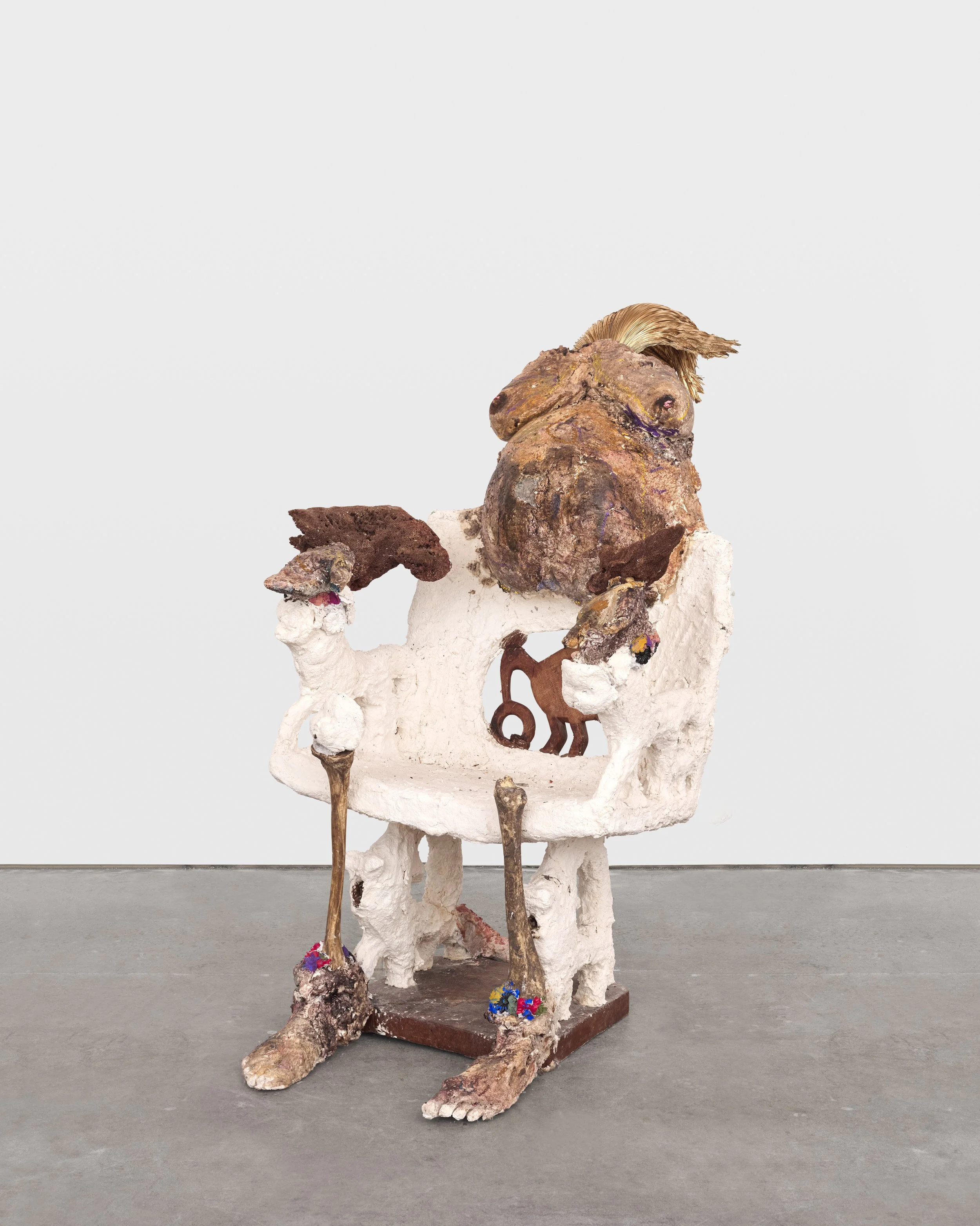
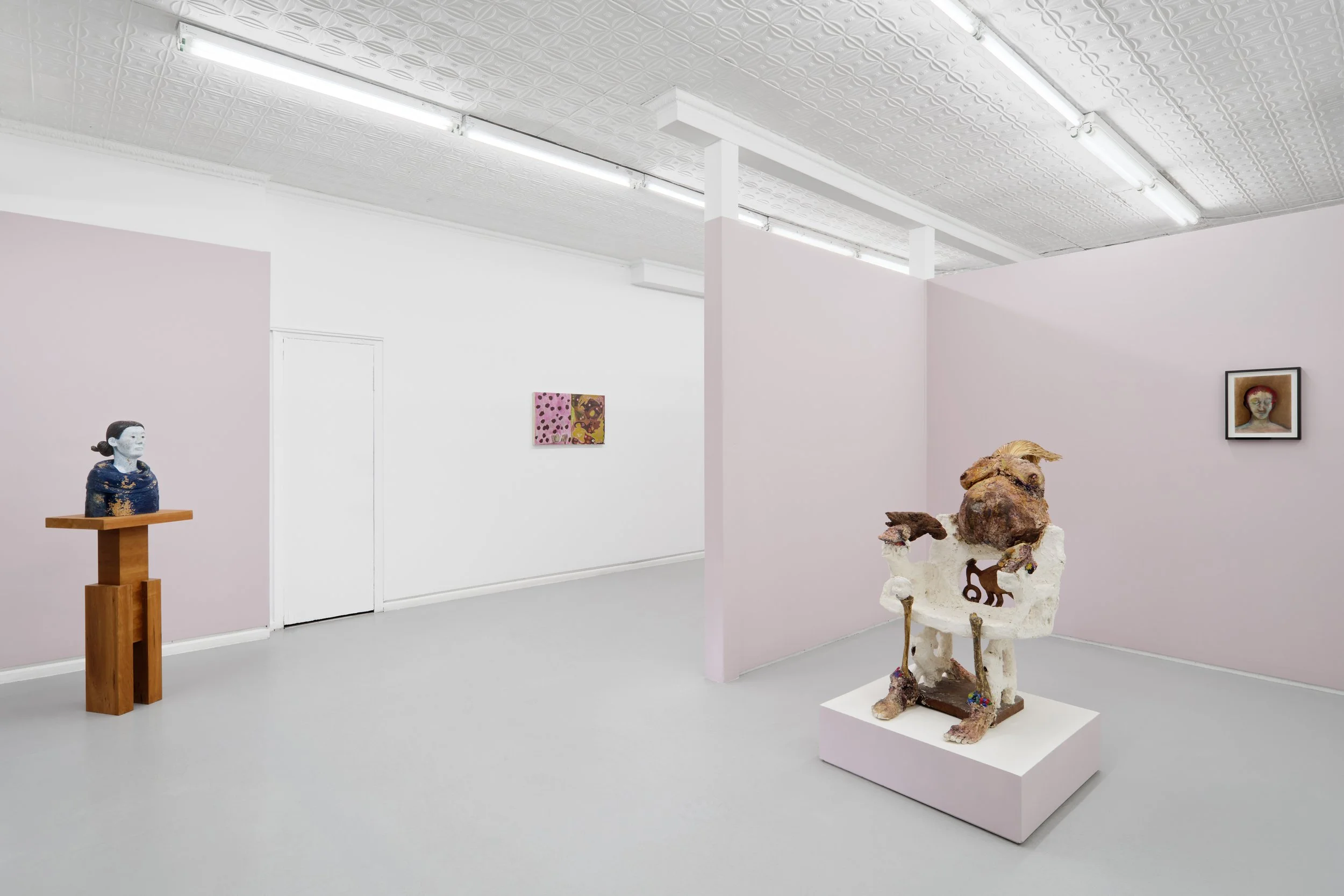
Mrs. is proud to present Decennium: Ten Years at Mrs.
An evolving exhibition celebrating the gallery’s tenth anniversary. Opening September 8 with a reception on September 12, the exhibition brings together artists central to the gallery’s history alongside those shaping its future.
Founded in September 2016 in Maspeth, Queens, Mrs. is a contemporary art gallery committed to exploring what a gallery can be—and where it can thrive. Situated outside the traditional geographic centers of the New York art world, Mrs. has remained a dedicated alternative exhibition space, operating as both a destination and a platform for discovery. From its home in Maspeth, the gallery has championed emerging, under-represented, and mid-career artists, engaging the local community while creating space for practices that might otherwise lack visibility.
While Maspeth’s potential as an arts community was historically untapped, Mrs. has embraced its distance from Manhattan as an opportunity rather than a limitation. This location has defined the gallery’s identity, fostering a spirit of exploration that continues to draw artists, collectors, and visitors to the neighborhood. Over the past decade, the gallery has progressed through its exhibitions, collaborations, and deep relationships developed along the way.
Rather than a static group show, Decennium will unfold dynamically. Works will shift in and out of the gallery weekly, fostering new conversations between artists and the space. This continually reconfiguring installation reflects the gallery’s own development: a decade defined by experimentation, material exploration, and an ongoing dialogue with its artists.
No single installation represents the entirety of Mrs.’s history. Instead, the exhibition offers a series of snapshots; moments of connection between artists who have shaped the gallery at various points in its evolution. Returning visitors will encounter fresh juxtapositions and evolving relationships throughout the run.
The gallery’s history is inseparable from the people who made it possible. Decennium is both a reflection and a path forward—a celebration of where Mrs. has been and an invitation to all that remains to be discovered.
Images courtesy of the respective artists, galleries, and, where applicable, photographers. All rights remain with the copyright holders.
Photography: Olympia Shannon and Jacob Holler
Acacia Bloom
Nika Kutateladze @Galerie Molitor, Berlin.
Spotlight: September 22th, 2026
Nika Kutateladze @Galerie Molitor, Berlin. 11.09.26 – 07.11.26
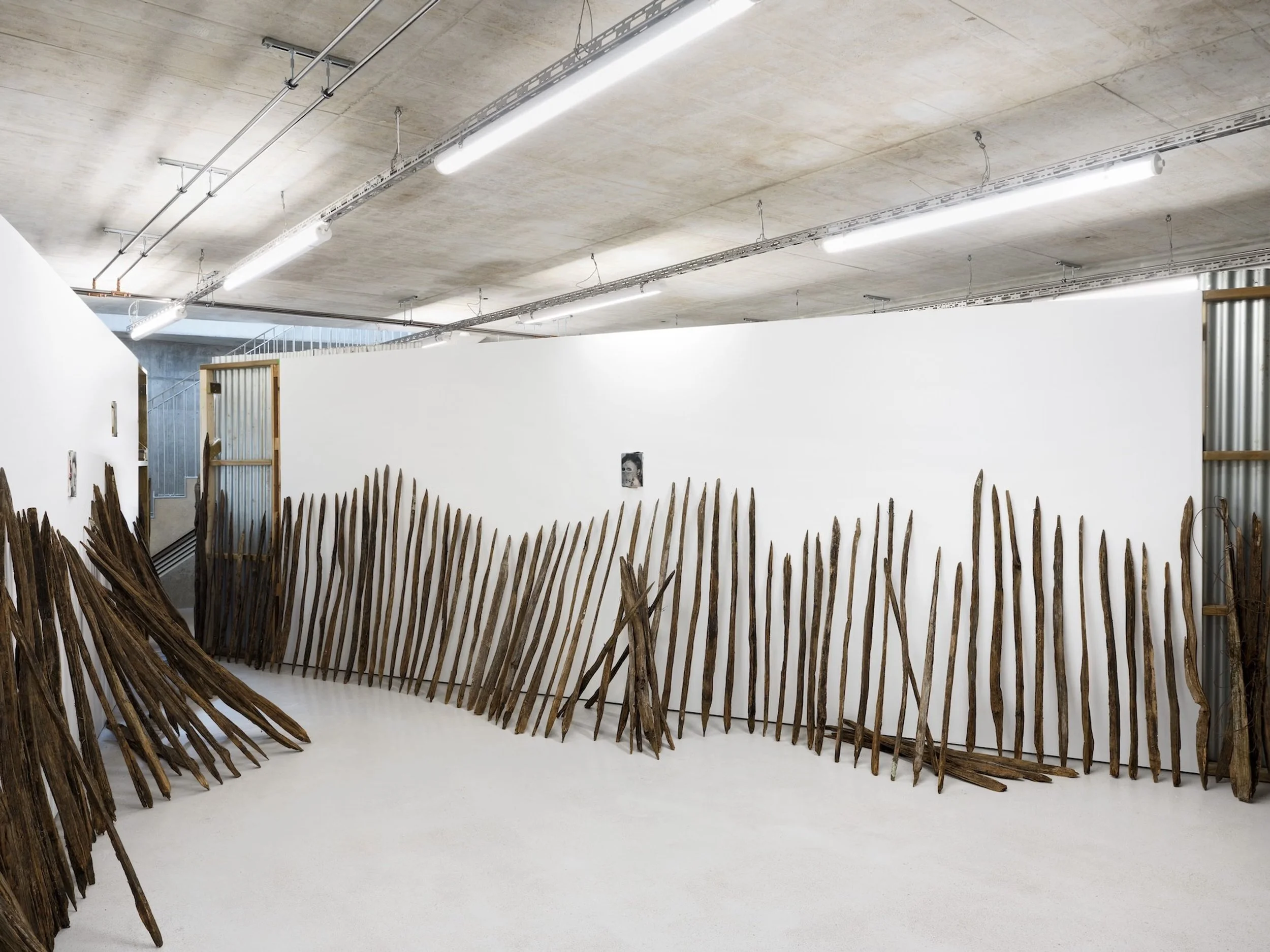
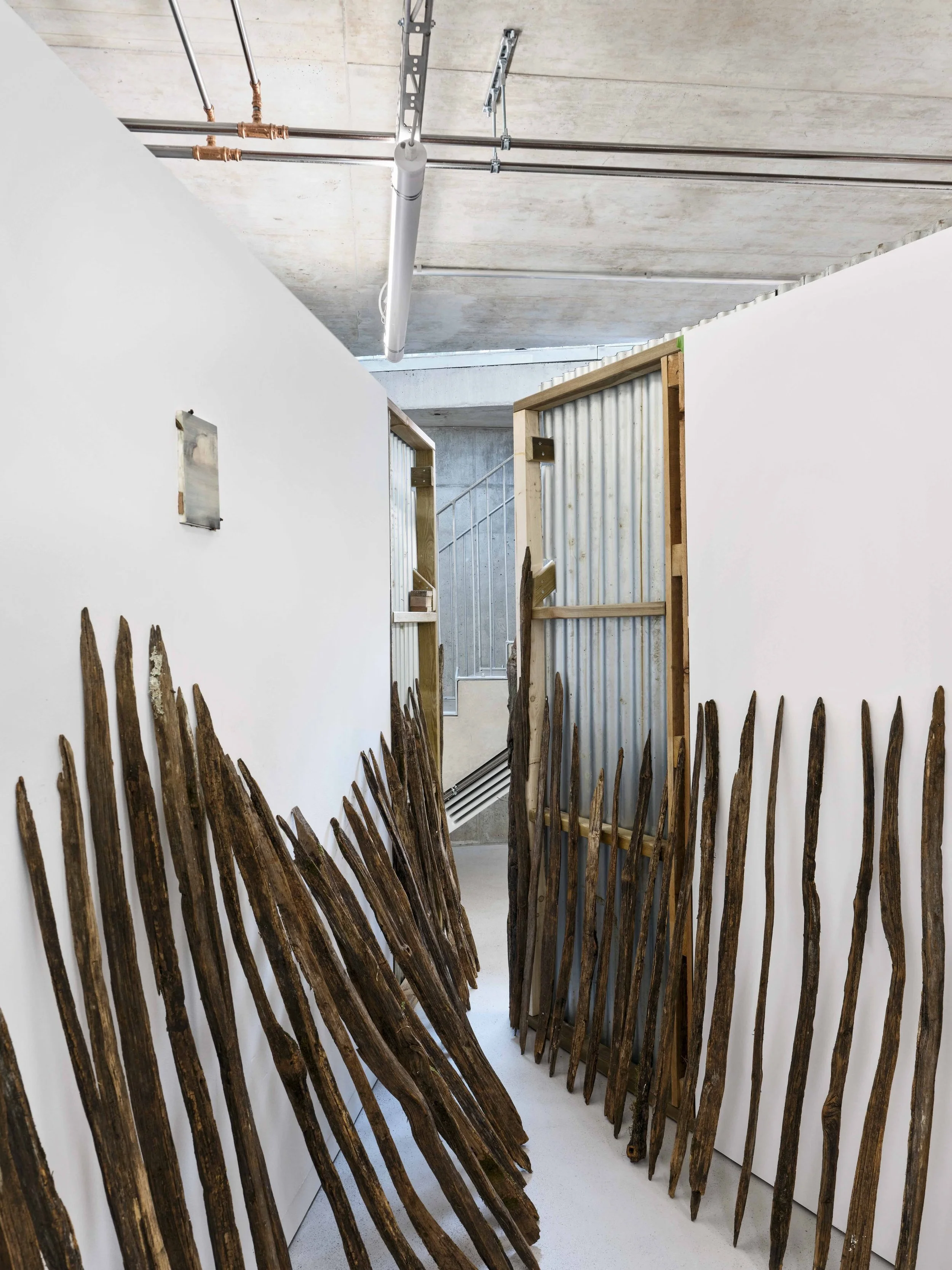
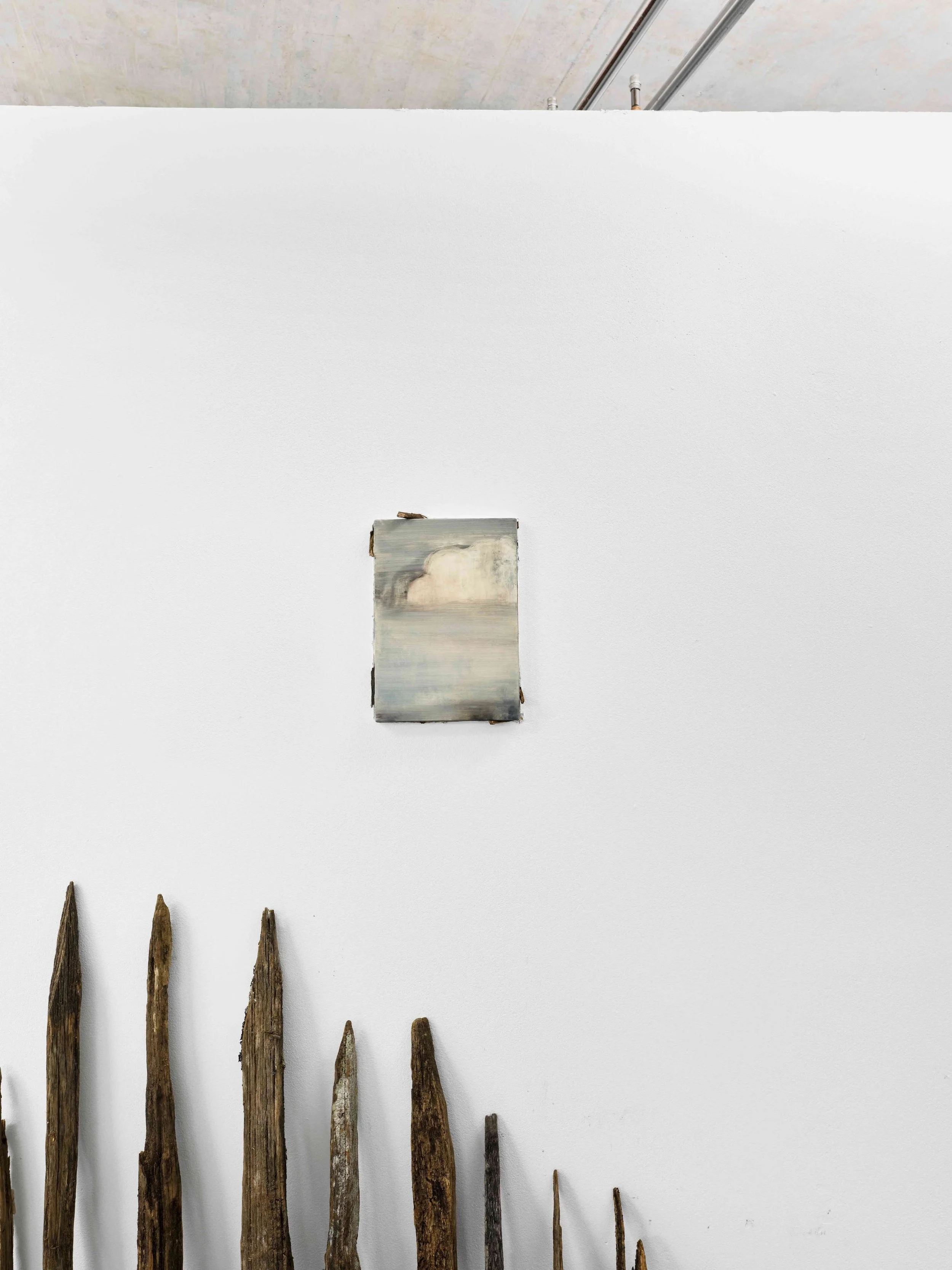
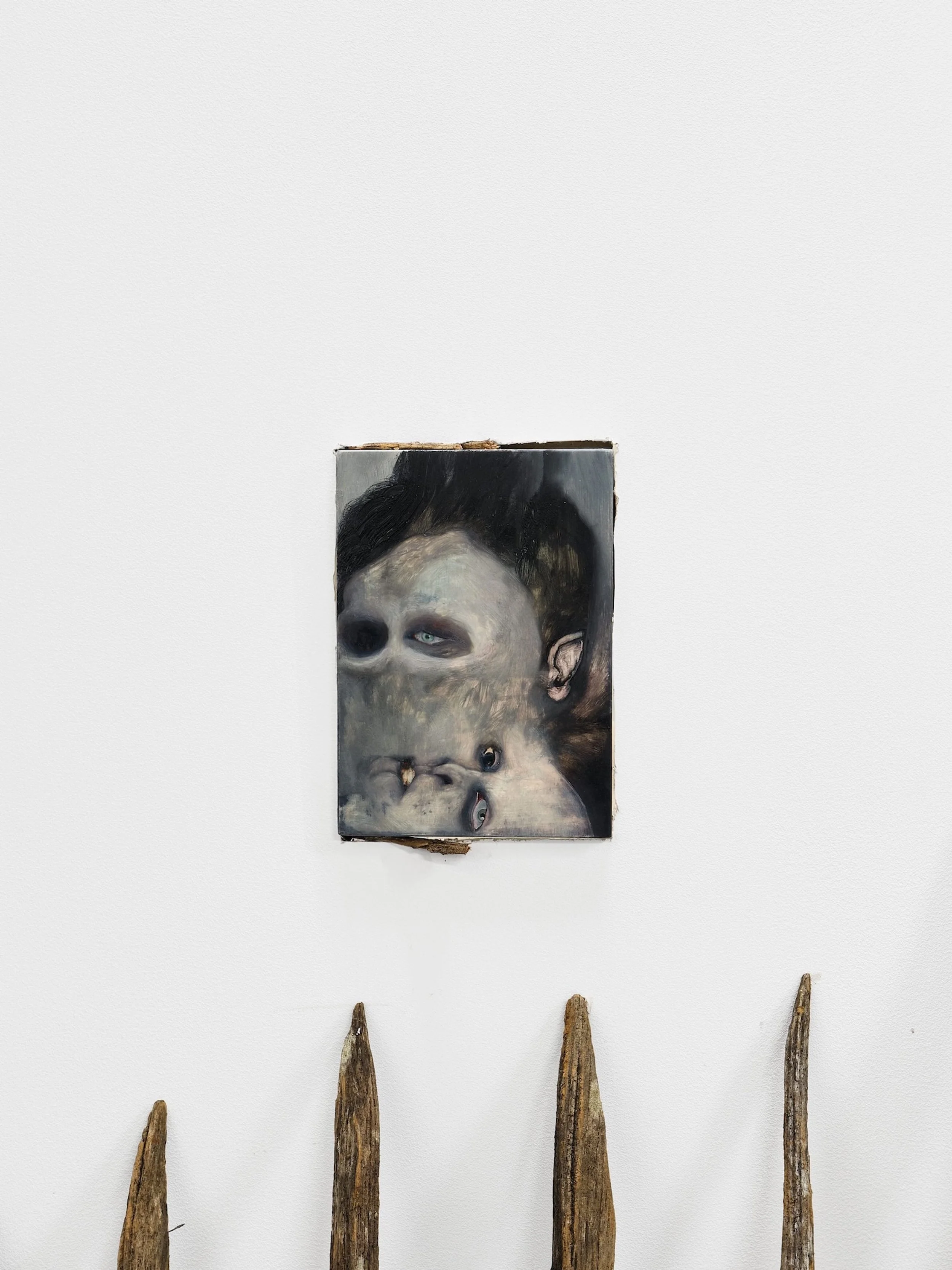
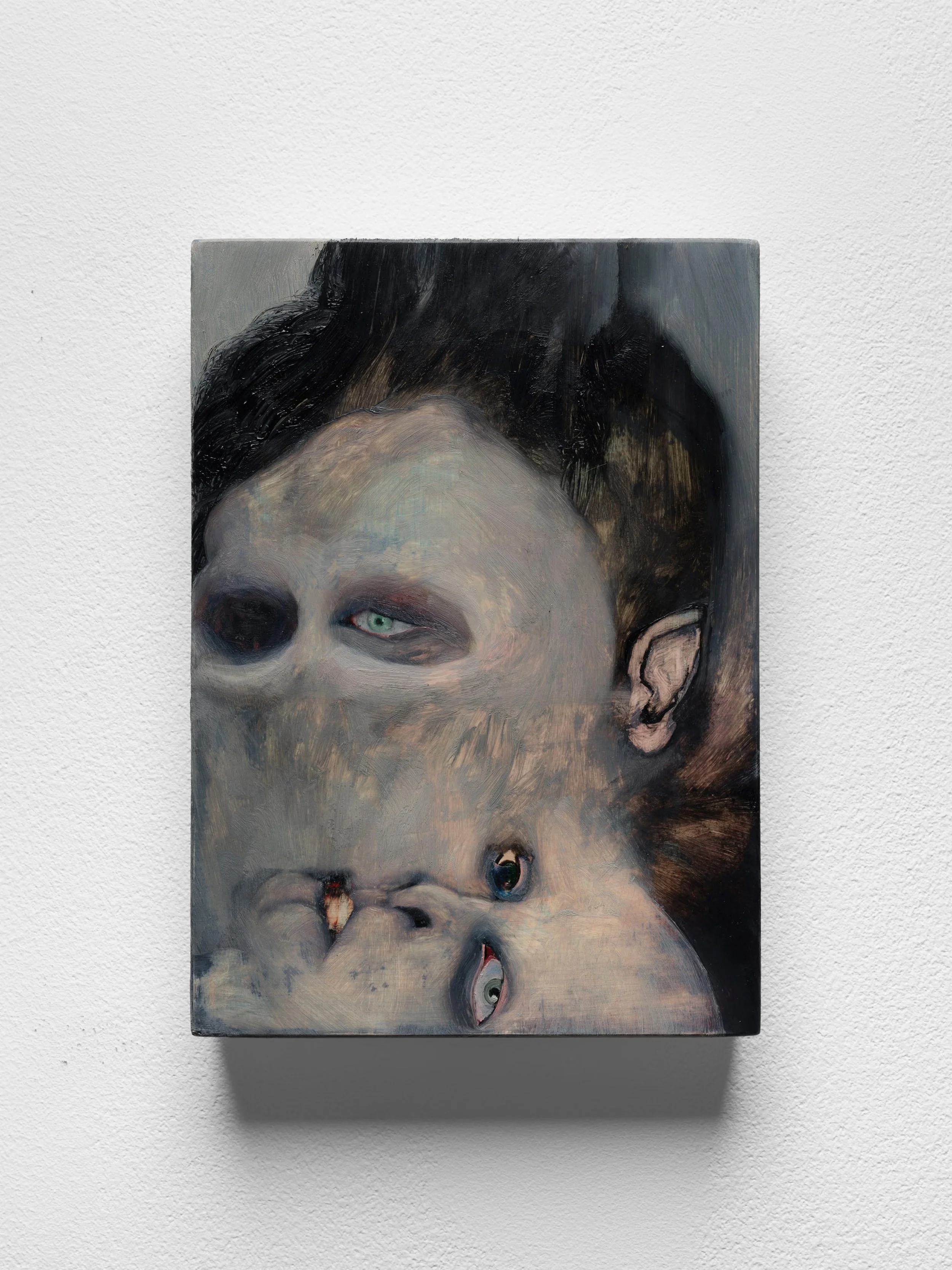
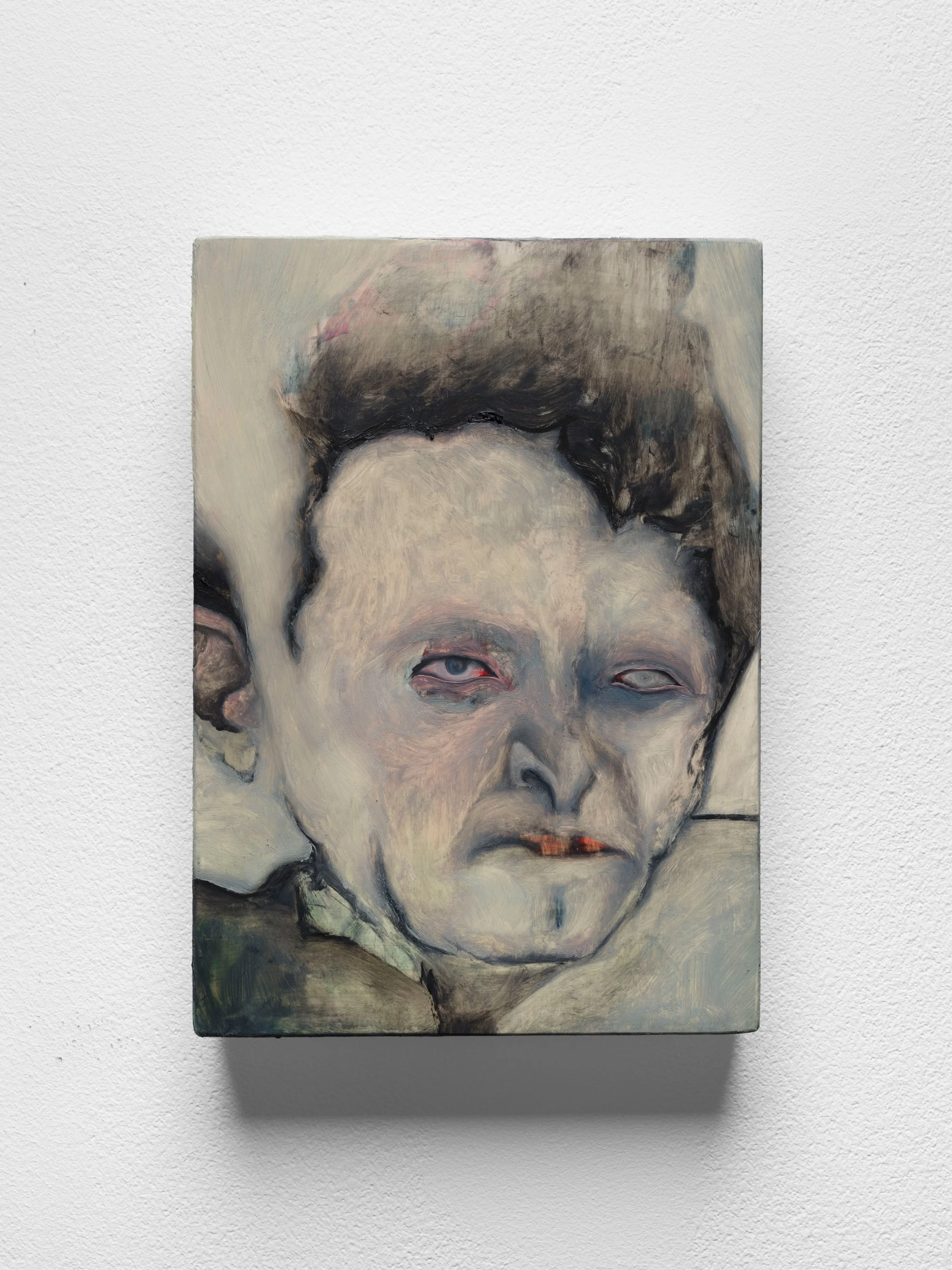
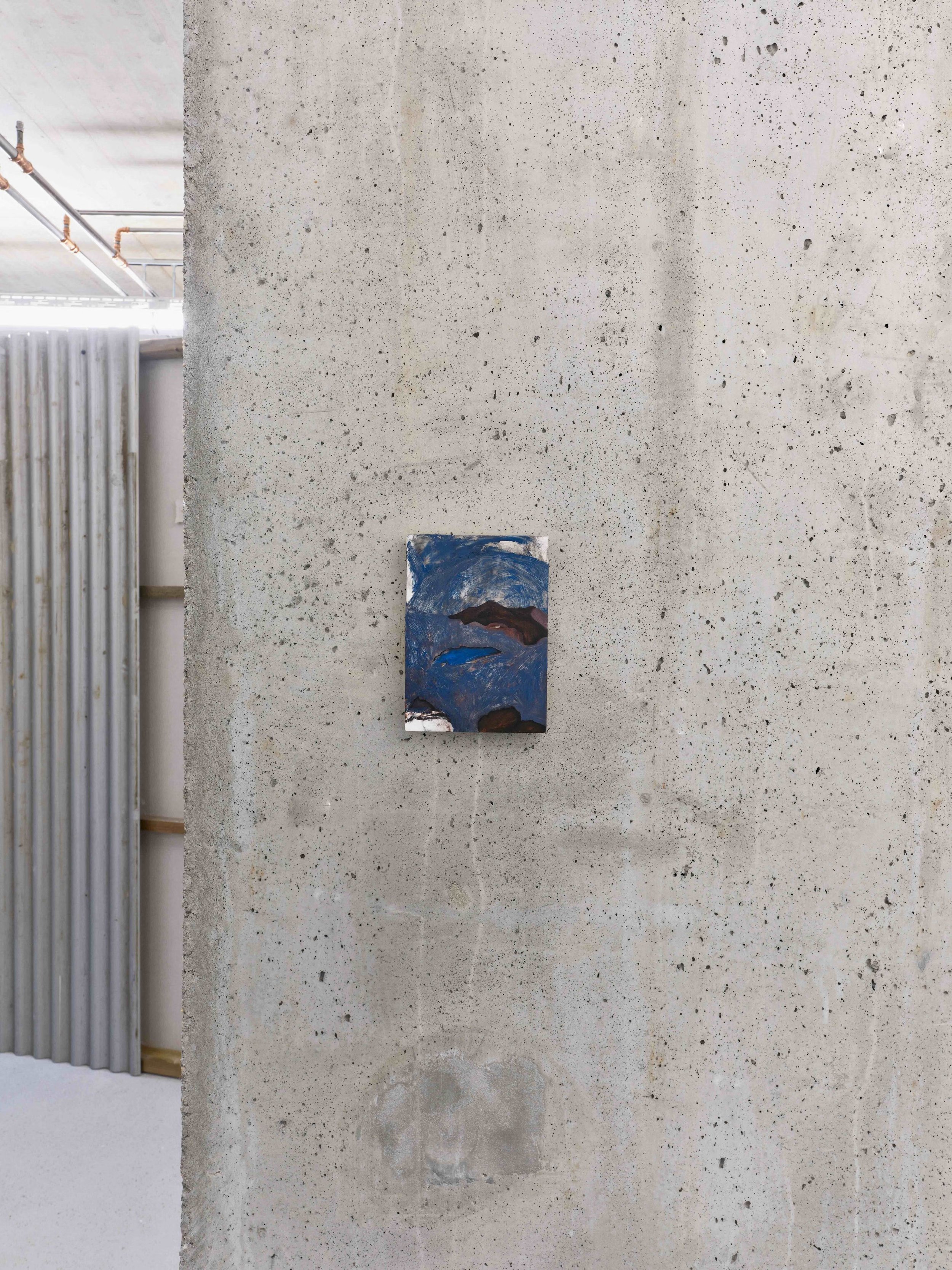
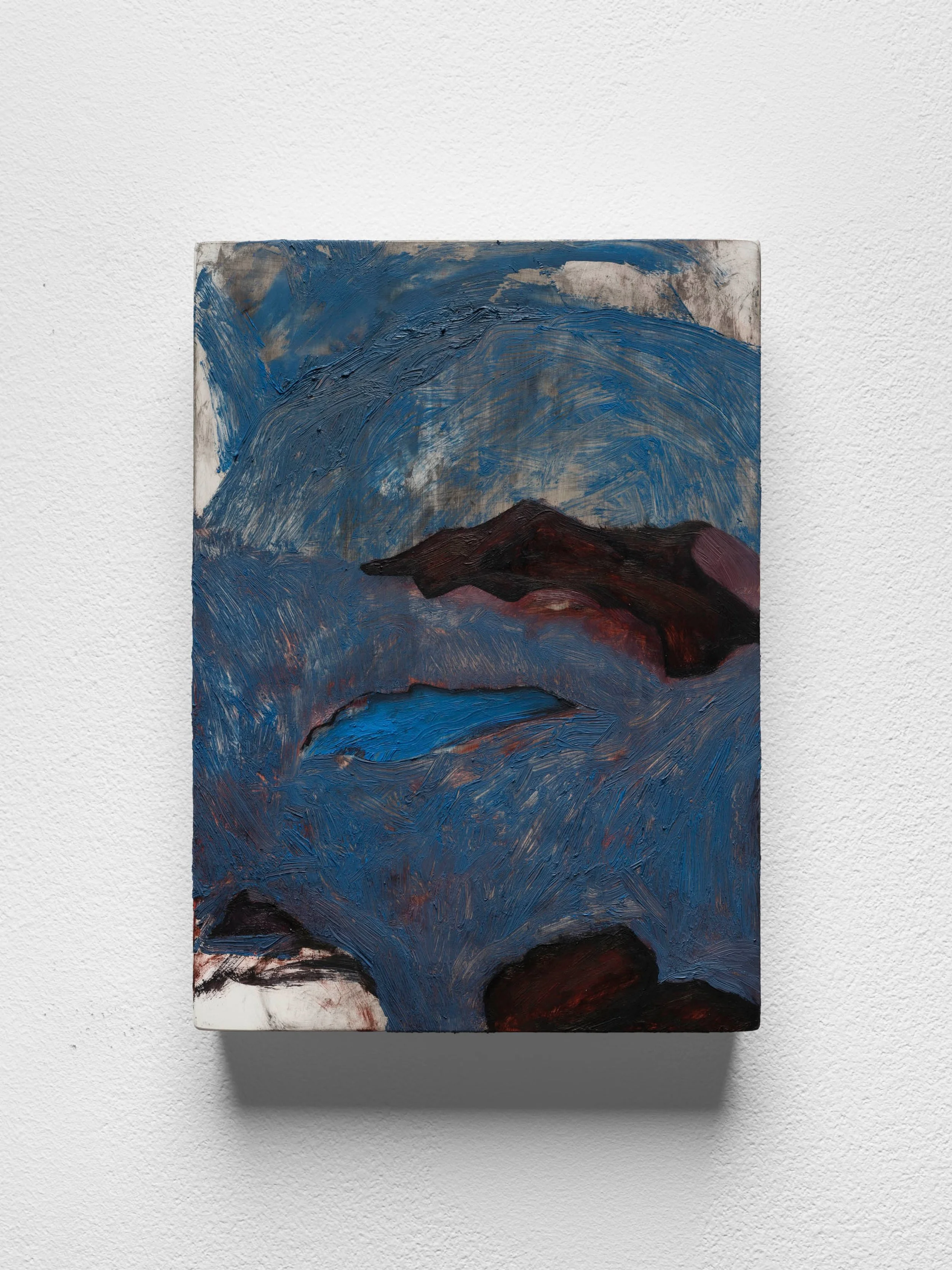
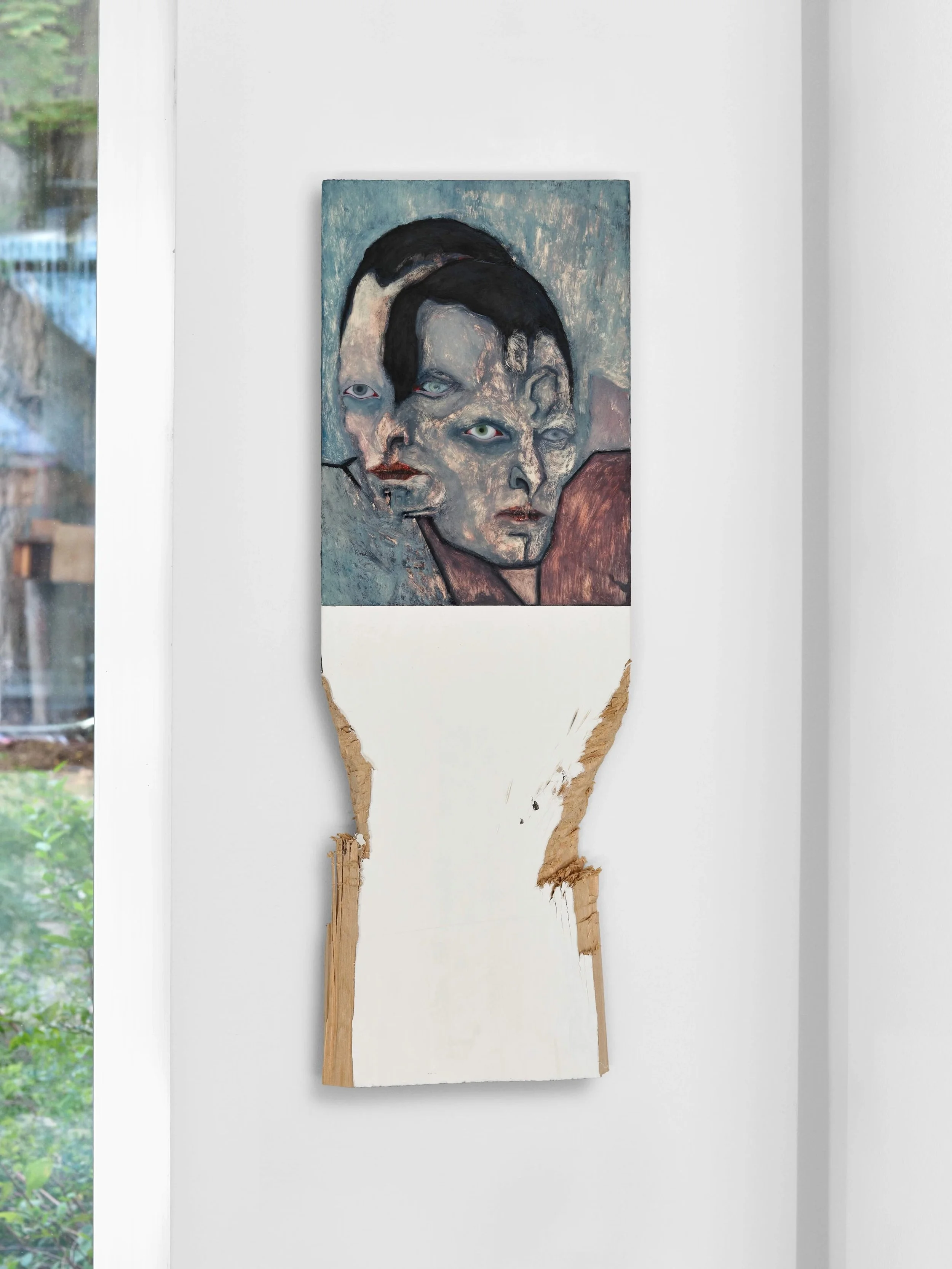
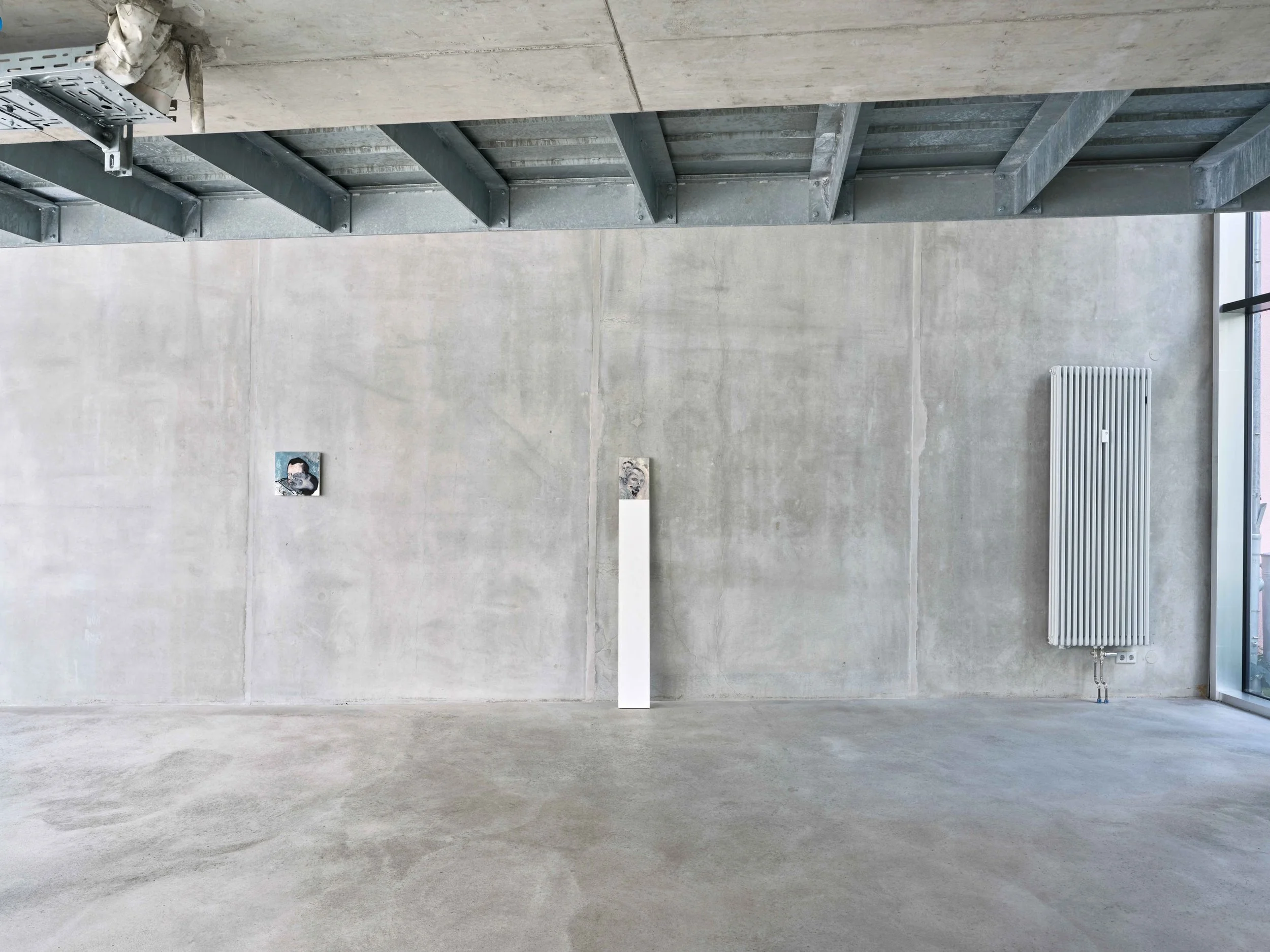
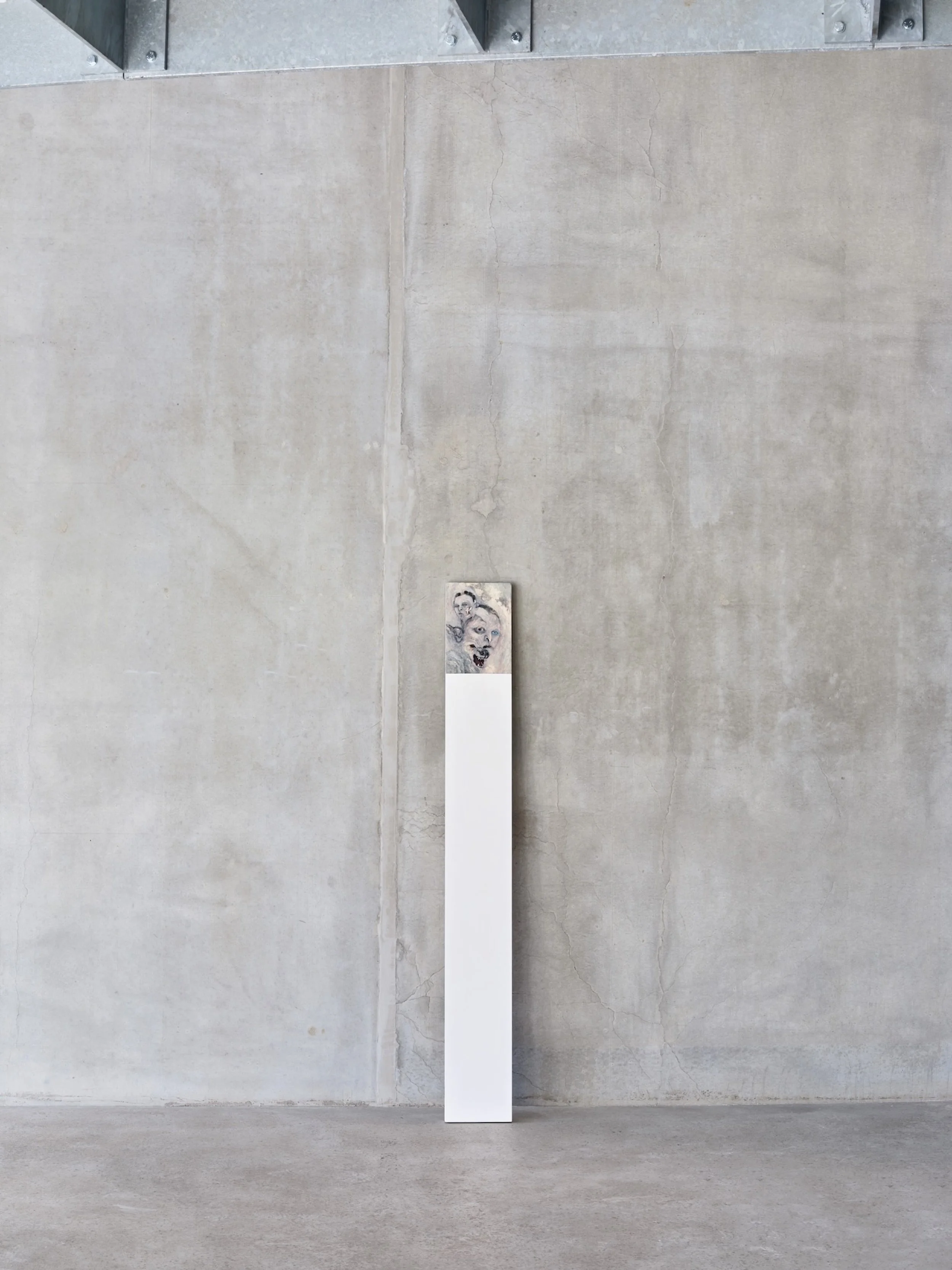
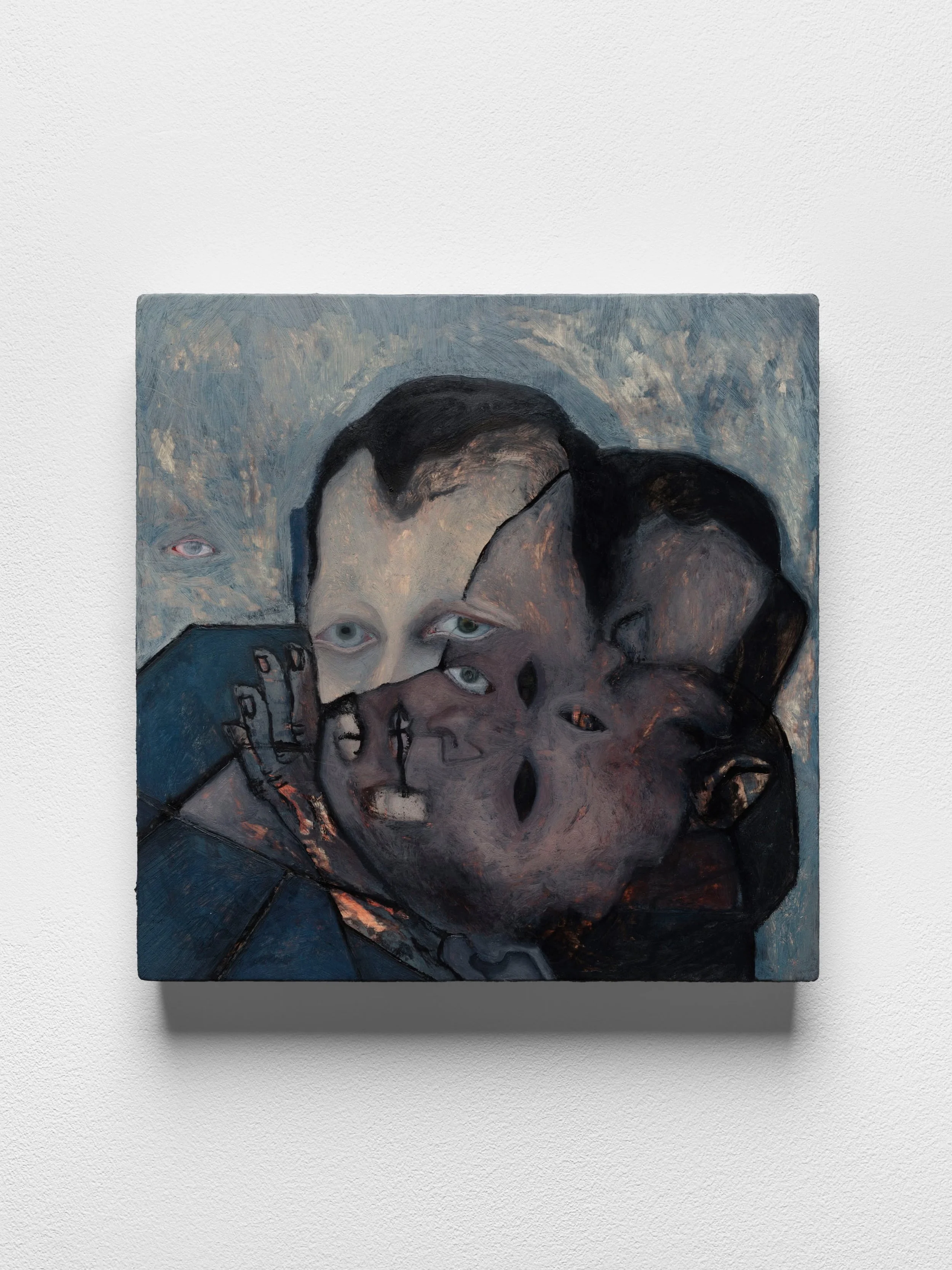
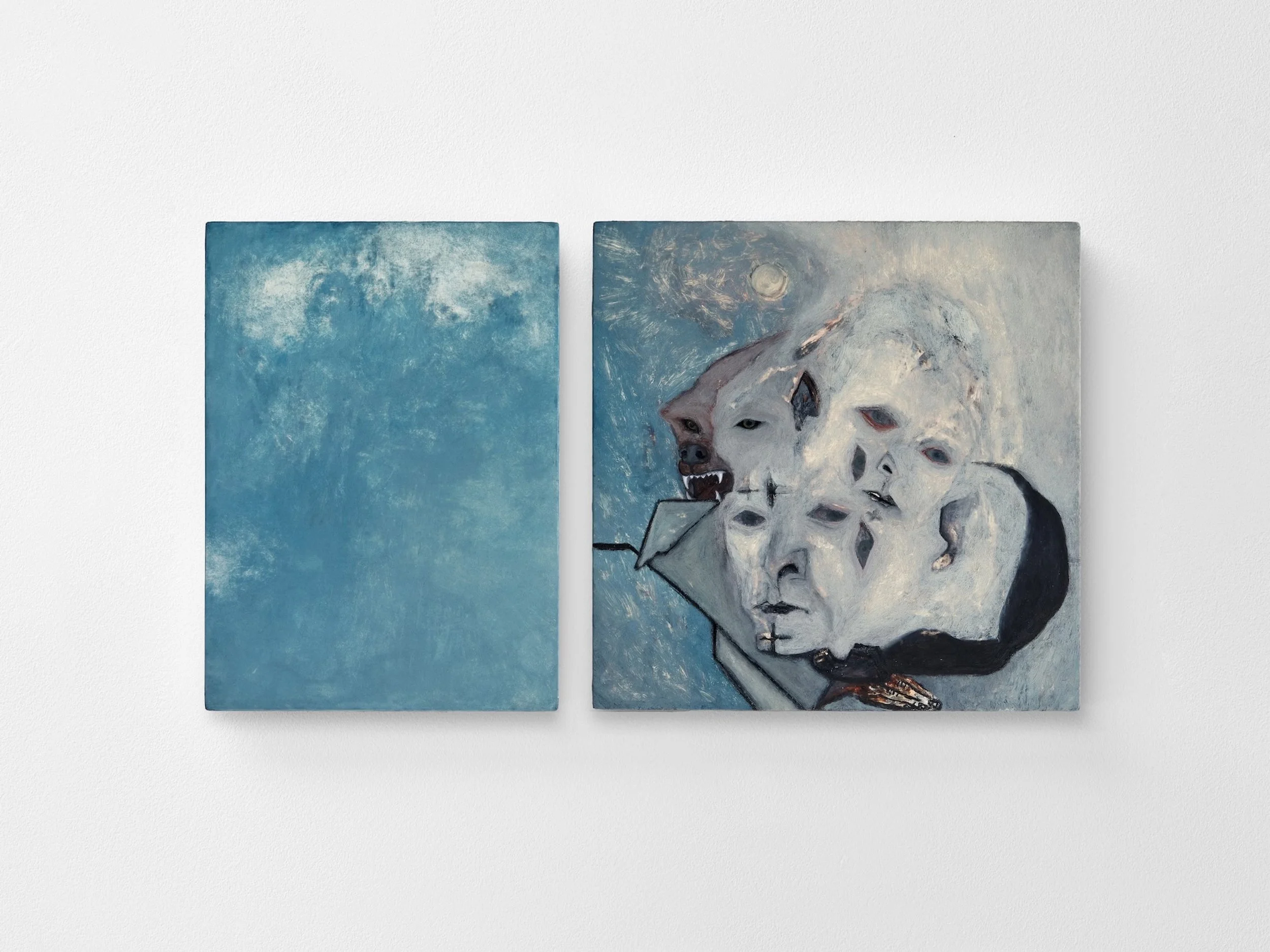
Molitor is pleased to present Nika Kutateladze's first solo exhibition in Germany on the occasion of Berlin Art Week 2026.
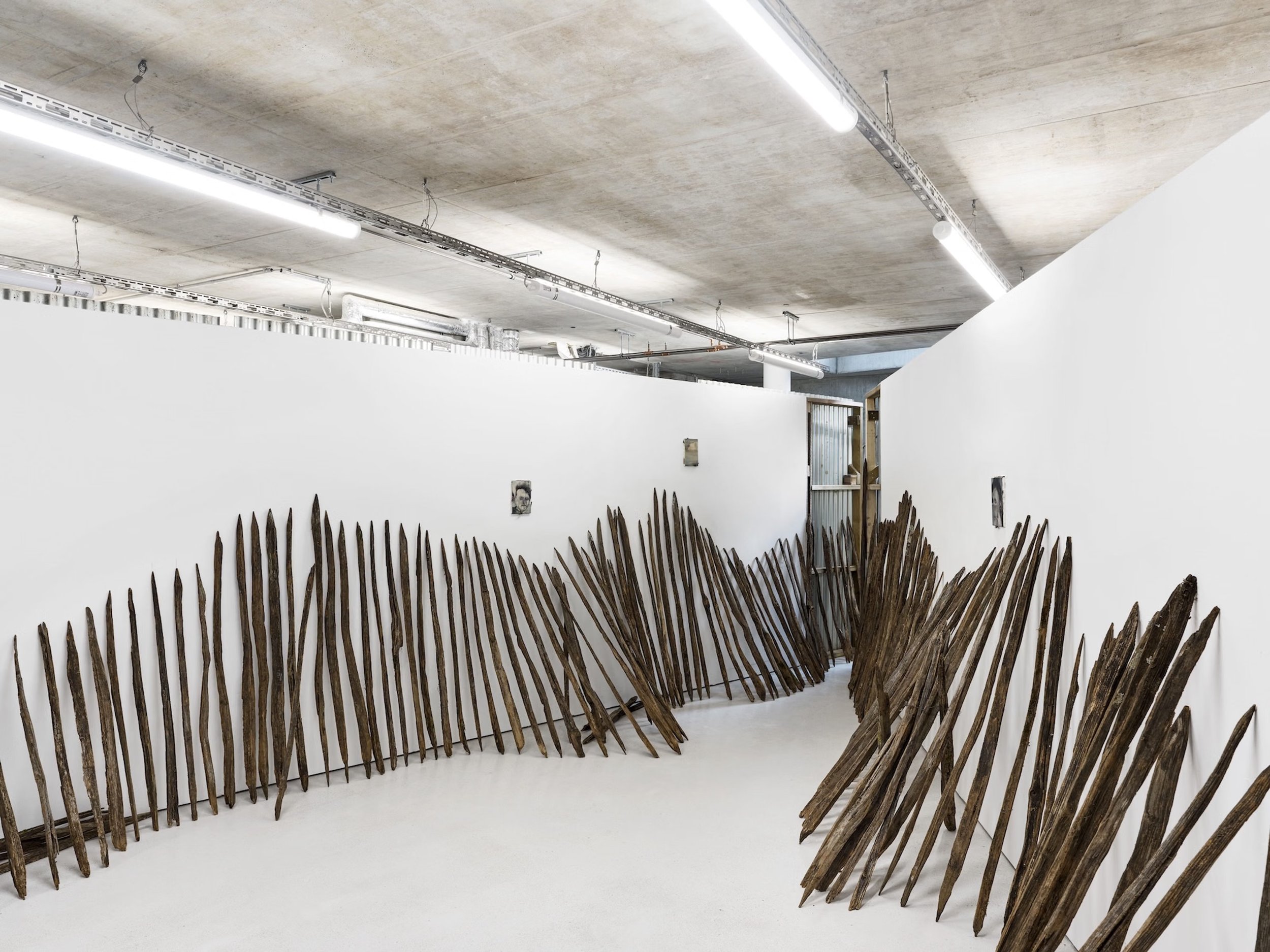
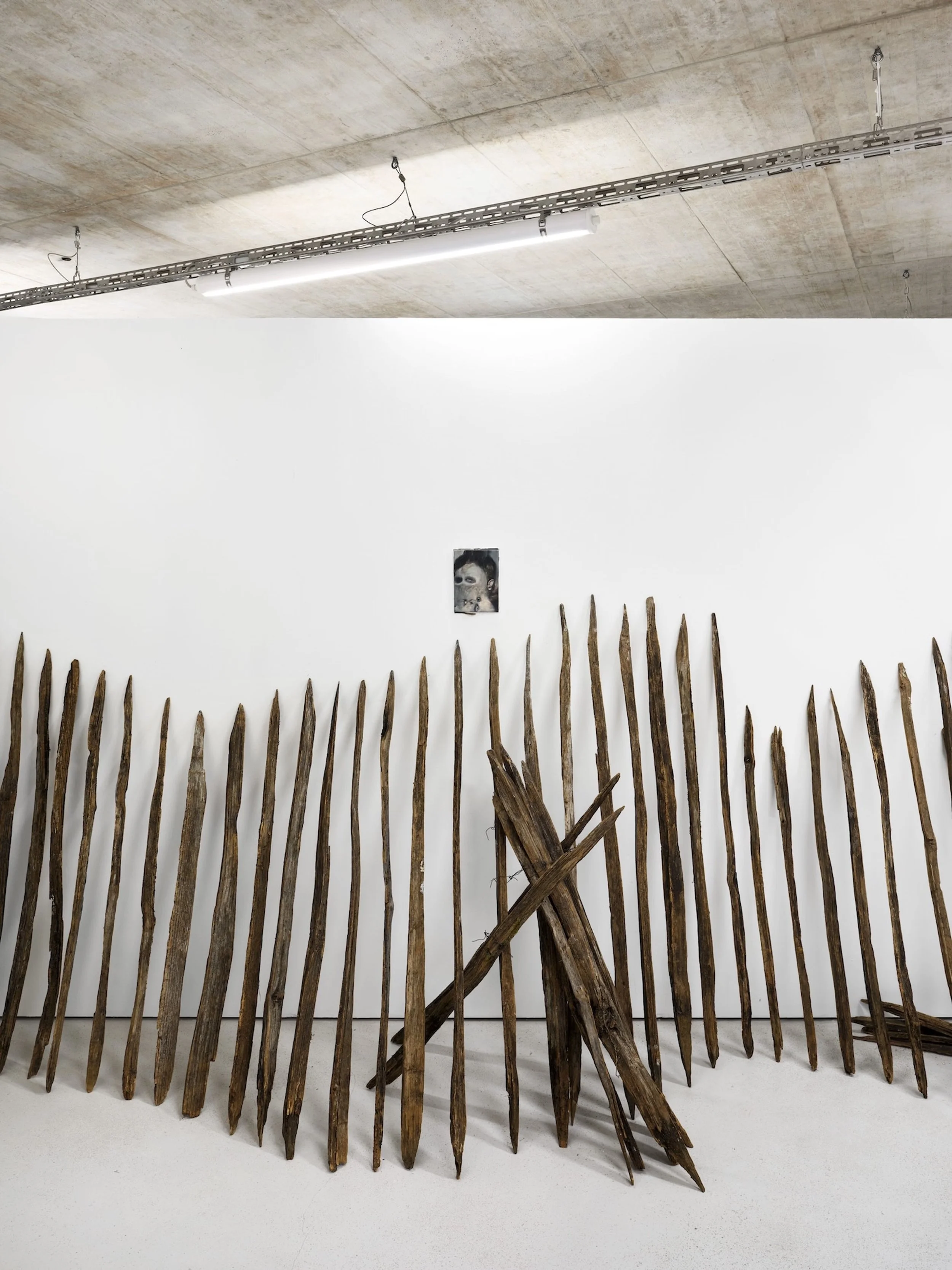
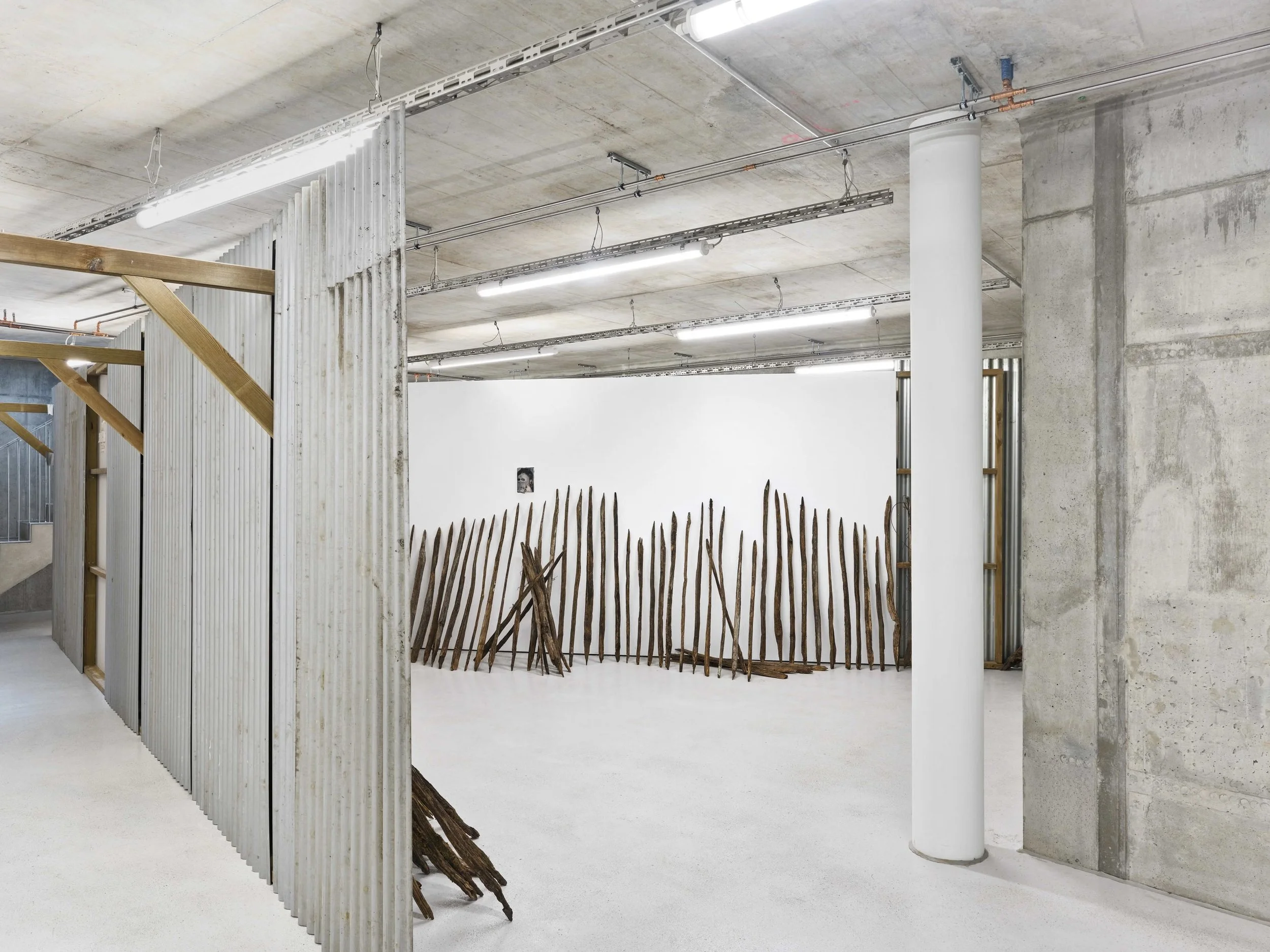
Nika Kutateladze’s Acacia Bloom loosely tells the story of the myopic focus on fences of a handful of men who remain in a depopulated village amidst an impending—or really ongoing—landslide. Kutateladze spent five years living alongside these holdouts and the largely abandoned, ramshackle houses that populate the staggering beauty of the mountainous landscape.
Kutateladze was initially compelled to start painting because of his impression that in this depopulated village any sense of exteriority eroded to reveal a base human nature. As such, his paintings begin as portraits of these holdouts, evolving until a deeper or more instinctual form of recognition materializes. Indeed as his own painterly project has developed over the past six years—he studied architecture, then worked primarily in sculpture and installation before starting to paint in 2020—he has continued to probe the possibilities of how to strip back the surface of a face. He approximates such porosity in his portraits as orifices hollow into a ghostly pallor and contours fracture or dissolve. The jackals that recur throughout this group of paintings also bare their teeth in another gesture of literally exposed interiority. Kutateladze’s work stands in a lineage of portraiture concerned with a dark vision of life and is reminiscent, at moments, of Francis Bacon’s concern with “the whole horror of life, of one thing living off another” or Marlene Dumas’s ethereal takes on everyday monstrosities. Indeed painting is an apt medium for such a concern with a permeable surface, while working on board accentuates an emphasis on removal, as it allows Kutateladze to build up and then work away at layers of oil.
Kutateladze’s observations of this village has a tinge of a Sartrian No Exit—L'enfer, c'est les autres—as well as of the tradition of fictionalized rural towns in the vein of Gabriel Garcia Márquez’s Macondo or William Faulkner’s Yoknapatawpha County. When you understand this place, you know everything you need to know. It’s as if to say, on some level, this is all there is. On the other hand, like these novels, Kutateladze’s paintings, and the installation that houses them, operate with a sociopolitical specificity, as his observation of the Guria mountains in his native Georgia also speak to the region’s migration patterns and borderization.
In the gallery’s basement, two fences stand in a face-off echoed by the portraits hung above them, which seem to just avoid each others’ gaze. Integrating his paintings into these vaguely threatening remnants of a home, Kutateladze points to the strange symbiosis that develops between inhabitants and their lived environment. The installation also alludes to a circular logic embodied by the Acacia wood fences in the village, as acacia trees are often grown simply to provide the wood to build a fence around the plot of trees themselves. This cycle grows only more senseless and relentless as the mountainside itself slowly erodes in landslides. And on and on and on.
Images courtesy of the respective artists, galleries, and, where applicable, photographers. All rights remain with the copyright holders.
Photography: Choreo and Marjorie Brunet Plaza
Sample Question
Nina Porter @Kunstverein in Hamburg, Hamburg.
Spotlight: September 18th, 2026
Nina Porter @Kunstverein in Hamburg, Hamburg. 05.06.26 – 22.09.26
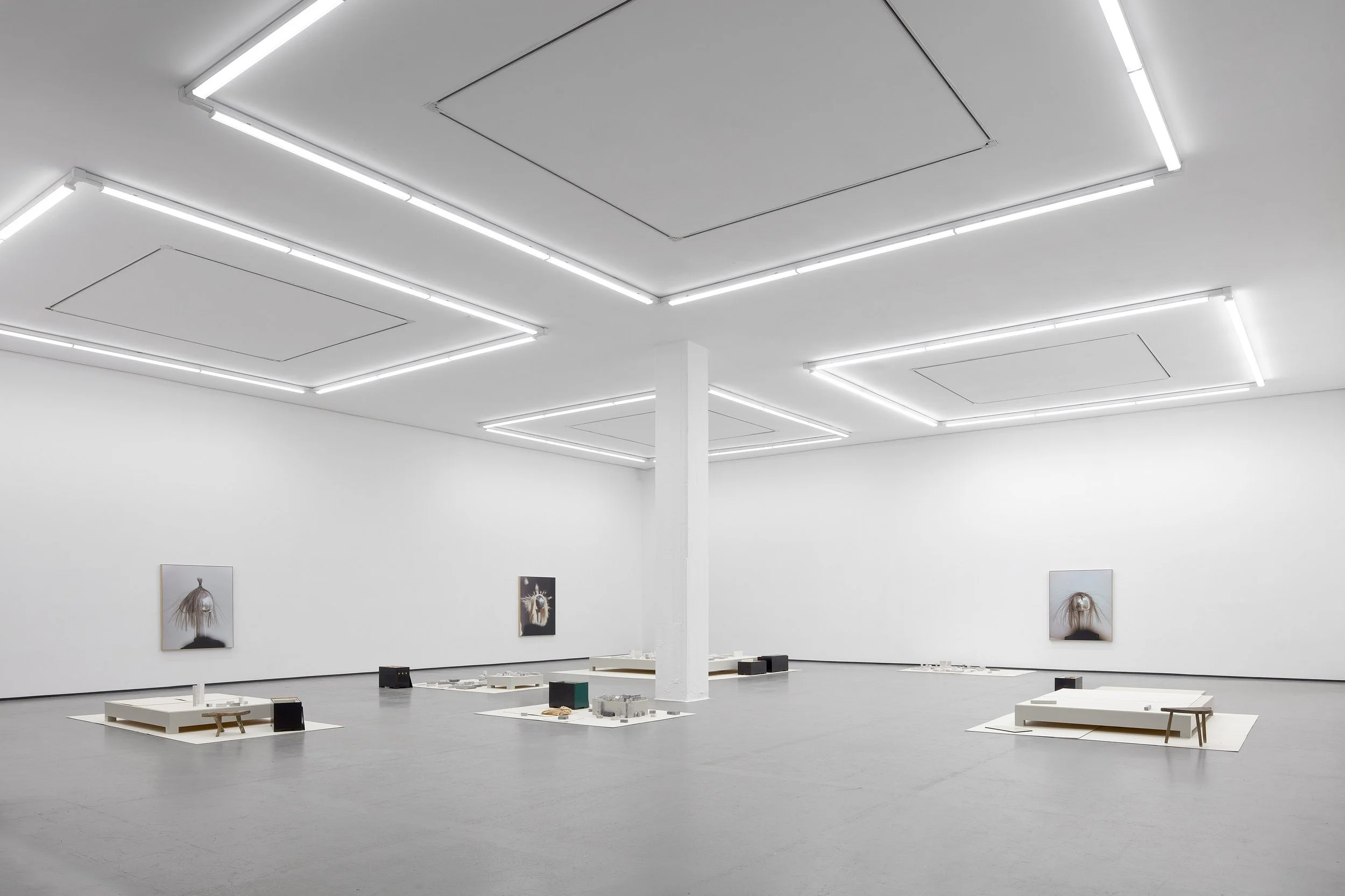
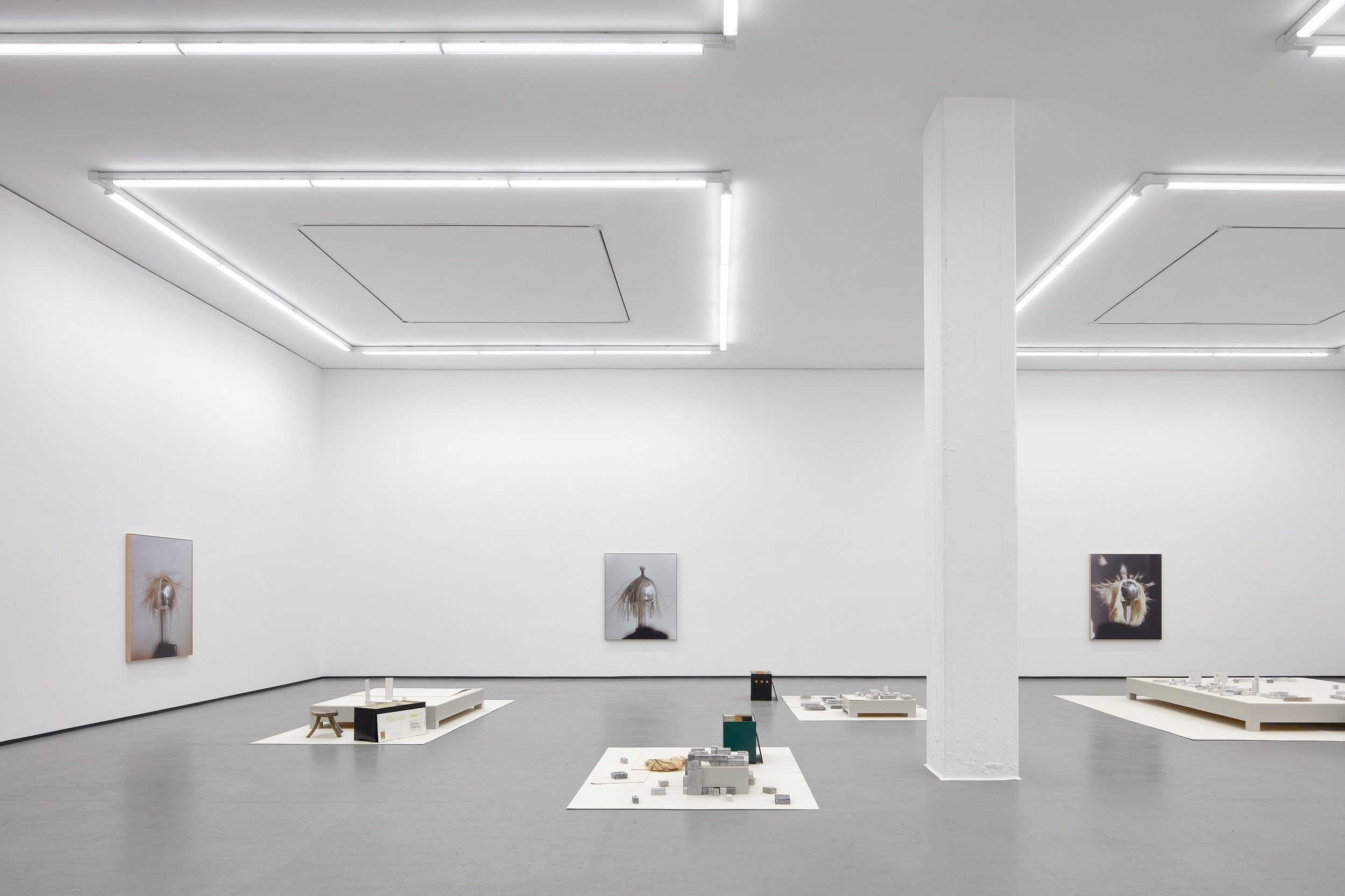
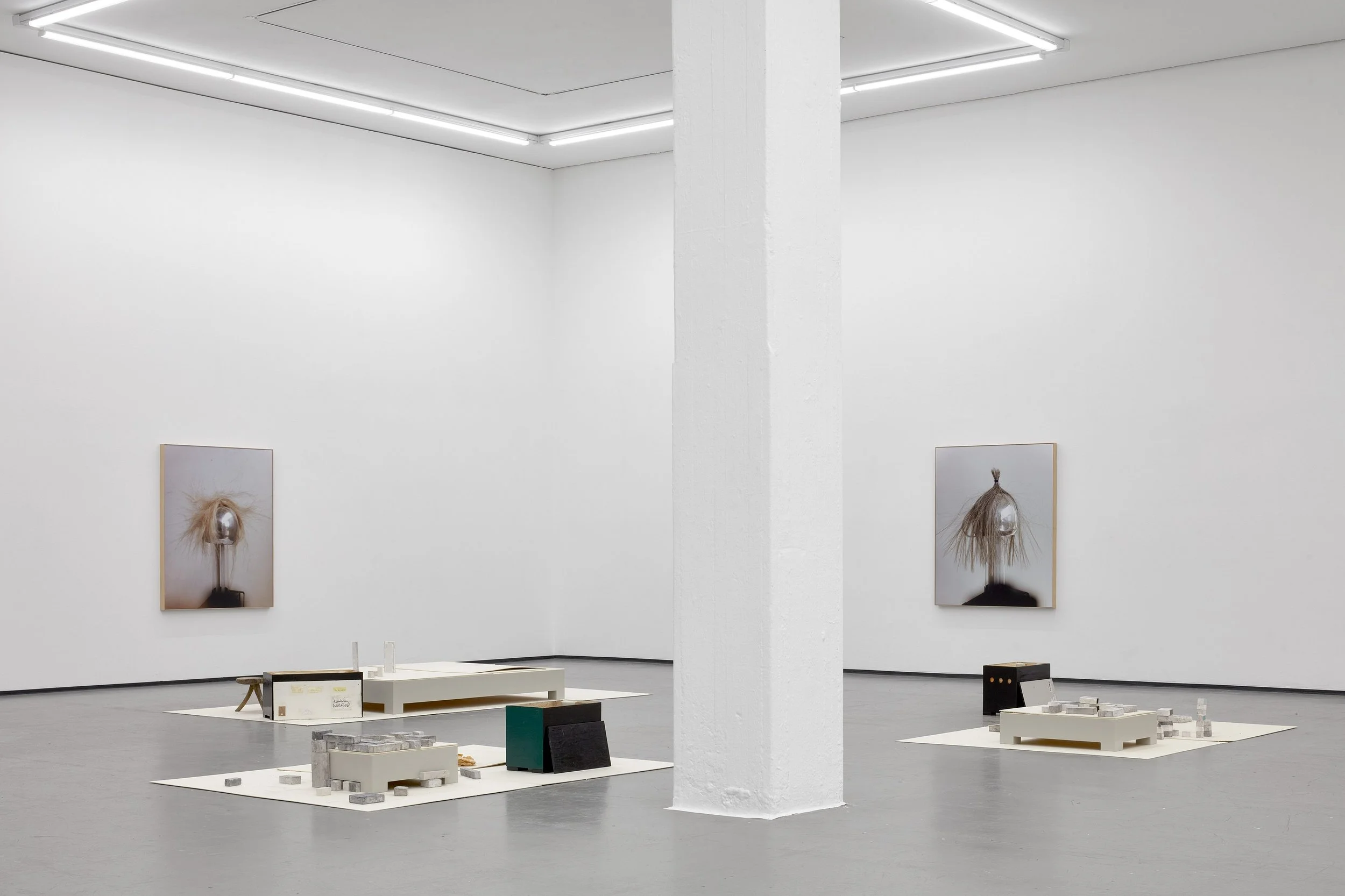
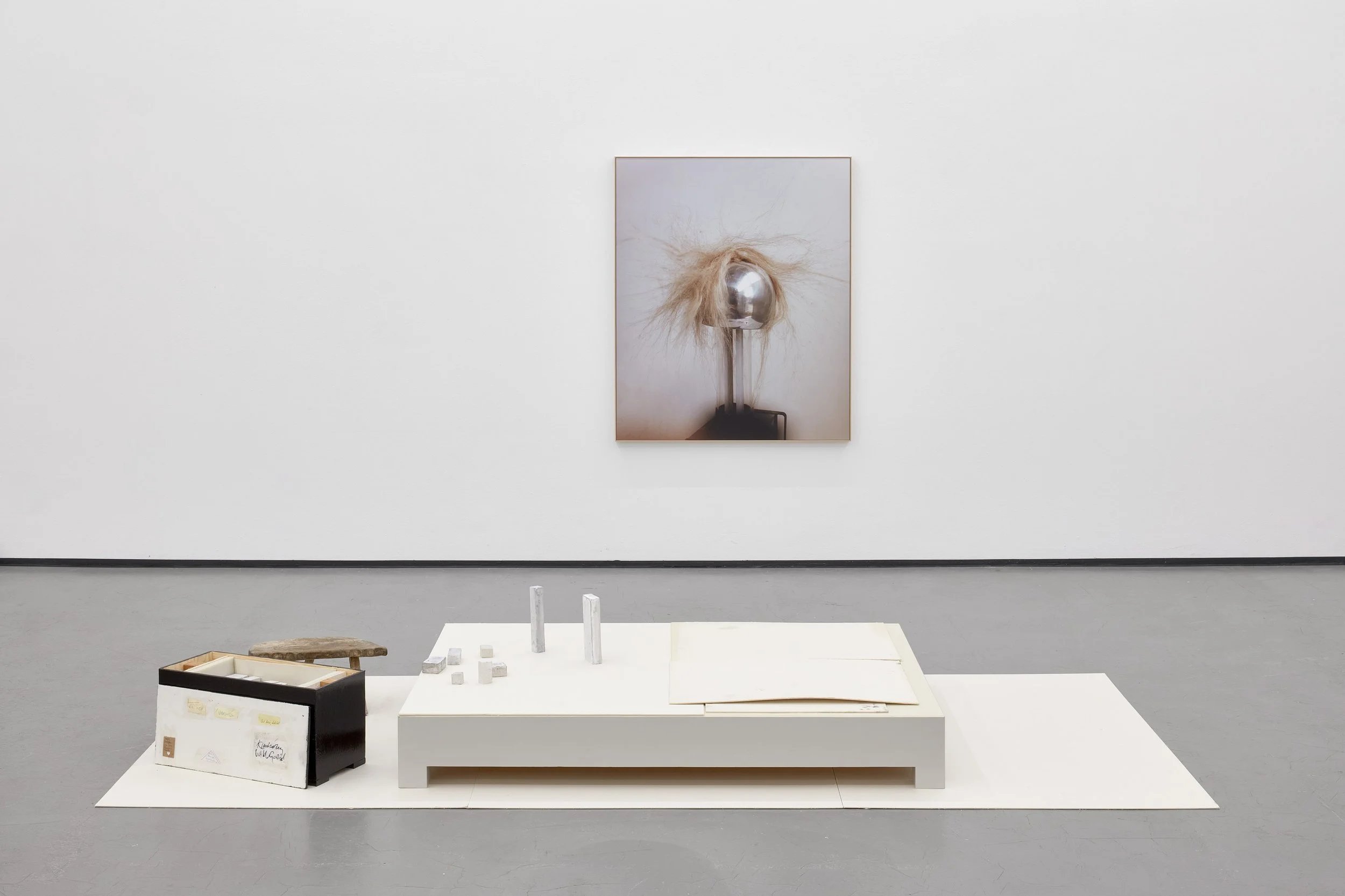
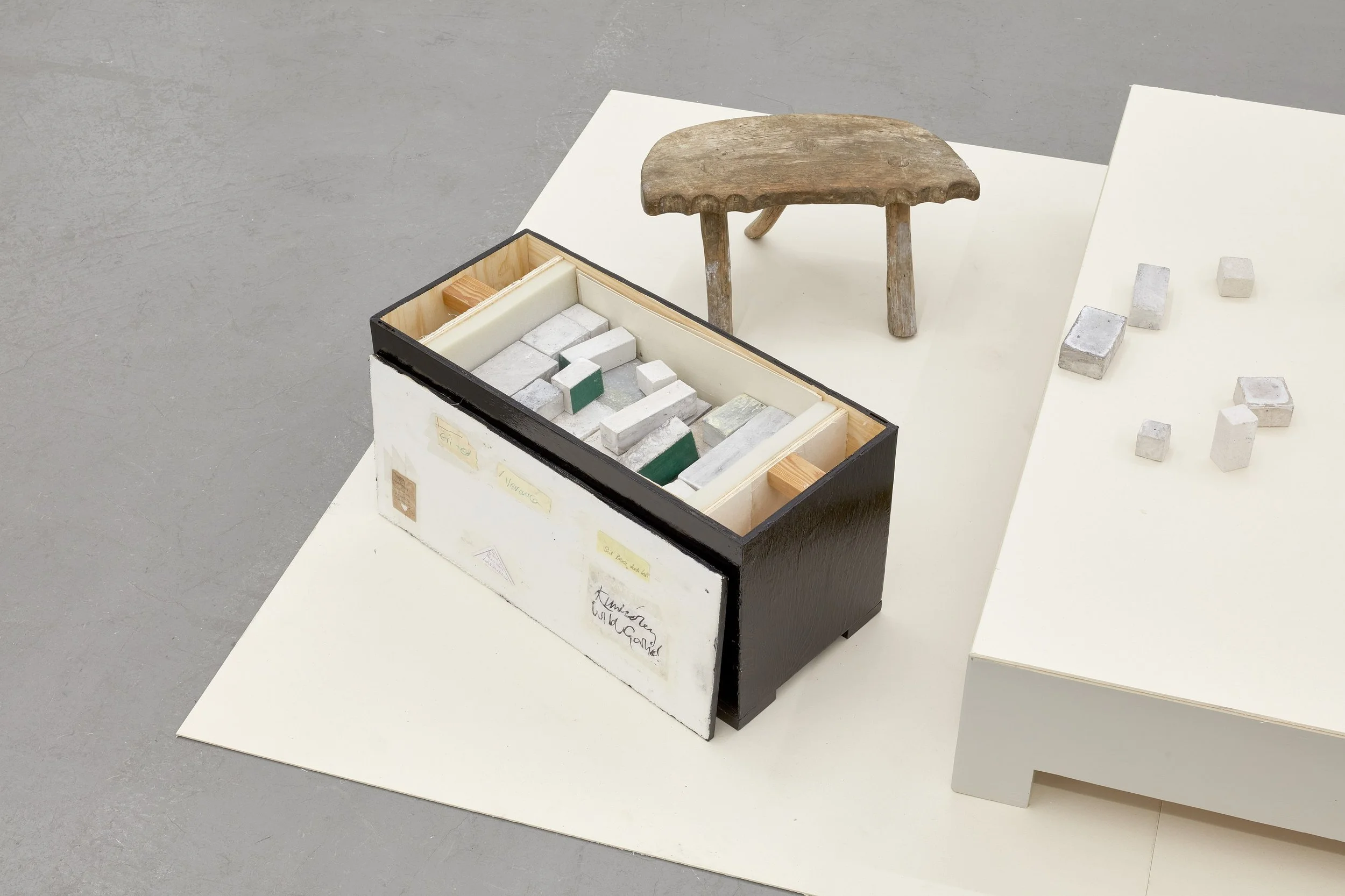
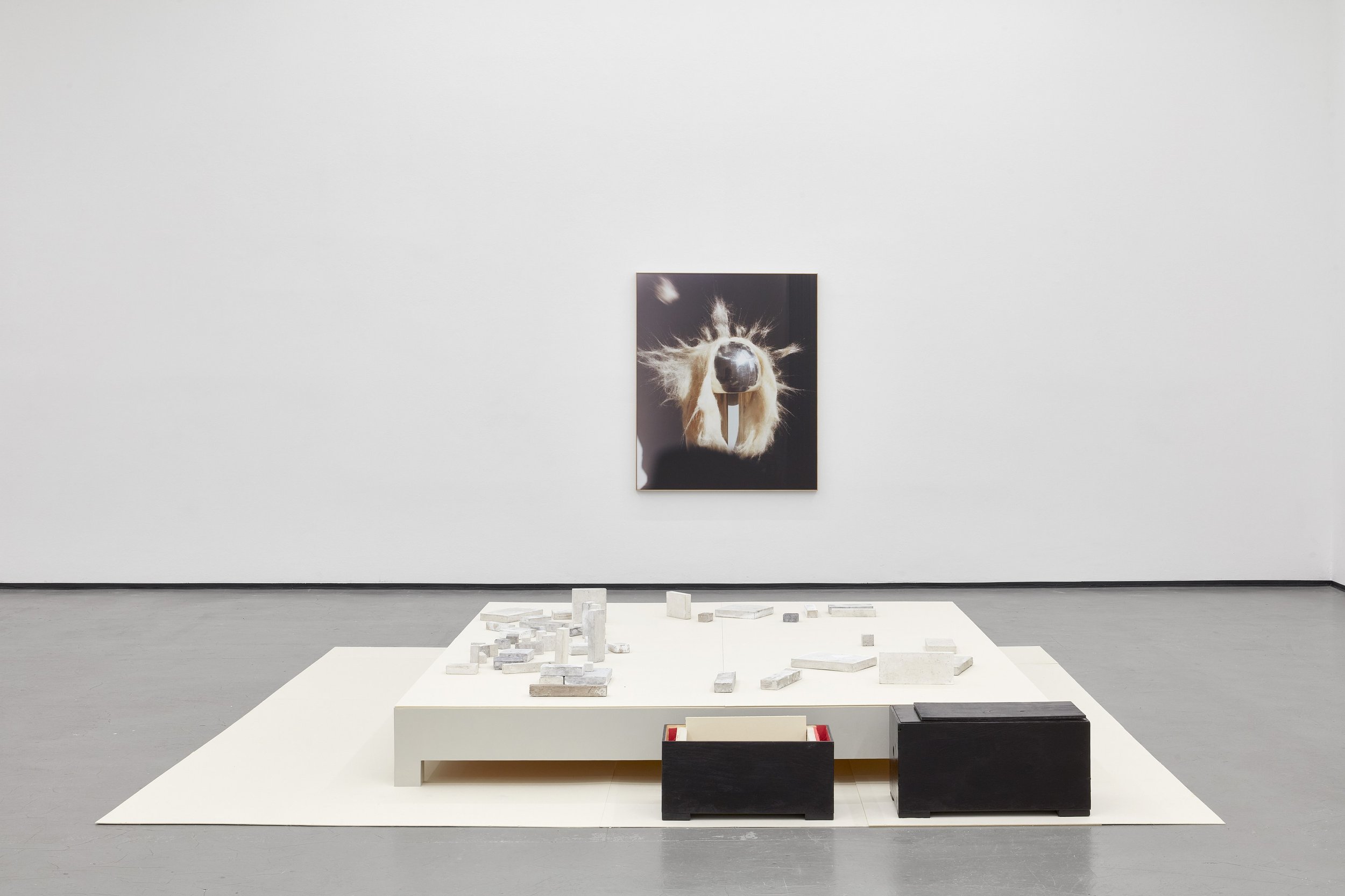
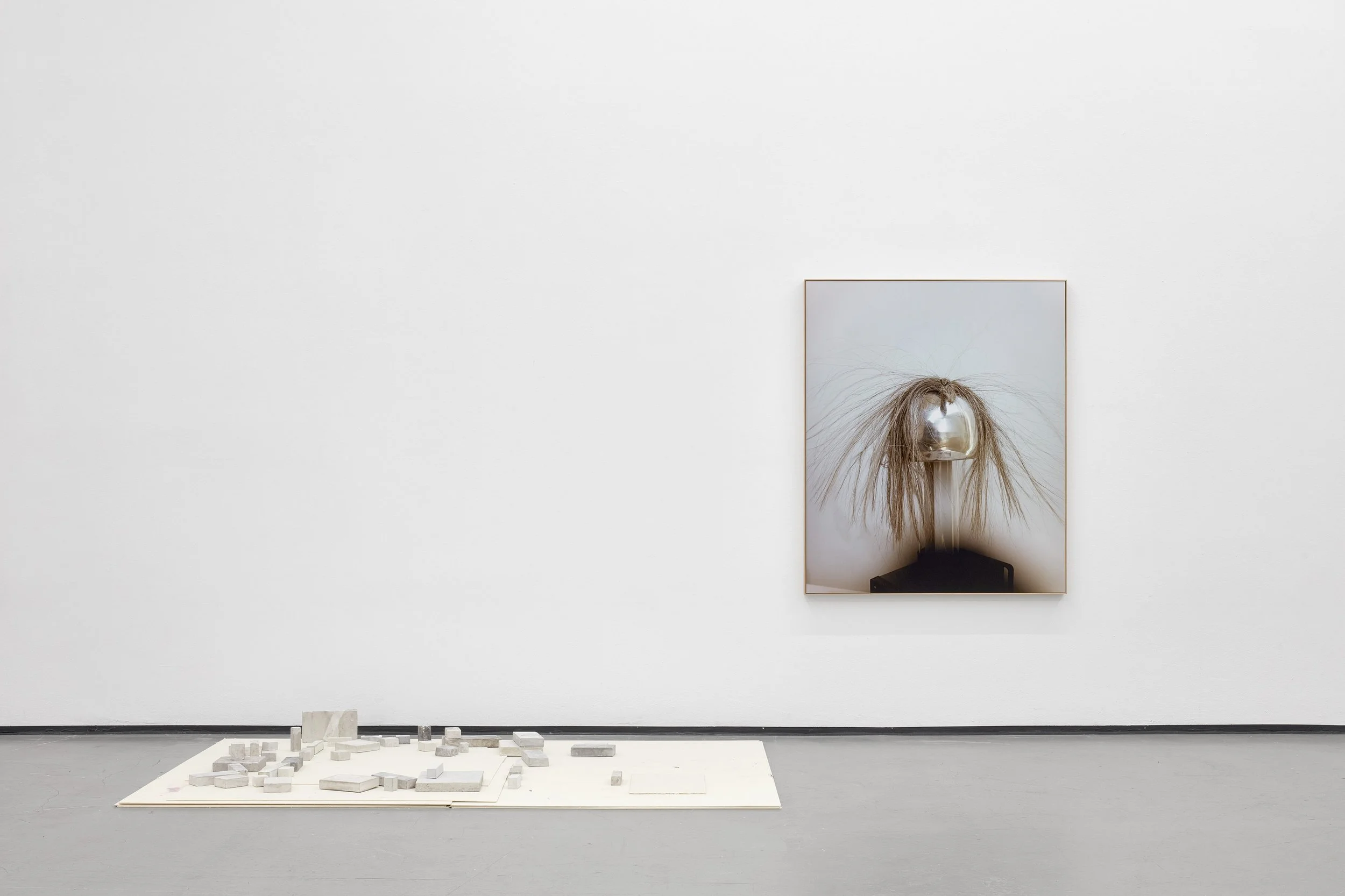
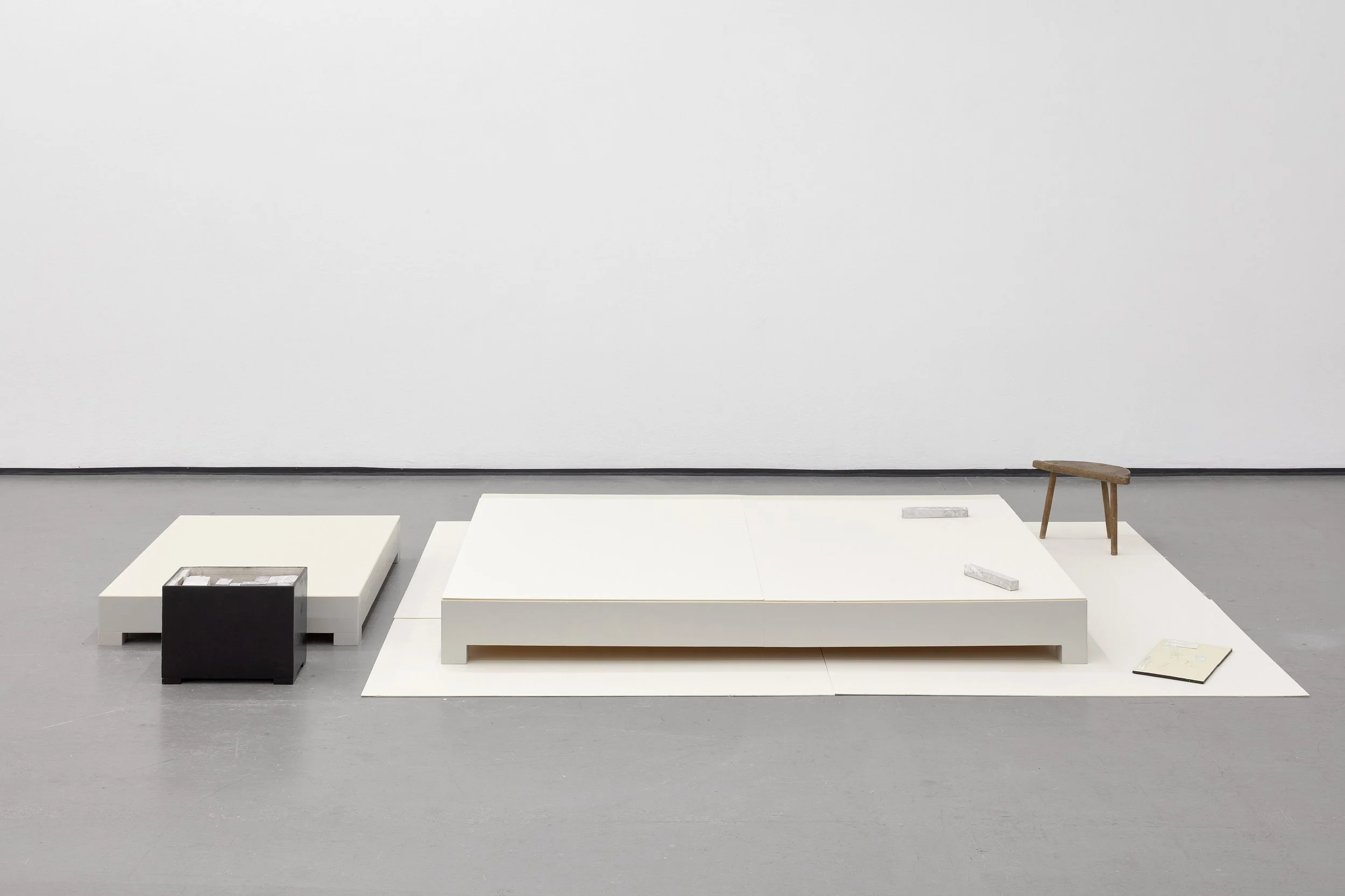
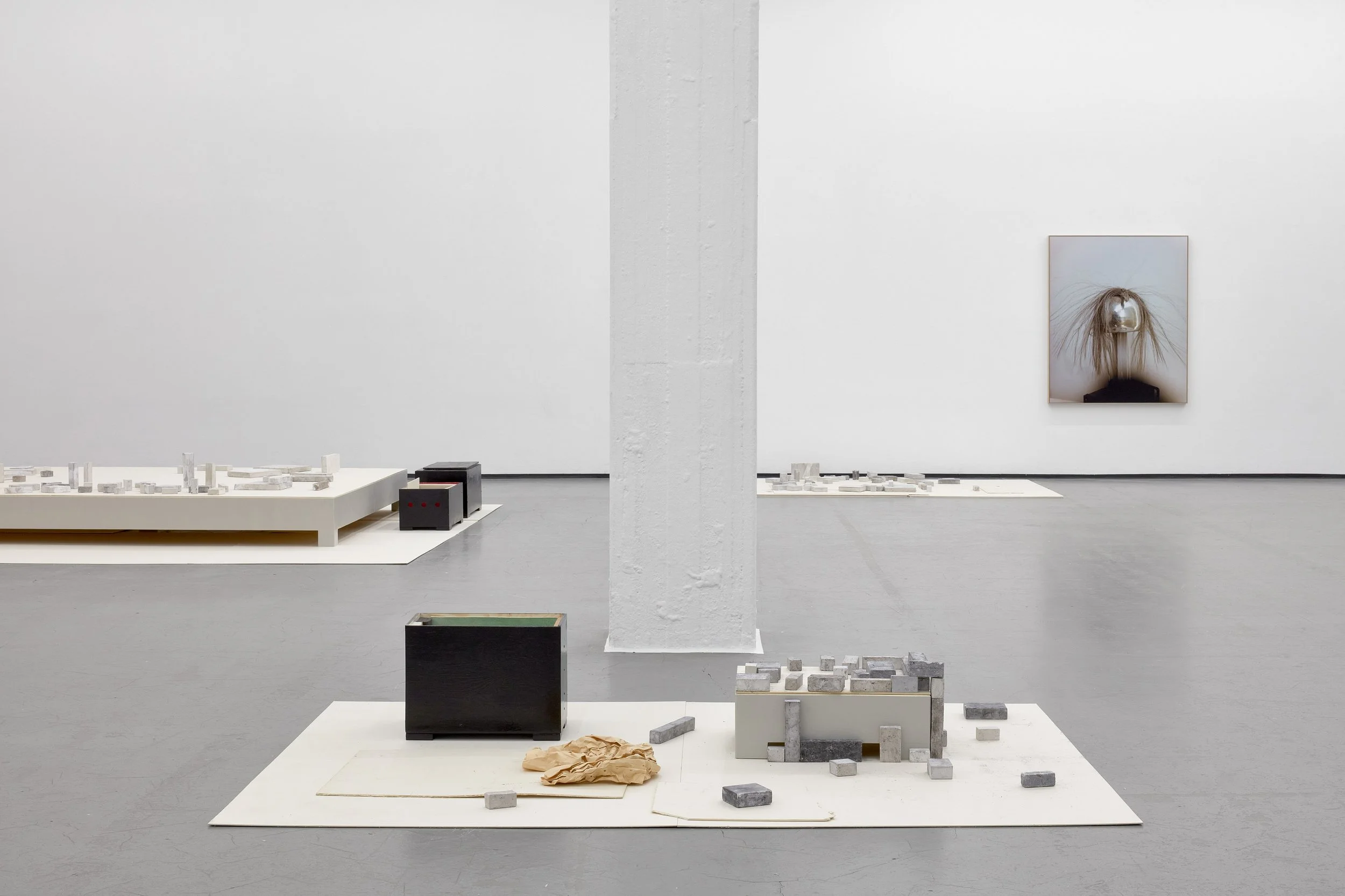
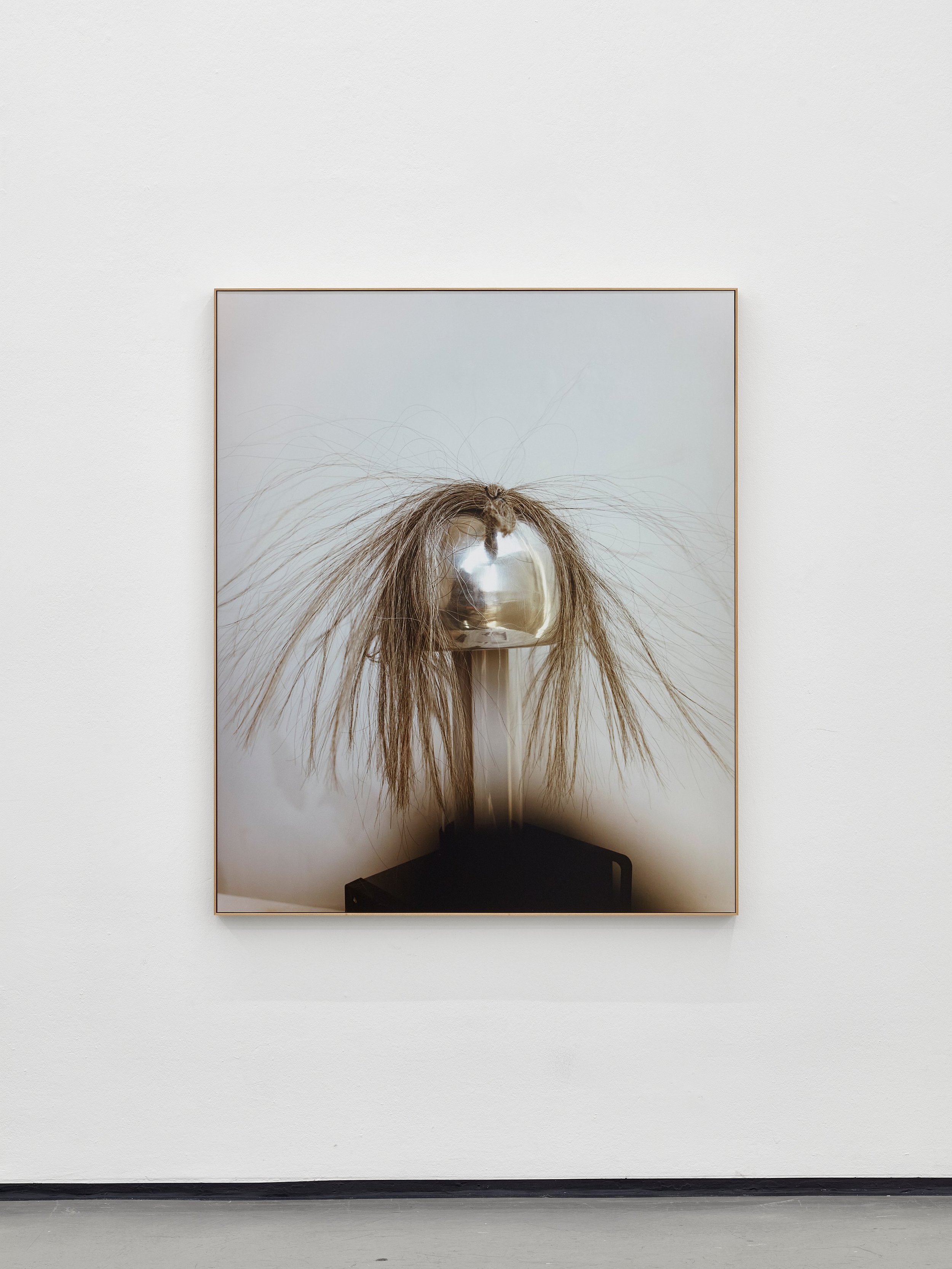
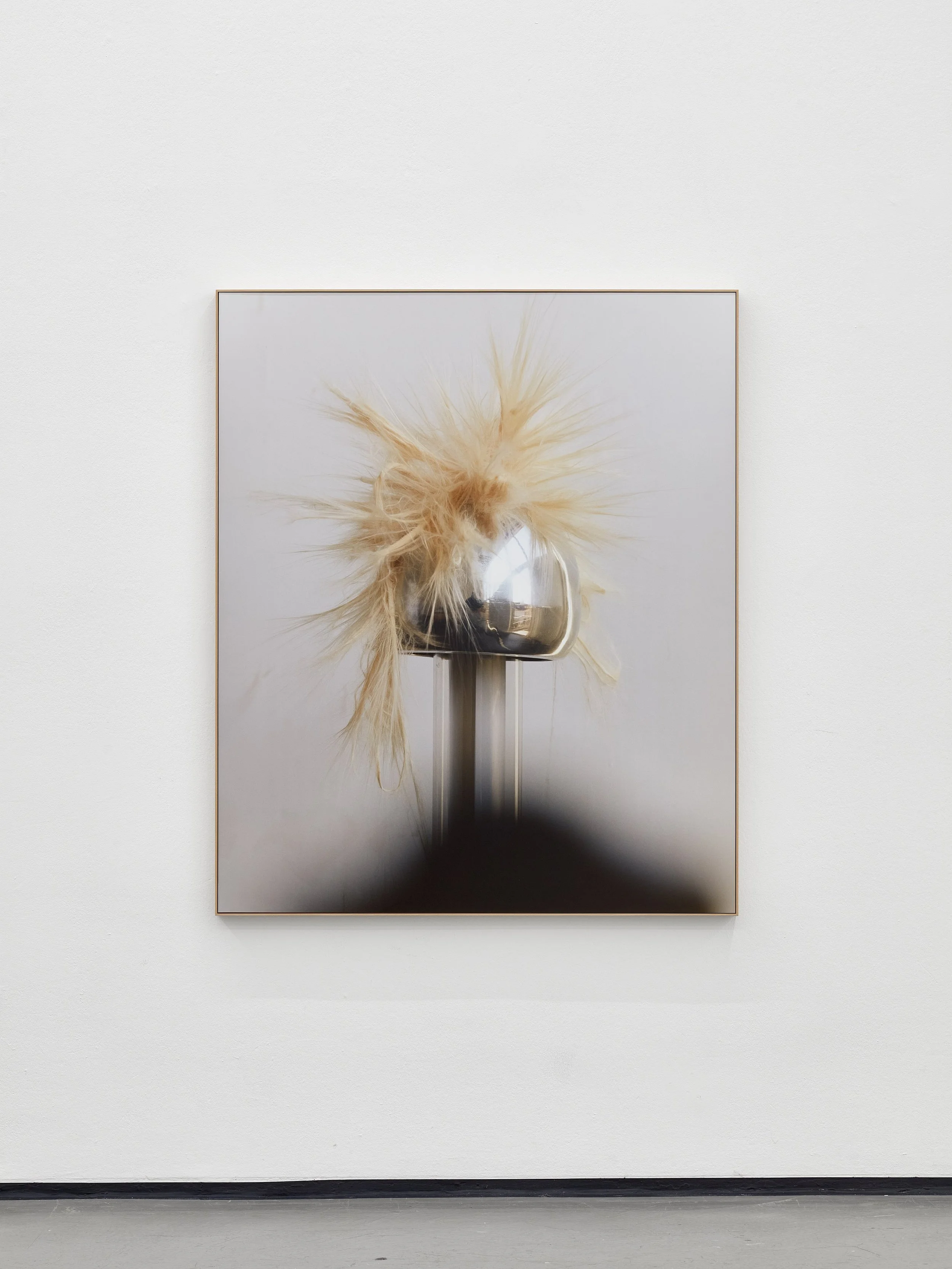
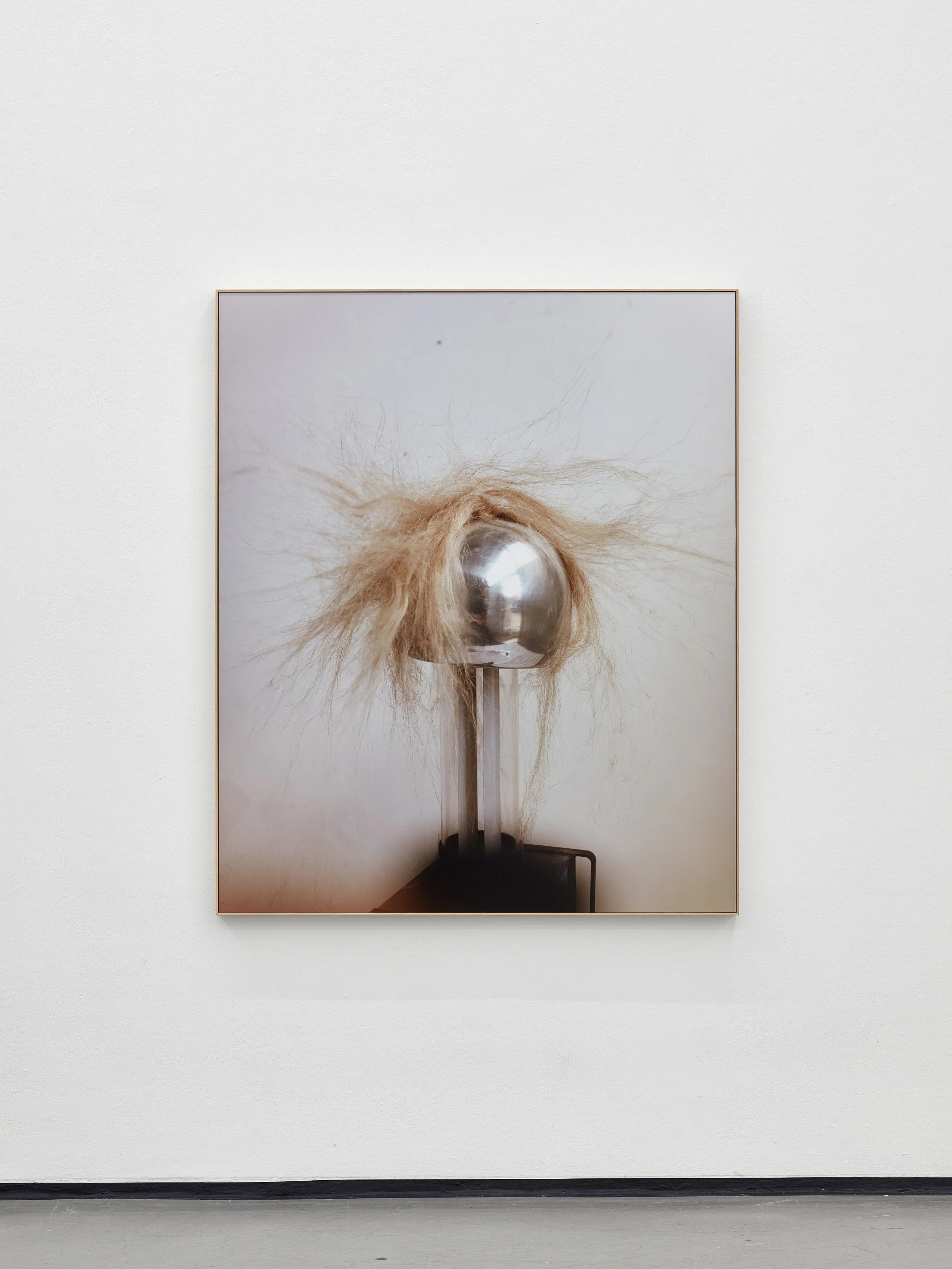
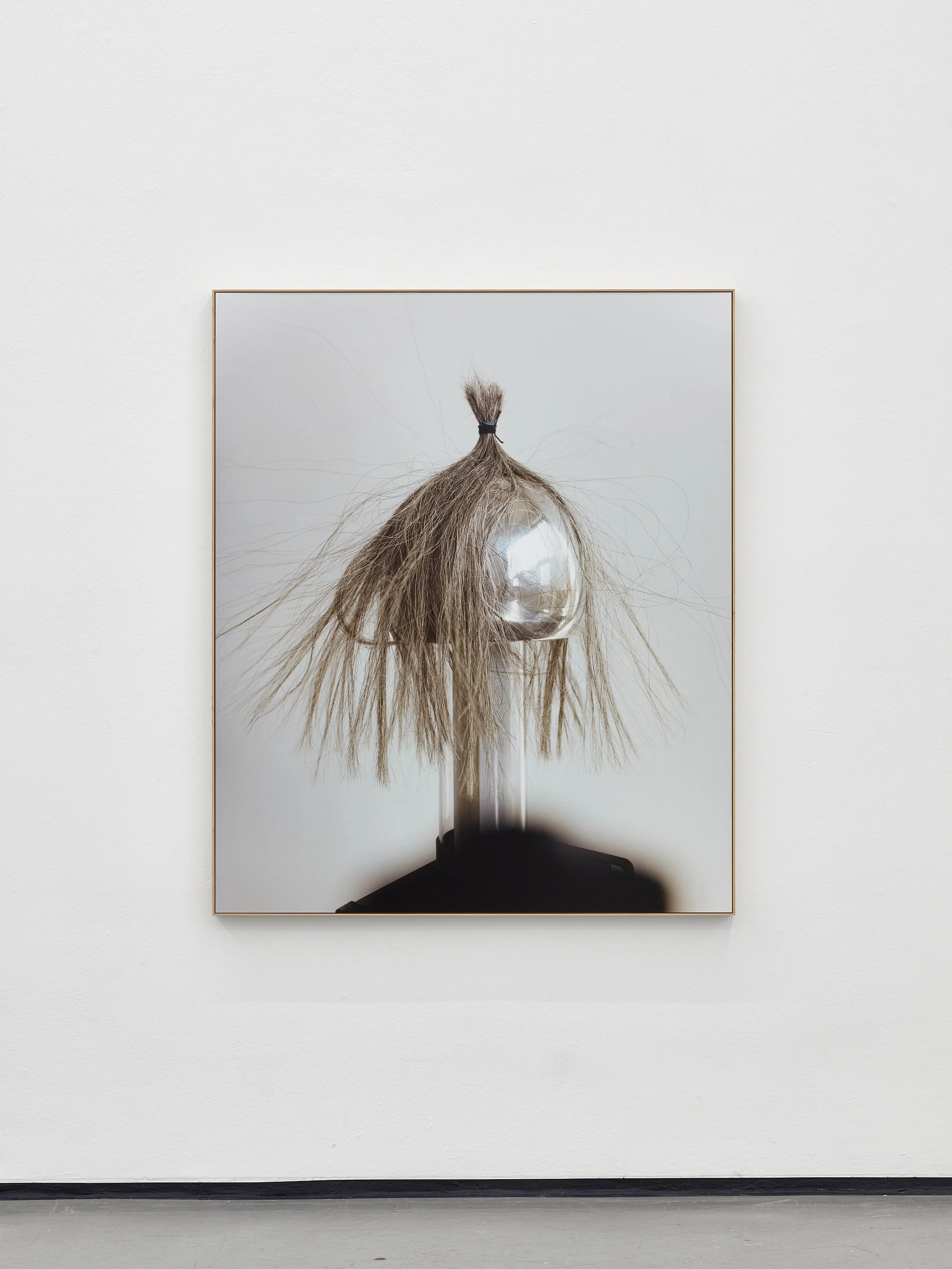
The Kunstverein in Hamburg presents..
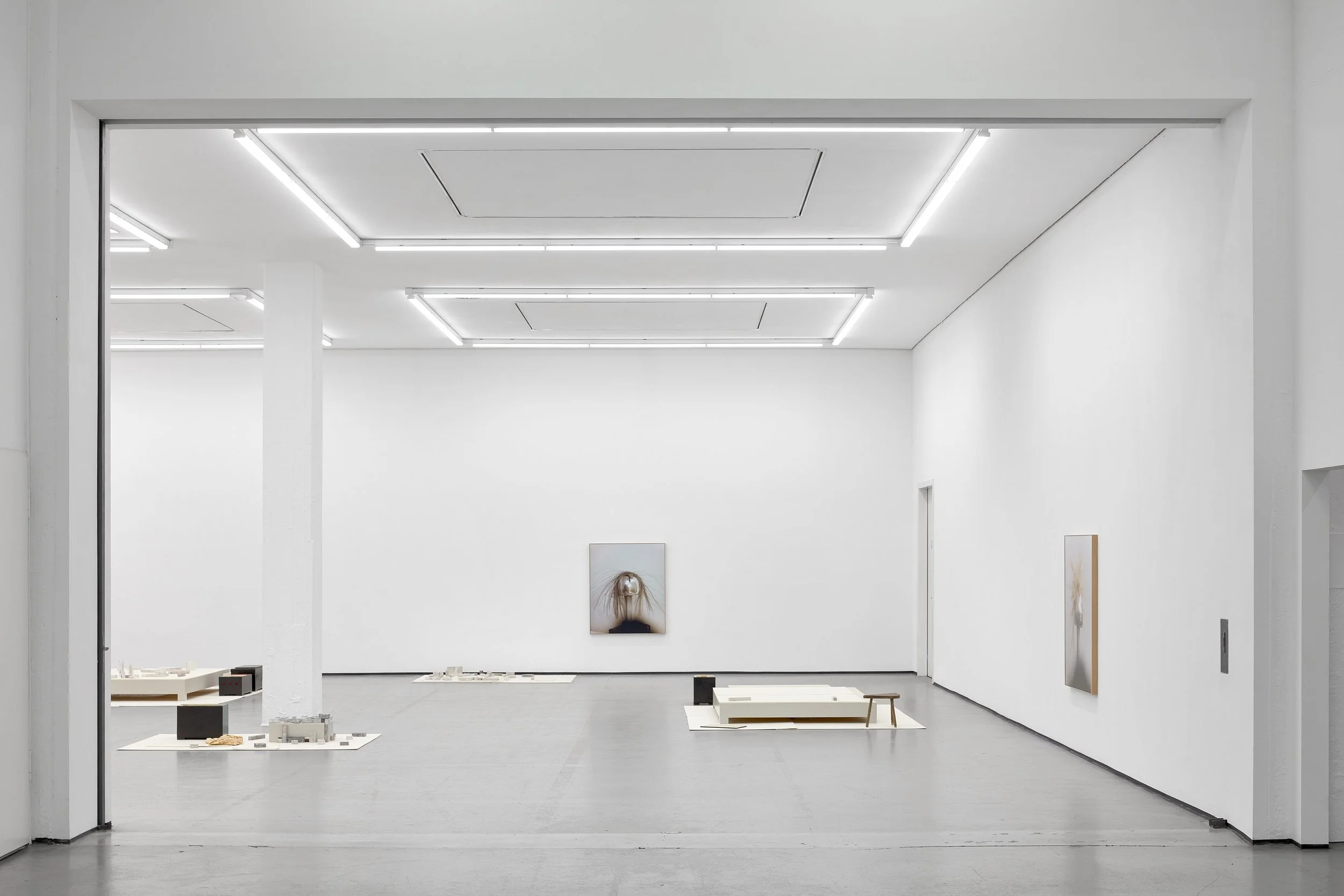
Sample Question, an exhibition by Nina Porter. This marks the first institutional solo presentation of the artist and comprises new works commissioned on the occasion of the 9th Triennial of Photography Hamburg 2026.
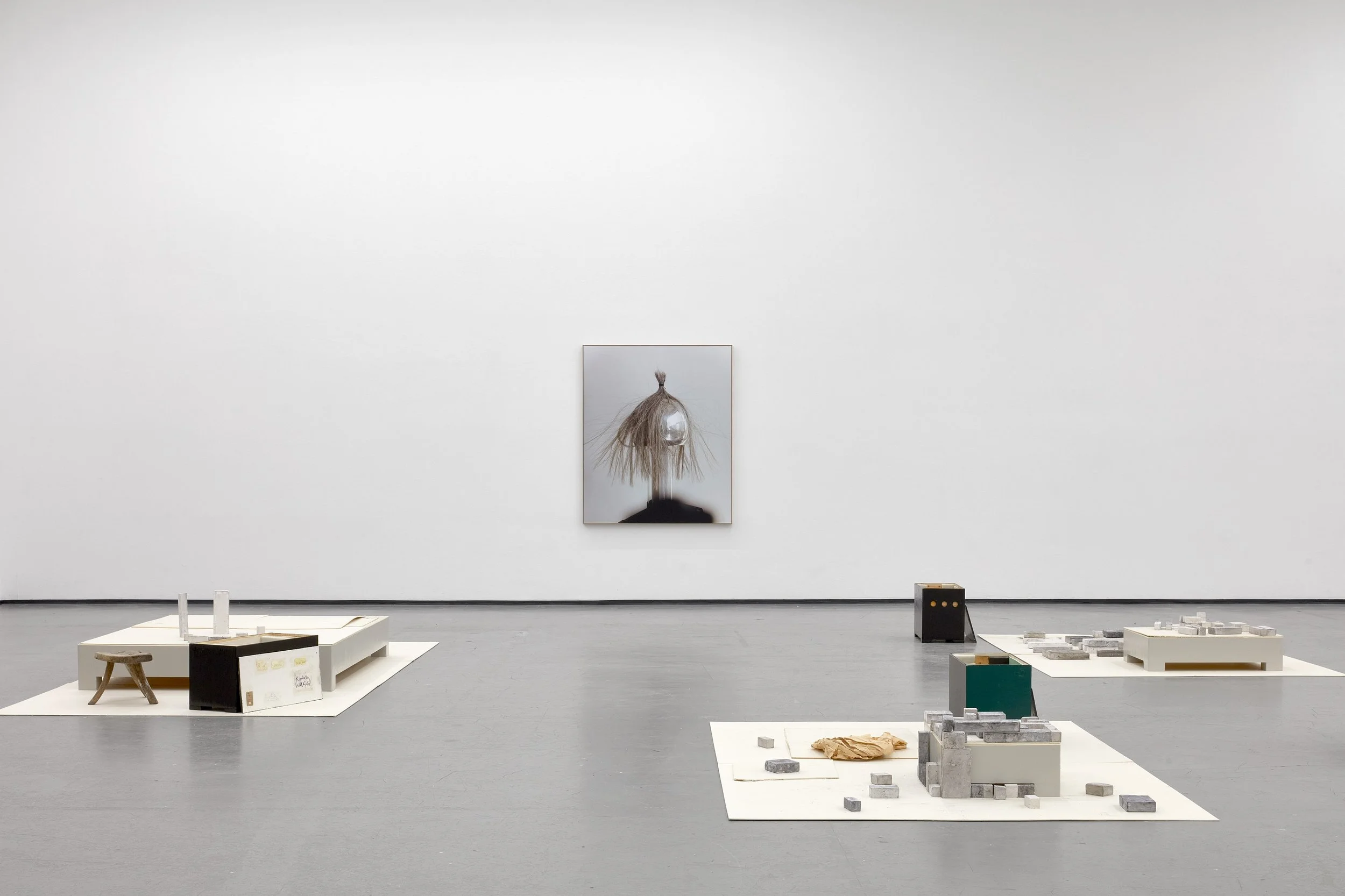
Sample Question ruminates on matter in elemental and diminutive forms, positioning a series of photographs as one part of the exhibition’s conceptual centre. Evoking portraits of electrified fibres, the photographs abstract the objects pictured within them, capturing an enigmatic process of self-consciousness and becoming that exceeds the condition of inanimate things. Indeed, the objects represented in these images recede from focus, as does the electric charge briefly animating the strands, giving prominence to what these entities become when they are framed together, and the charisma they emit.
Elsewhere, bricks made of compressed ash are organised into clusters throughout the gallery, demonstrating a full inversion of force—energy flows outward to galvanise the fibres, while energy concentrates inward to produce the bricks, both instances giving form and new meaning to inert and minor matter. The bricks are iterations: they come nested in wooden boxes, configured as diverse sets across the room. Although produced in elementary, graduated sizes, the bricks do not identically repeat but instead bear traces of their heterogeneous sources—Porter gathered a steady supply of ash from voluntary contributors, who most often gave their fireplace cinders; small fragments of residue or uneven tones betray some evidence of what came before.
There is an attention to lived perceptual experience, and yet the works presented here also point to the limits of physical presence. These eccentric and mute objects strain to be understood. As the works that form Sample Question, they are the yield of a practice interested in potential and to qualities more readily felt than seen, where vision is destabilised in the hierarchy of the senses. Although many of the works are dependent on formal properties, Porter’s efforts ultimately lead towards a central and immaterial knowledge.
A series of five films will be screened on select Thursdays throughout the exhibition, referred to here as “sample questions”. A mix of artist moving image and narrative films, the sample questions are of varying lengths and constitute an additional module to the exhibition: they are neither evening events nor a constant feature of the display, but instead a transitory and transient extension of the artist’s project.
Curated by Sarah Messerschmidt
Images courtesy of the respective artists, galleries, and, where applicable, photographers. All rights remain with the copyright holders.
Photography: Edward Greiner
Scene XIX: Corn Maze
Sara Birns @Matt Carey-Williams, London.
Spotlight: September 9th, 2026
Sara Birns@Matt Carey-Williams, London. 03.09.26 - 25.09.26


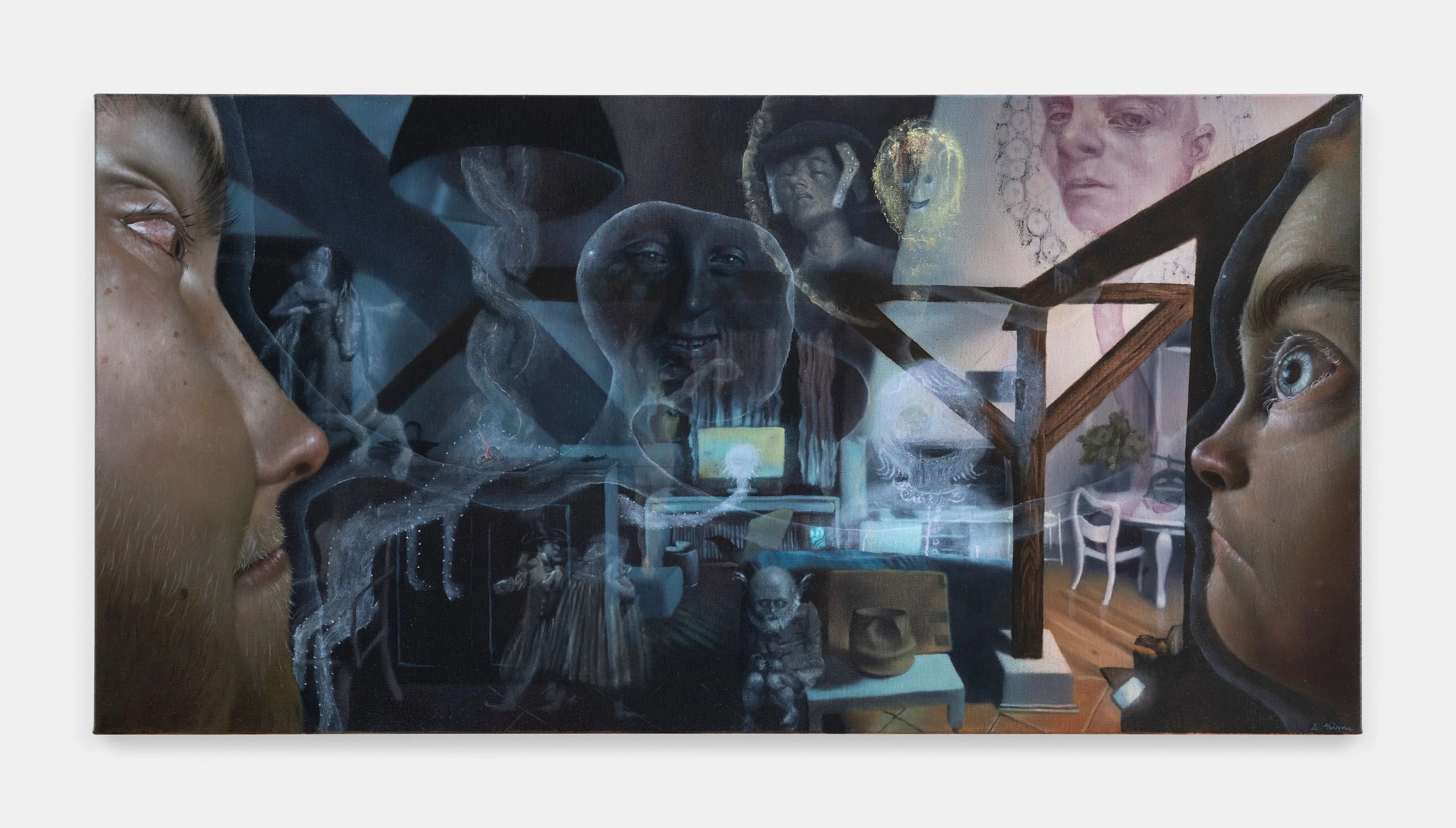
“Nothing screws with memory like repetition.”
- Stephen King, Joyland
A county fair is, among other things, an exhibition.
For a few days, private things are brought into public and arranged for inspection. Horses. Pumpkins. Quilts. Pies. Paintings. Plumage. Dahlias. Bodies. Families. Appetites. Everyone brings their best something. Then somebody gives it a ribbon.
The history of the American county fair is full of this peculiar enthusiasm for measuring one thing against another. A place where your family sees other families. Where girls grow up beside one another and compare themselves against one another. Somewhere in the wider fairground imagination sits the hot-dog eating contest. For a period in the early twentieth century, even the baby could be entered.
Behind the folksy optimism lies the violent fantasy that human value could be made individual, visible and measurable. It is an interesting place to become a person.
A corn maze is another structure organised around judgement – of choice and confusion. A place built to lose yourself in. Childhood fun and panic.
Throughout Corn Maze, Sara Birns paints bodies, memories and psychic debris into a fairground of collective feeling. A place where hive minds, corn dogs, water, denim, tricksters and third eyes move through the same strange weather.
The county fair emerges here as a social organism. Everyone is watching and everyone is being watched. This is one of Birns’s quieter subjects: the strange intimacy of crowds.
The fantasy that we are connected. The fear that we are not separate enough.
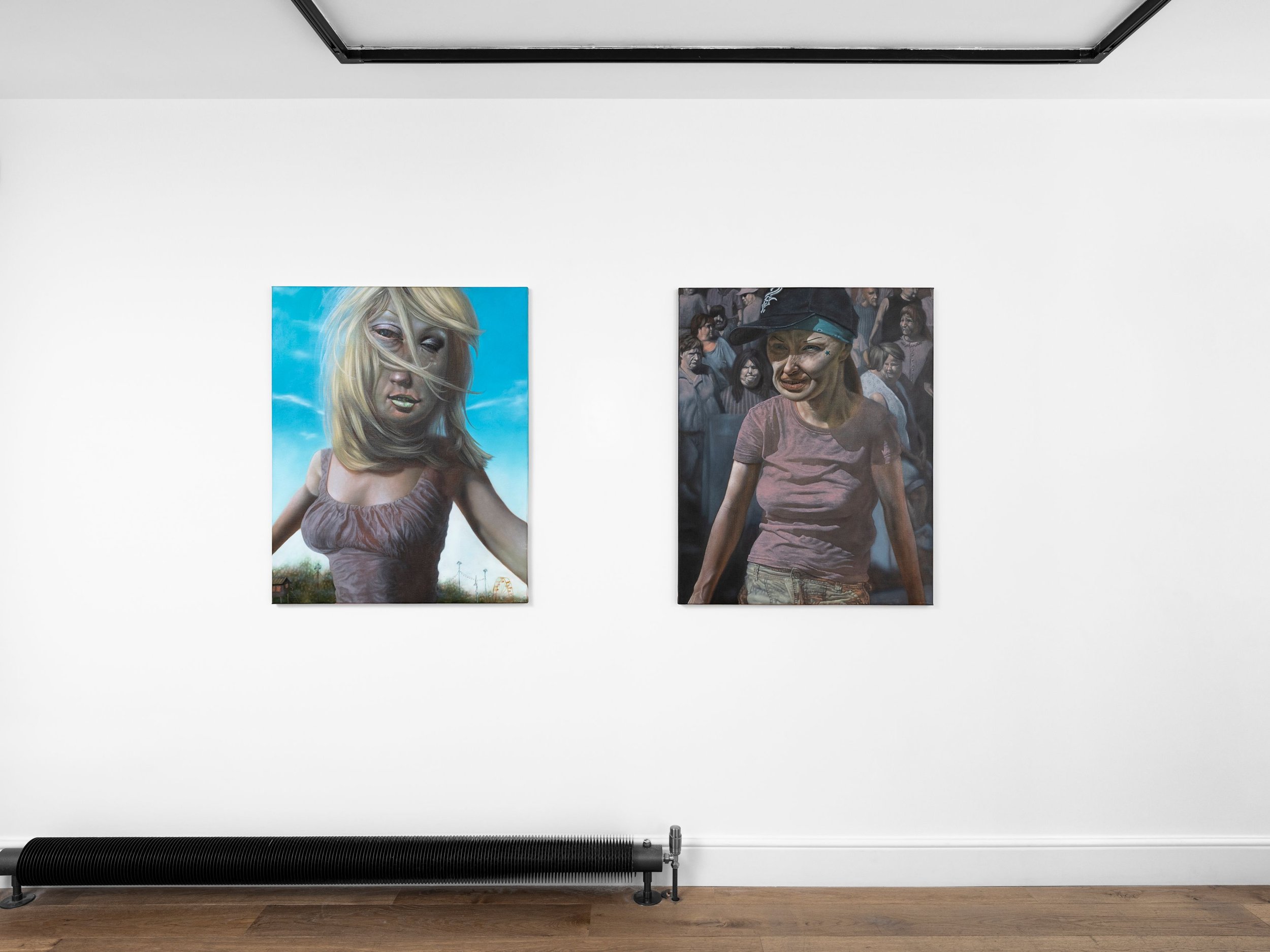
Birns describes the particular feeling of the American county fair as something she could only see after moving outside of it. Her images draw from her memory, but also from an archive of early–2000s fair photography, a visual era of flip phones, frosted lips, and sunburn. Birns takes these already unstable photographs and memories, and disrupts them further. She paints her own features into the faces of strangers. One side of a face appears to hold a different emotion from the other. She knows that a remembered face is rarely preserved with neutrality. The resulting profiles are uncannily convincing because Birns understands how aggressively we read them. Perhaps every self-portrait is also a group portrait.
The resulting works touch on Freud’s idea of the uncanny: the strange disturbance produced when something deeply familiar returns in an altered form. His essay returns repeatedly to doubles, involuntary repetition, the doppelgänger, the evil eye and a disturbing uncertainty that is created when the self becomes unreliable.
This is part of Birns’s humour too.
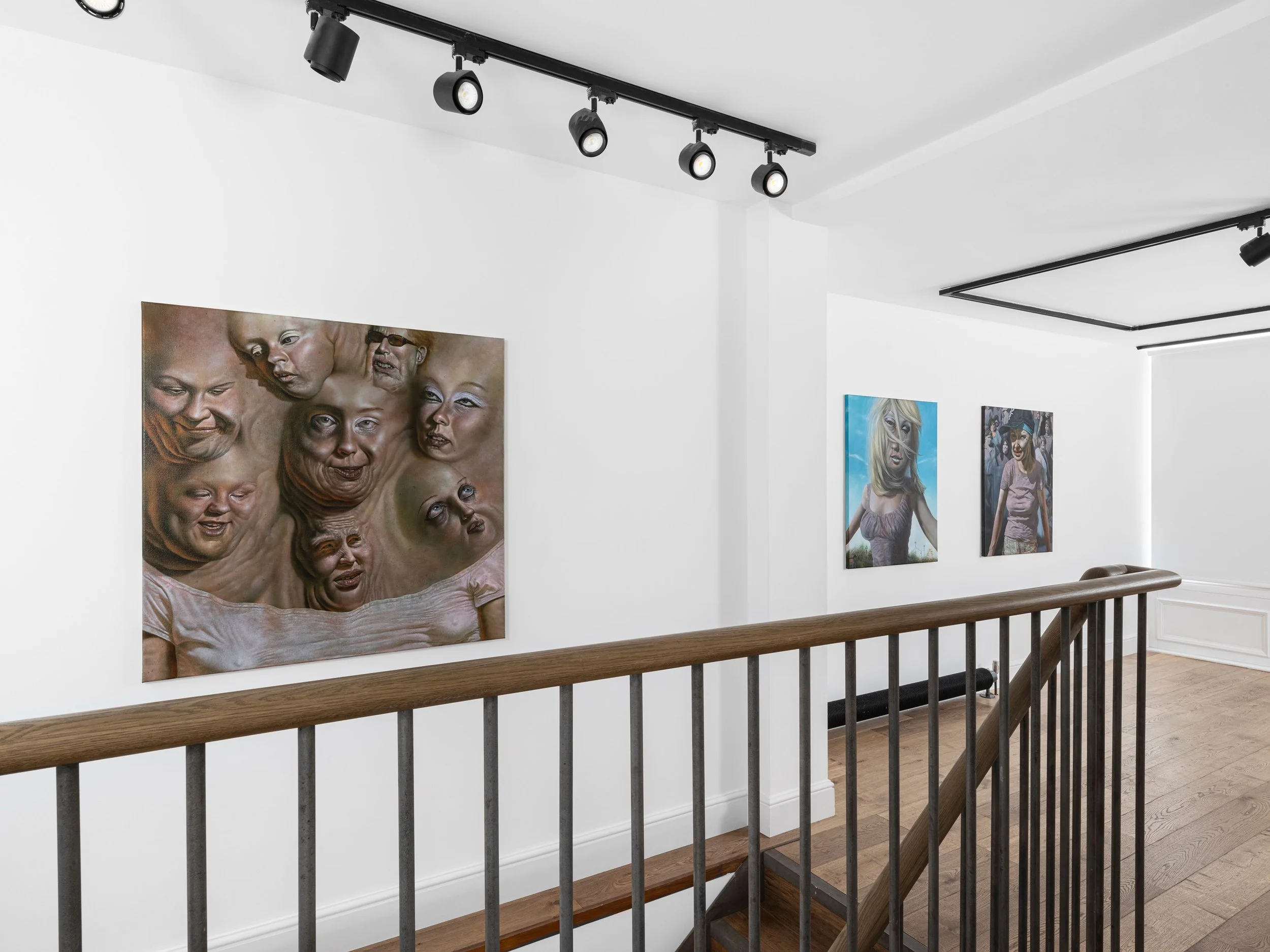
In Circle of Love, for example, faces turn toward one another in a reverse clockface while the central figure looks outward. The viewer is quietly folded into the circuit, simply by looking. It is the Ferris wheel of the exhibition: faces arranged around an implied rotation, each caught in the orbit of the others. There is something tender and also claustrophobic about the work, as the faces become one communal organism wearing the same shirt. Birns works with traditional structures – diagonals, thirds, old master procedures and carefully rendered fabric. Folds of clothing echo folds of neck and flesh. The paintings please the eye in order to destabilise it.
Built through underpainting, grisaille and layers of glazing, the works carry an old-master seriousness beneath their strange, contemporary theatre. In Frosted Lips and Beard Burn, a single figure parades the canvas, blonde hair blown across her eyes, mouth wet with shimmer. One eye is open; the other sinks into shadow. Pain and sultry performance sit together. Exhaustion and glamour. Every portrait is, somehow, a self-portrait. Even when it is not.
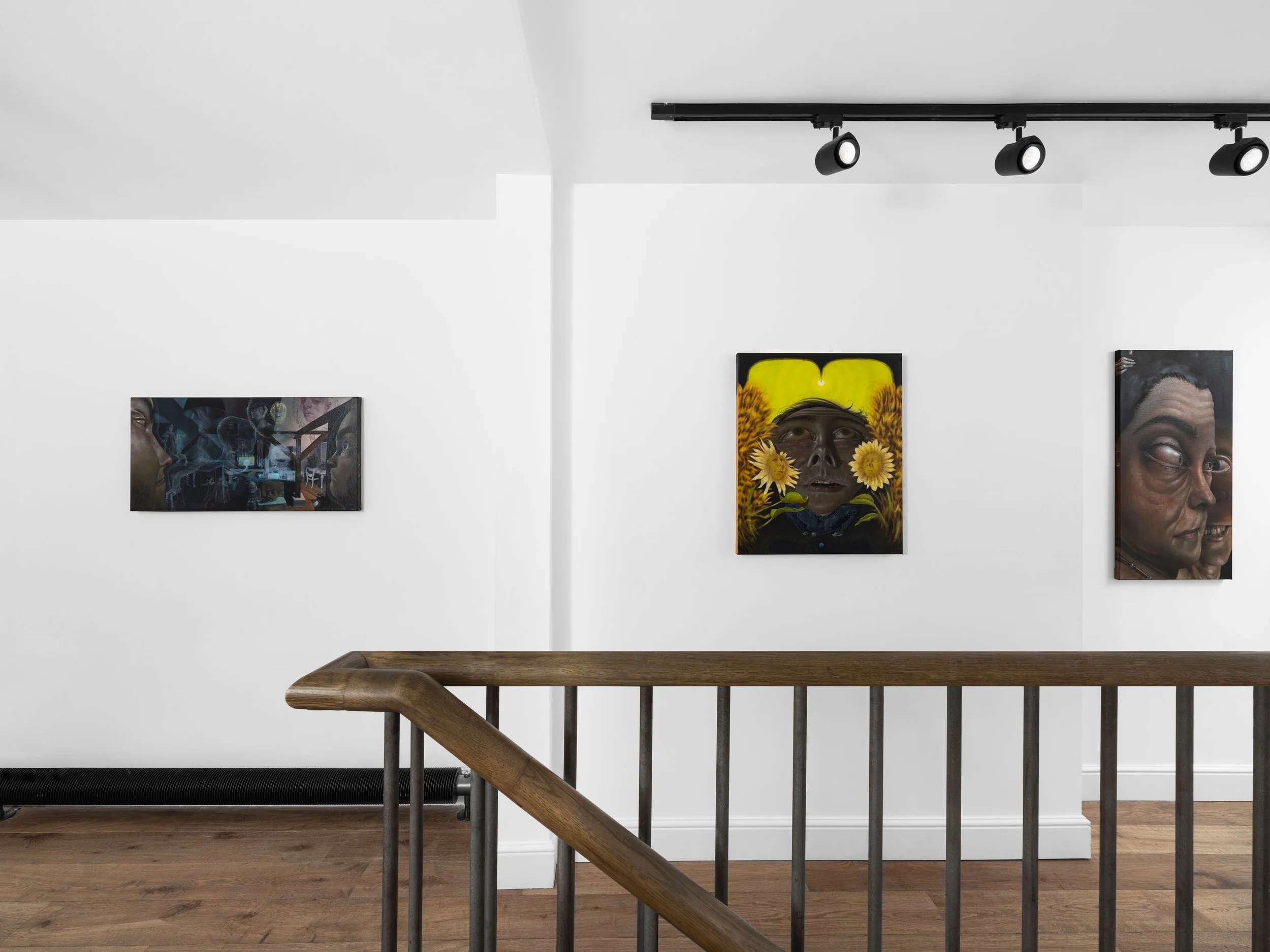
For years, Sara has kept journals of thumbnails, sketches and affirmations. One of which (‘I will not be possessed by my personality’) is referred to in the title of a work – Possessed by My Personality. It is the first of three darker toned works created while living in Poland. It features the interior of her apartment there, with Sara and her Partner’s profiles bookending the piece. Their faces are spliced, drawn together and apart by a central apparition, as though the shared experience of a relationship has become its own third presence. The space is domestic with elements of a normal room, but it is not stable. Her adoration for painter Richard Dadd is displayed in figures borrowed from his paintings – elves and fairies – sitting among the detritus. A face from Delaroche’s The Execution of Lady Jane Grey also appears in the background. She sees the work as a metaphysical maze – the loops of being isolated.
The largest painting in the exhibition is also its final work, and its nucleus. Birns gathers many of the motifs of Corn Maze into one crowded field, pockets of normalcy interrupted by pockets of surreality. The central figure appears twice, split in the composition, playing into the logic of a collected consciousness. The figure is both one person and several, caught in the strange drift between individuality and collective feeling. The painting asks one of the exhibition’s central questions: What happens to the individual in a crowd?
Above them, or behind them, or somehow inside them, an eye looks down.
The Eye of the Gathered Glob.
It recalls old religious paintings: a divine gaze, an omniscient force, a strange authority watching from above. But here it is not clear whether this force is creating, guiding, controlling, or simply reflecting the collective back to itself. From it, a spiderweb shoots across the scene, connecting to each of the third eyes of the figures below. The web is delicate, ridiculous, sacred, sticky. Its threads suggest the invisible structures between us: family systems, social codes, memory, intuition, gossip, desire, shame. The things we inherit without seeing. Perhaps there is a darker vocabulary alongside, of entrapment and over-connection. The internet itself was enthusiastically imagined as a web: an image of frictionless human connection. A web connects because a web catches.
Water droplets rest on each thread. Birns has become interested in esoteric ideas concerning water, energy and language: the proposition that words or emotions might somehow imprint themselves onto matter, that bodies might retain vibrations beyond the systems through which contemporary science ordinarily explains them.
Human beings are watery organisms walking around with surprisingly strong convictions about being self-contained.
At the centre of Corn Maze is the question of what connects us. In Corn Maze, Birns paints the strange intimacy of crowds and the loneliness of being inside them. She paints memory as a field one wanders through, full of wrong turns, bright stalls, hidden forces and returning faces.
A fairground at the edge of the self.
Text by: Mollie E. Barnes
Images courtesy of the respective artists, photographers, and, where applicable, galleries. All rights remain with the copyright holders.
Photography: Alexei Izmaylov

Berlin Art Week
Contemporary art takes centre stage in Berlin for five days. 10.09.26 – 17.10.26
Spotlight (Preview): August 7th, 2026
Berlin Art Week, fifteenth anniversary. 09.09.26 – 13.09.26, contemporary art takes centre stage in Berlin for five days.
Press Release
From 9 to 13 SEP, Berlin Art Week celebrates its fifteenth anniversary. With more than three hundred events, including over one hundred exhibition openings, contemporary art takes over the capital: one hundred and twenty -five museums, private collections, project spaces, galleries, and the Positions Berlin Art Fair present the latest developments in contemporary art.
Berlin Art Week brings the diversity and energy of Berlin’s art scene together in one packed festival week. From major institutions opening their autumn exhibitions with us from Wednesday and galleries throwing open their doors with new presentations for ‘Gallery Night’ from Thursday, to independent project initiatives taking centre stage during ‘Featured Night’ on Friday and private collections opening doors that otherwise often remain closed over the weekend: for one week, we bring all these outstanding programmes together into a shared experience. That is what Berlin Art Week is all about: presenting new voices alongside established ones, bringing together diverse perspectives, and making art accessible to audiences even in places where they might not expect to find it, says Mona Stehle, Artistic Director of Berlin Art Week.


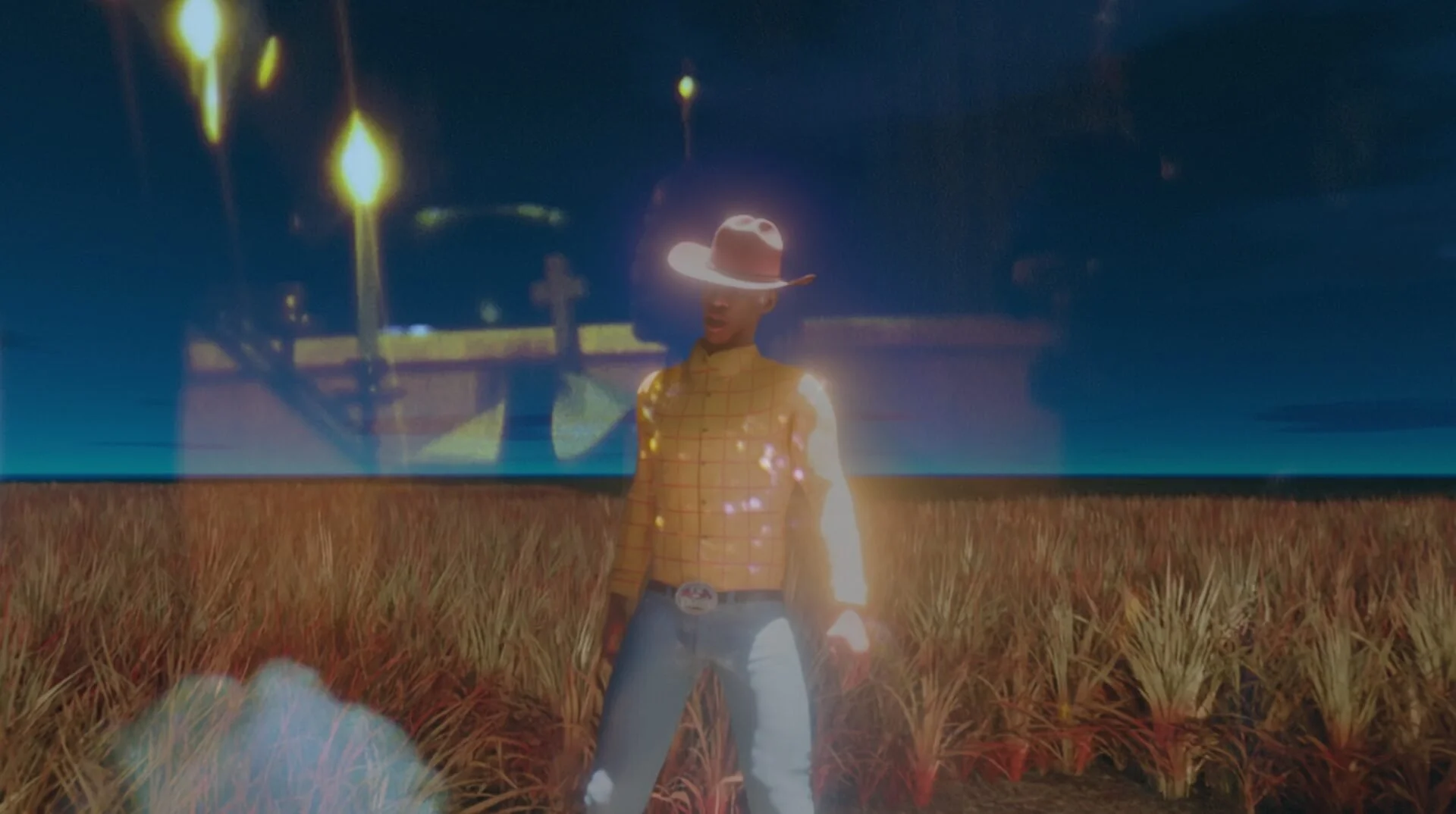
Gallery Weekend
Together with Berlin Art Week, Gallery Weekend Berlin invites all night owls to a Gallery Night on 10 SEP, 6—10pm. Around 50 of Berlin's major galleries will be showing new exhibitions in their gallery spaces throughout the city, as well as extended opening hours throughout the whole weekend:
Bastian Robert Rauschenberg/ Galerie Guido W. Baudach Andy Hope 1930 / Galerie Isabella Bortolozzi Wu Tsang / BQ Carina Brandes / Galerie Buchholz Alix Cléo Roubaud / Buchmann Galerie Jim Butler / Capitain Petzel Austin Martin White / carlier I gebauer Lúcia Koch,Group Show / ChertLüdde Stephanie Comilang, Clemen Parrocchetti / Contemporary Fine Arts Leiko Ikemura,Walter Pichler / Crone Clemens Krauss/ Dittrich & Schlechtriem Ersan Mondtag / Ebensperger Chicks on Speed,Bonnie Camplin / Galerie Eigen + Art Stef Heidhues, Lili Theilen/ Konrad Fischer Galerie Alan Charlton,Martin Margiela/ Galerie Lars Friedrich Oliver Coran / Galerie Friese Claire de Santa Coloma / Galerie Michael Haas Strawalde/ Haverkampf Leistenschneider Aubrey Levinthal, Biala, Tal R / Galerie Max Hetzler Sabine Moritz,Grace Weaver / Hua International David Horvitz, Alfredo Jaar, Zhang Peili / Anton Janizewski Marie Schubert/ Galerie Judin Michael Sailstorfer / Klemm's Julia Wachtel,Mia Gap, Freja Sofie Kirk/ Galerie Noah Klink Xavier Robles de Medina / KOW Heinrich Dunst, Sophia Eisenhut, Simon Lehner / Kraupa-Tuskany Zeidler Taína Cruz / Tanya Leighton Luisa Rabbia / alexander levy Sinta Werner, Julien Discrit / Levy Galerie Renate Bertlmann / Meyer Riegger Lin May Saeed / Galerie Molitor Nika Kutateladze / Mountains Nschotschi Haslinger / Galerie Nagel Draxler Lone Haugaard Madsen,Abdulnasser Gharem / Galerie Neu Jeremy Shaw/ neugerriemschneider Andreas Eriksson, Kim Chong Hak,Cevdet Erek, Billy Childish, Huddie Hamper, Scout Hamper/ Galerie Nordenhake Group Show: Karin Mamma Andersson, John Coplans, George Grosz, Edvard Munch, Benjamin Orlow, Frida Orupabo, Sophie Reinhold, Michael Schmidt / Pace Sascha Braunig, Kiki Kogelnik, Veronika Pausova, Loie Hollowell / Persons Projects Paweł Książek / Galeria Plan B Achraf Touloub / PSM Inga Somdyala / Esther Schipper David Claerbout, Tuan Andrew Nguyen / Galerie Thomas Schulte Kerstin Brätsch,Katharina Sieverding,David L.Johnson/ Société Salim Green / Soy Capitán Grace Weaver/ Sprüth Magers Walter Dahn,Jean-Luc Mylayne,Salvo / Walter Storms Galerie Raimund Girke / Galerie Barbara Thumm Fiona Banner,Carrie Mae Weems/ Trautwein Herleth Kate Mosher Hall / Galerie Tanja Wagner Group Show / Wentrup Gregor Hildebrandt/ Galerie Michael Werner André Derain / Barbara Wien Andreas Eriksson / Shahin Zarinbal Sinaida Michalskaja
The Gallery Routes group together the Gallery Night exhibition openings across different areas of Berlin, making it easier to plan your art tour.
Images courtesy of the respective artists, photographers, and, where applicable, galleries. All rights remain with the copyright holders.
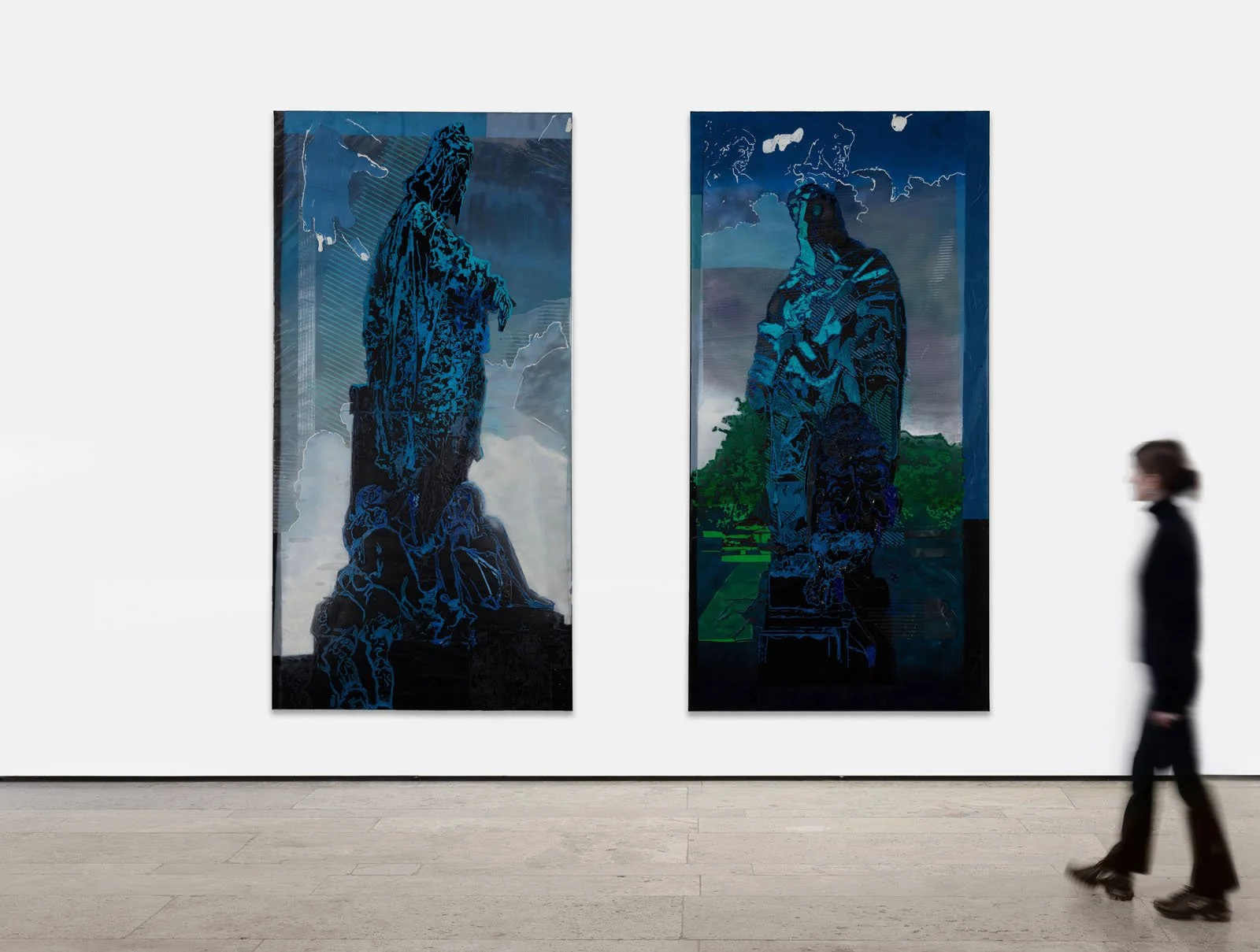
T̶h̶e̶ ̶L̶i̶e̶,̶ ̶t̶h̶e̶ ̶l̶a̶r̶p̶ ̶a̶n̶d̶ the lusophile
Austin Martin White @capitainpetzel, Berlin.
Spotlight: September 4th, 2026
Austin Martin White @capitainpetzel Berlin. 10.09.26 – 17.10.26
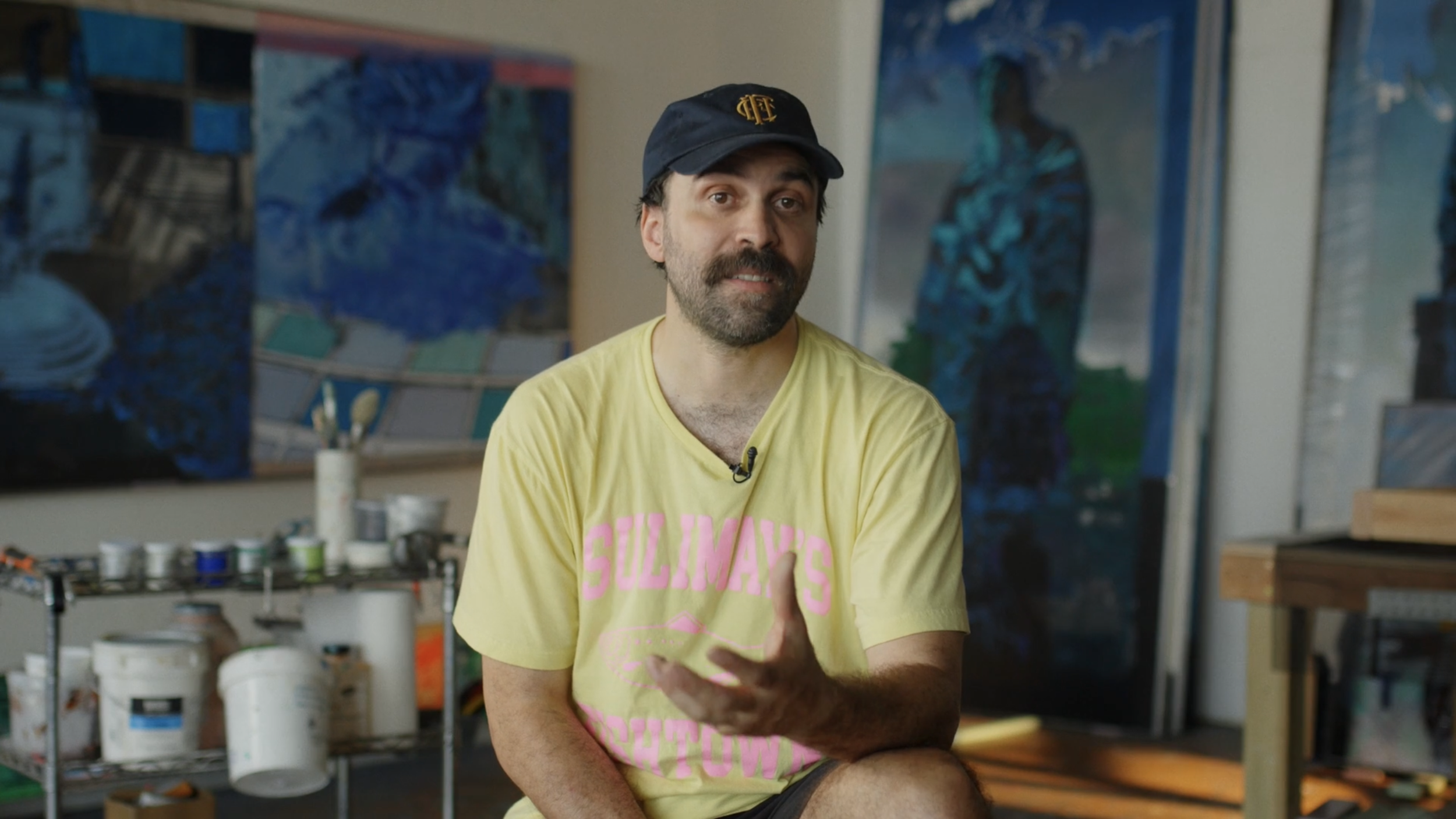
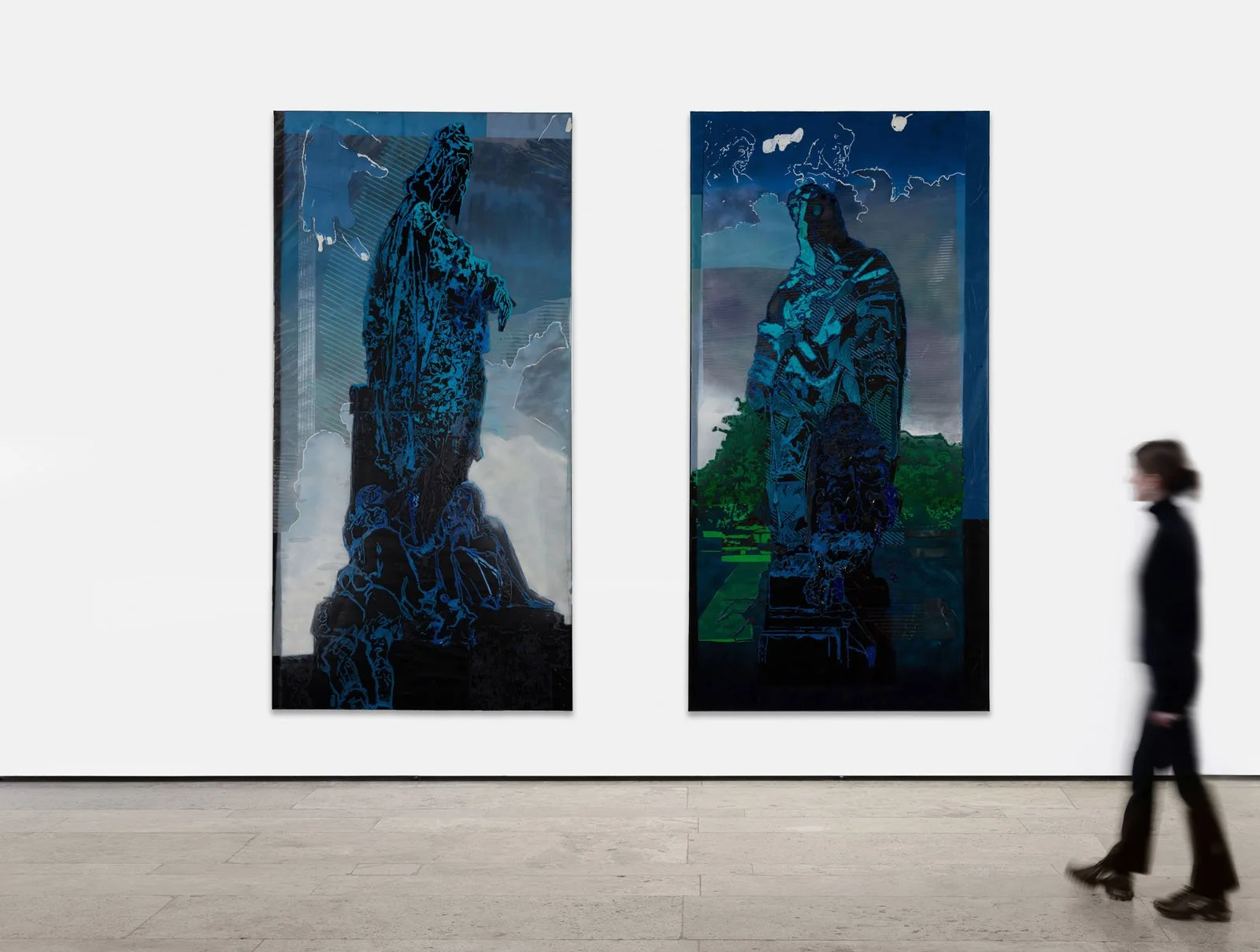
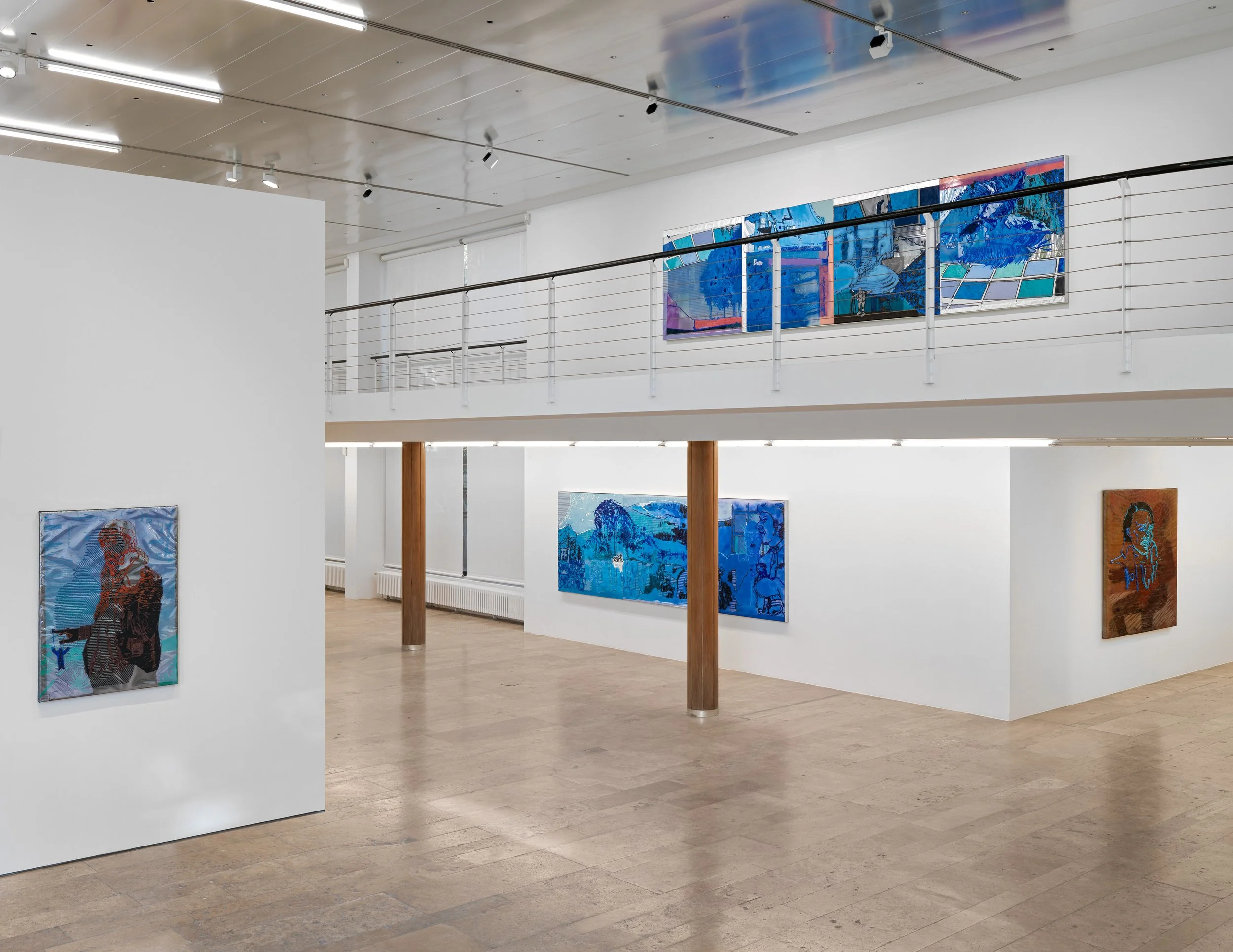
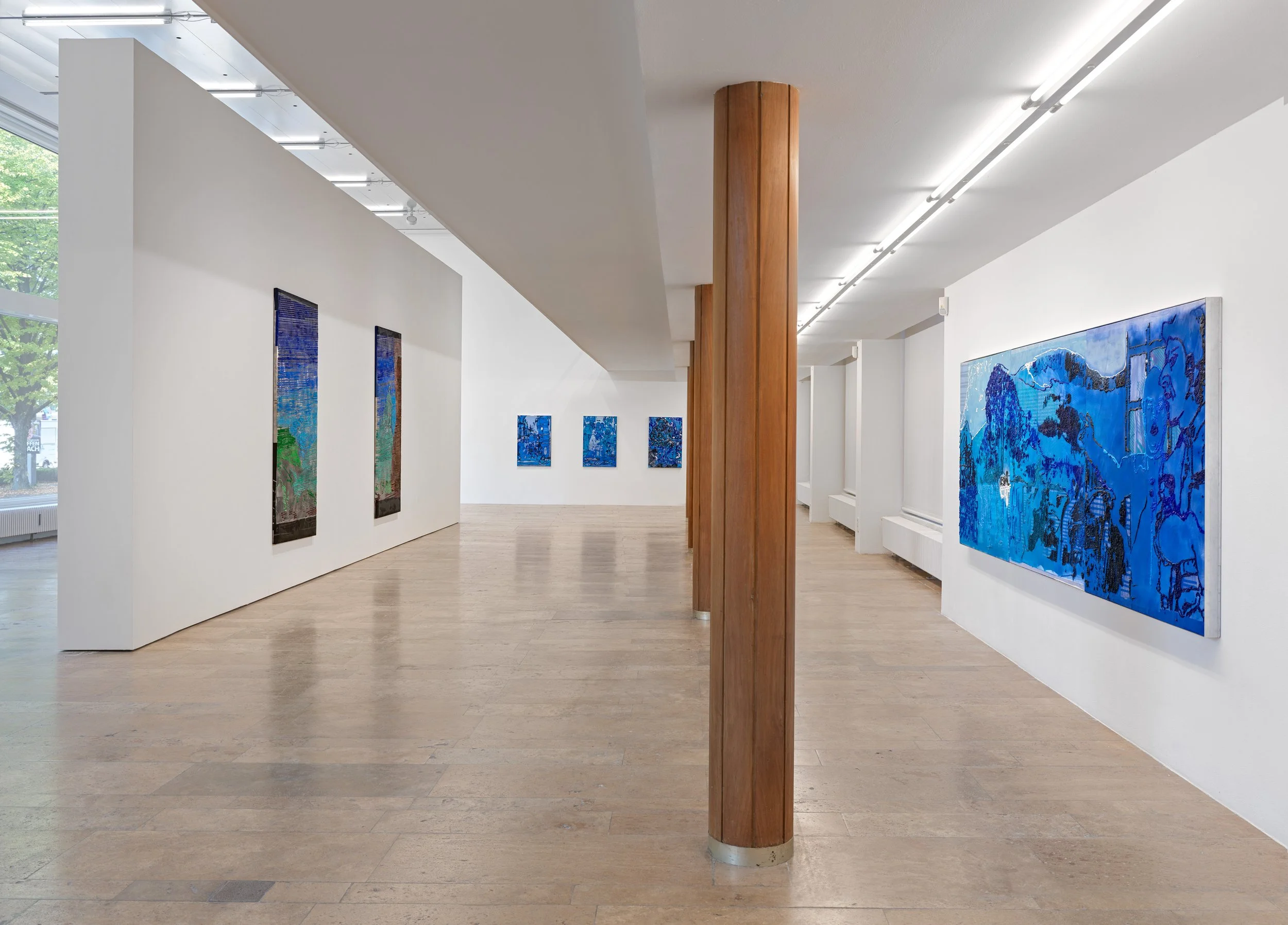
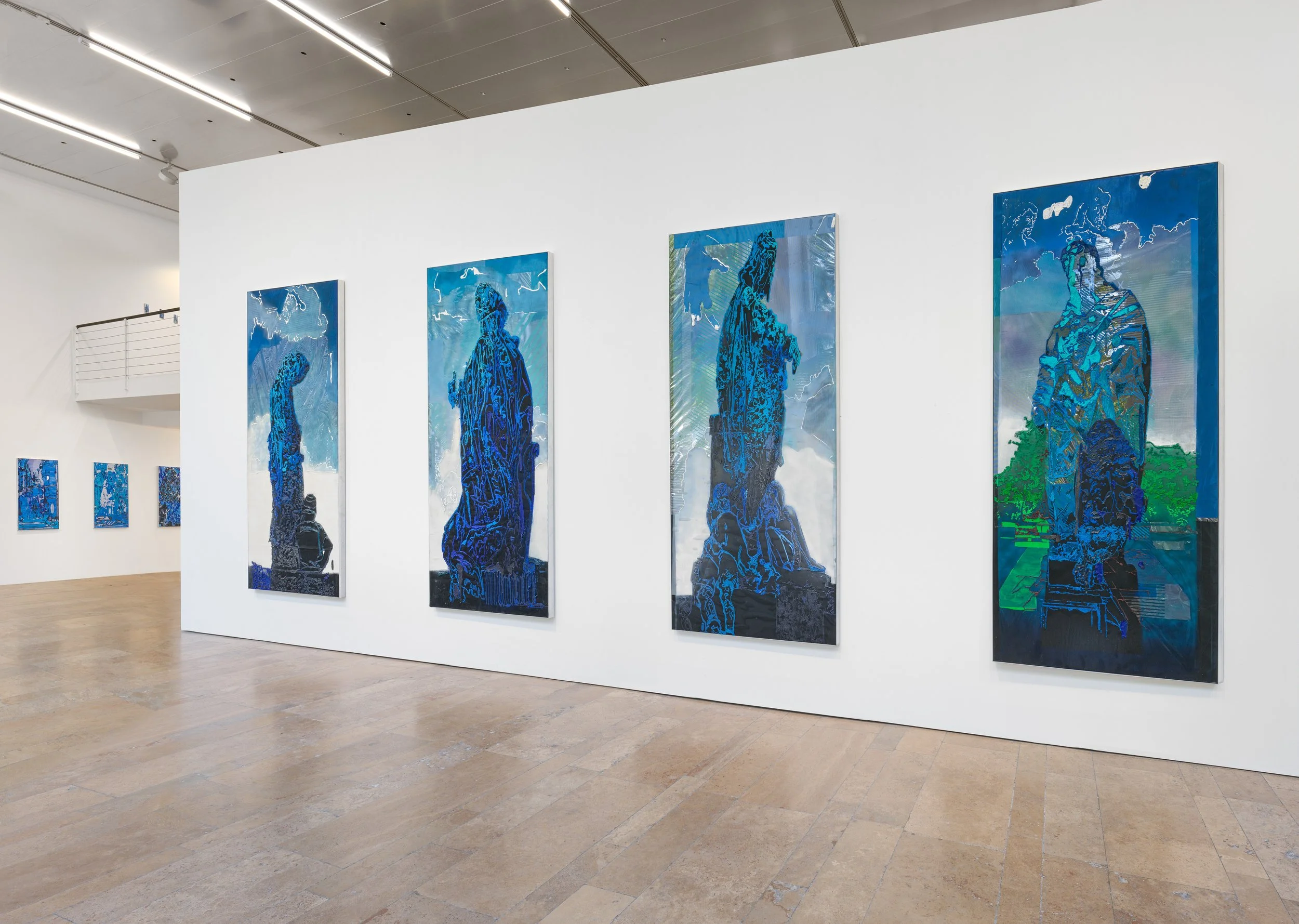
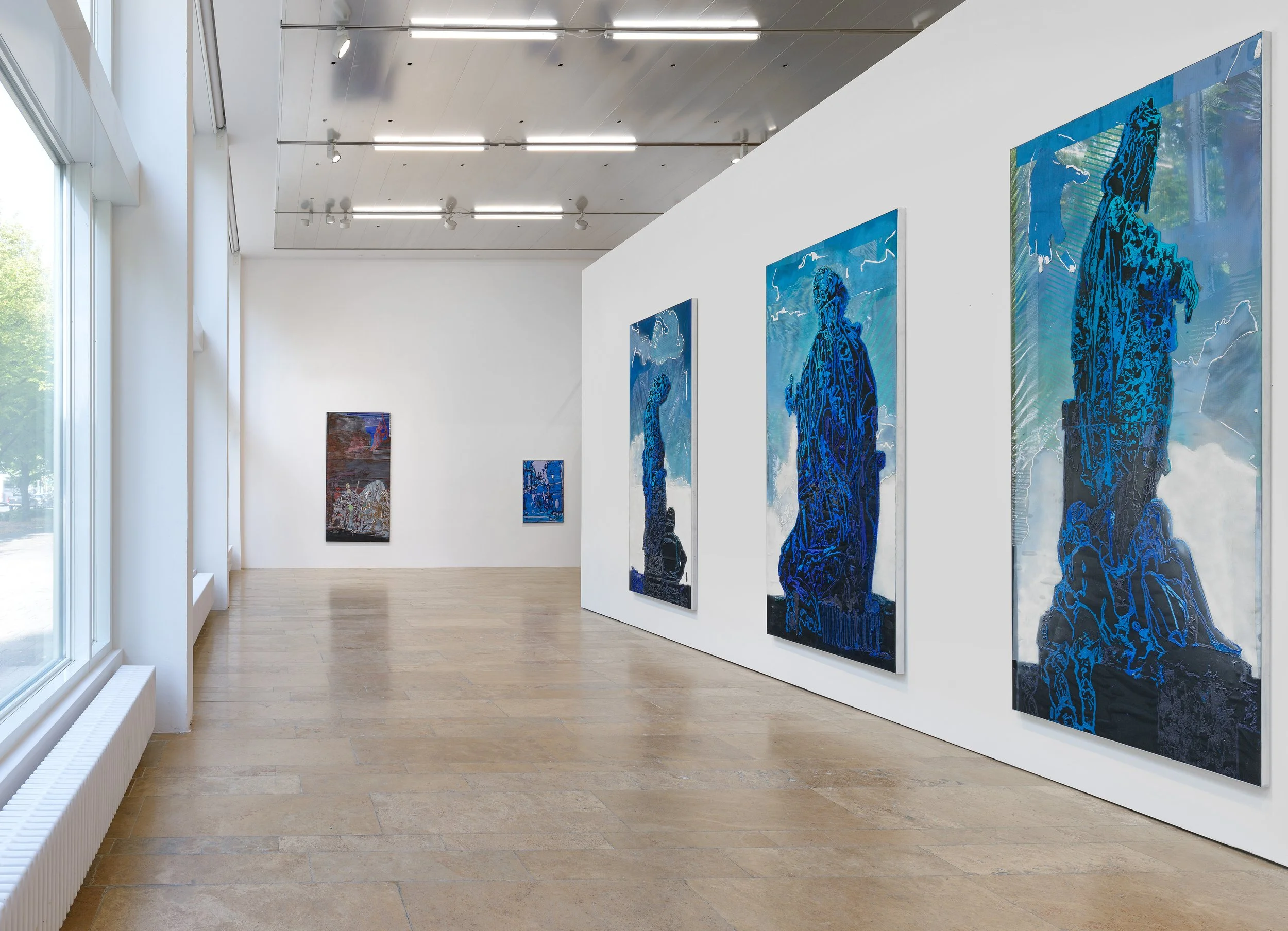
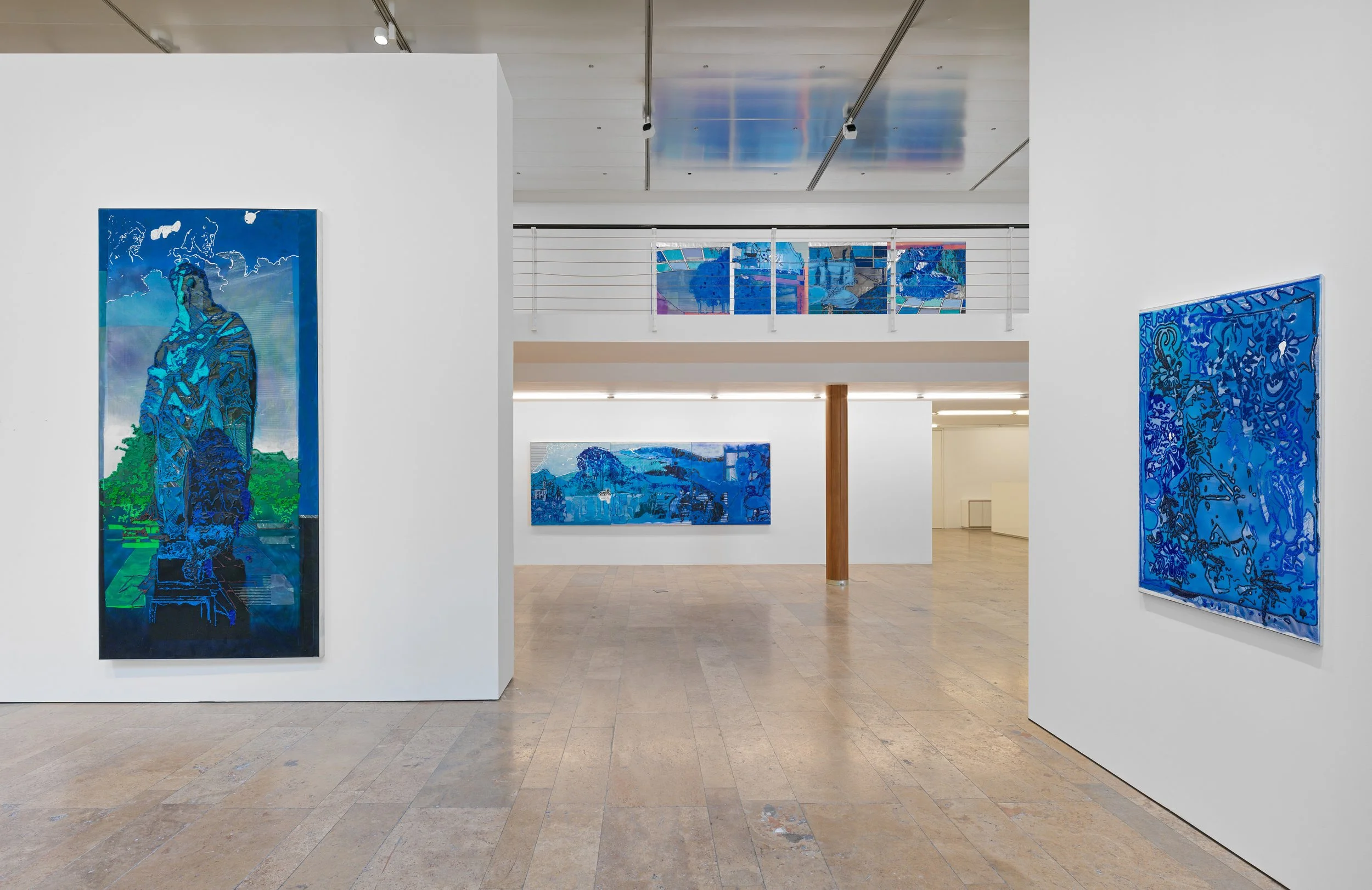
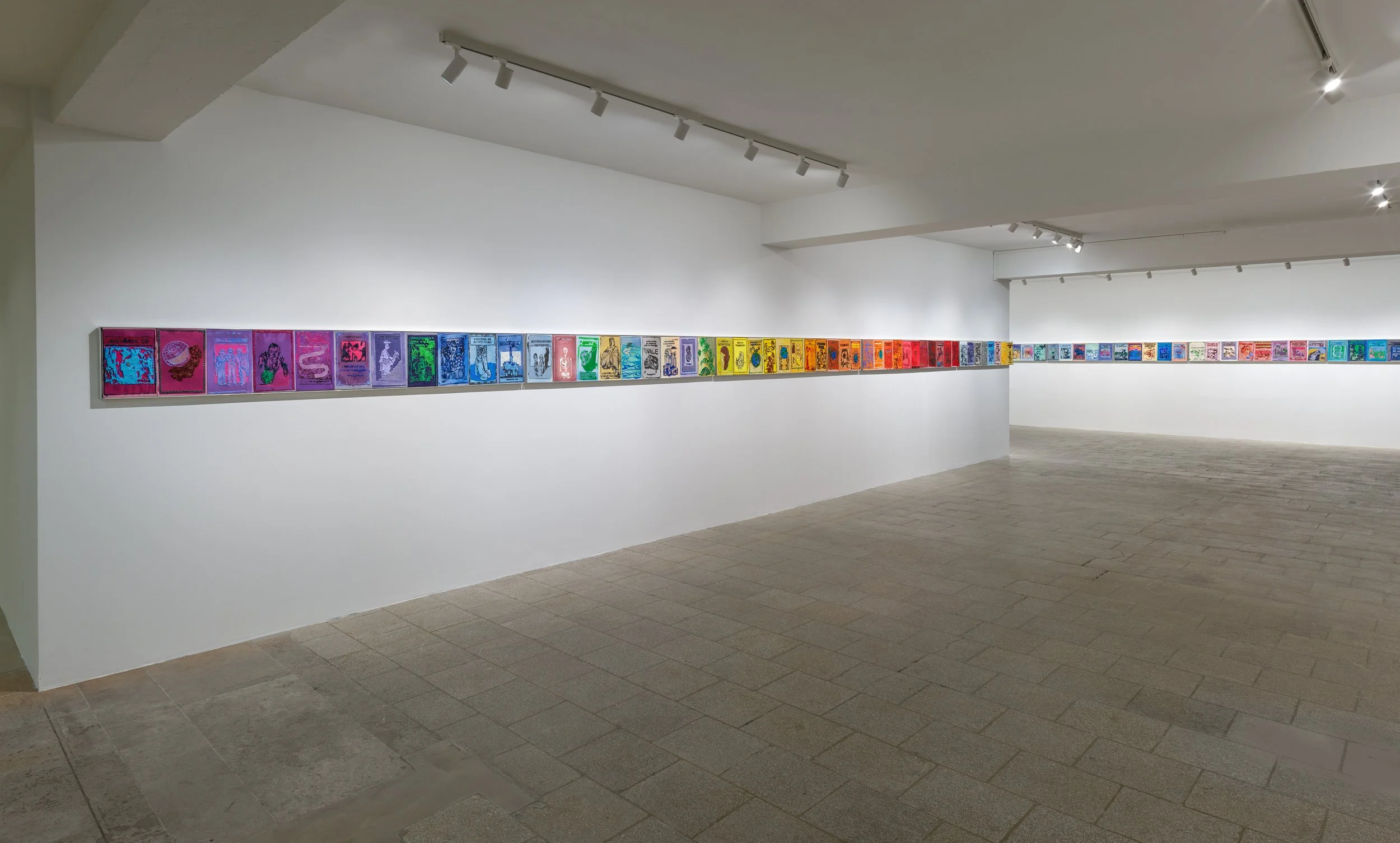
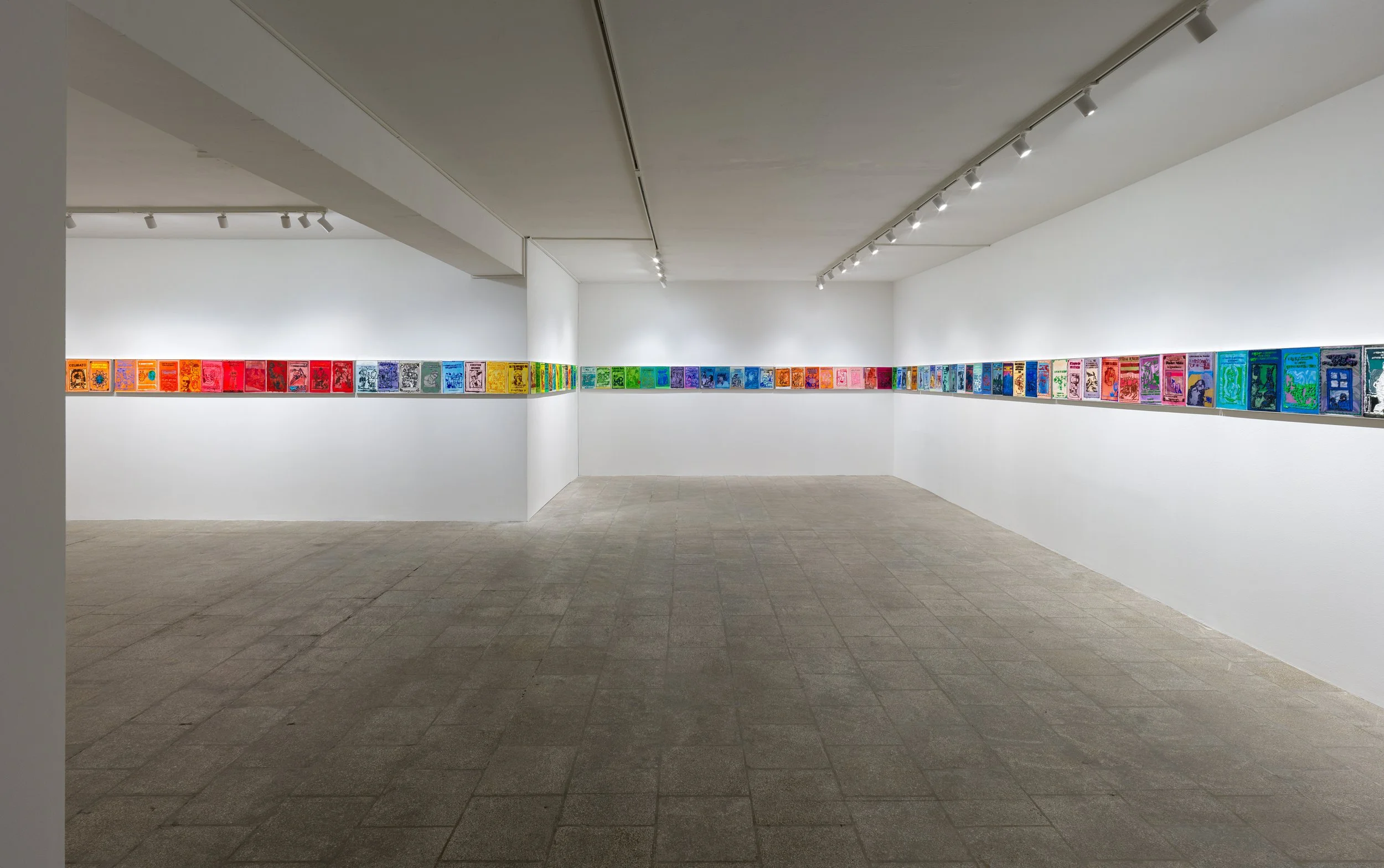
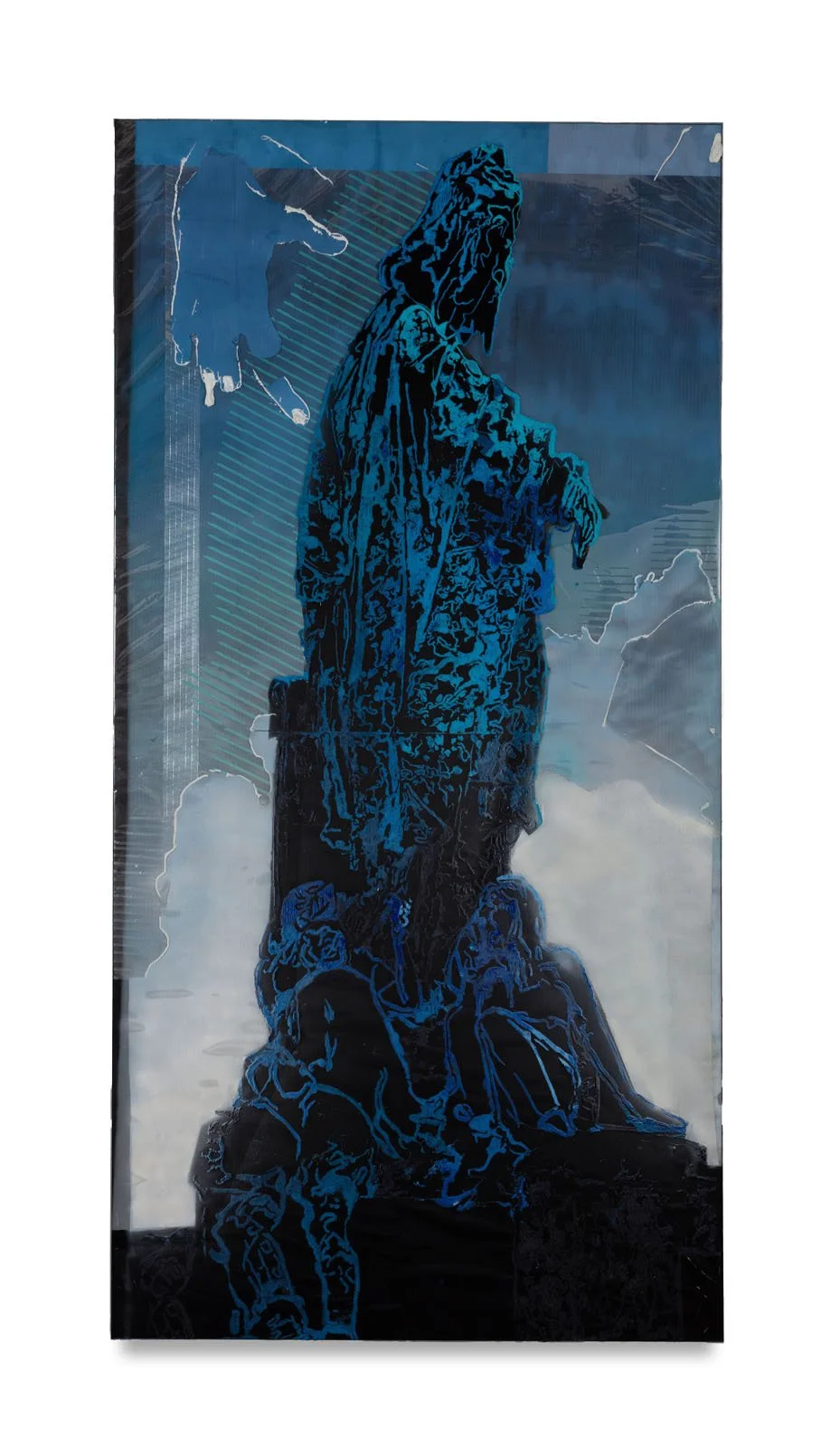
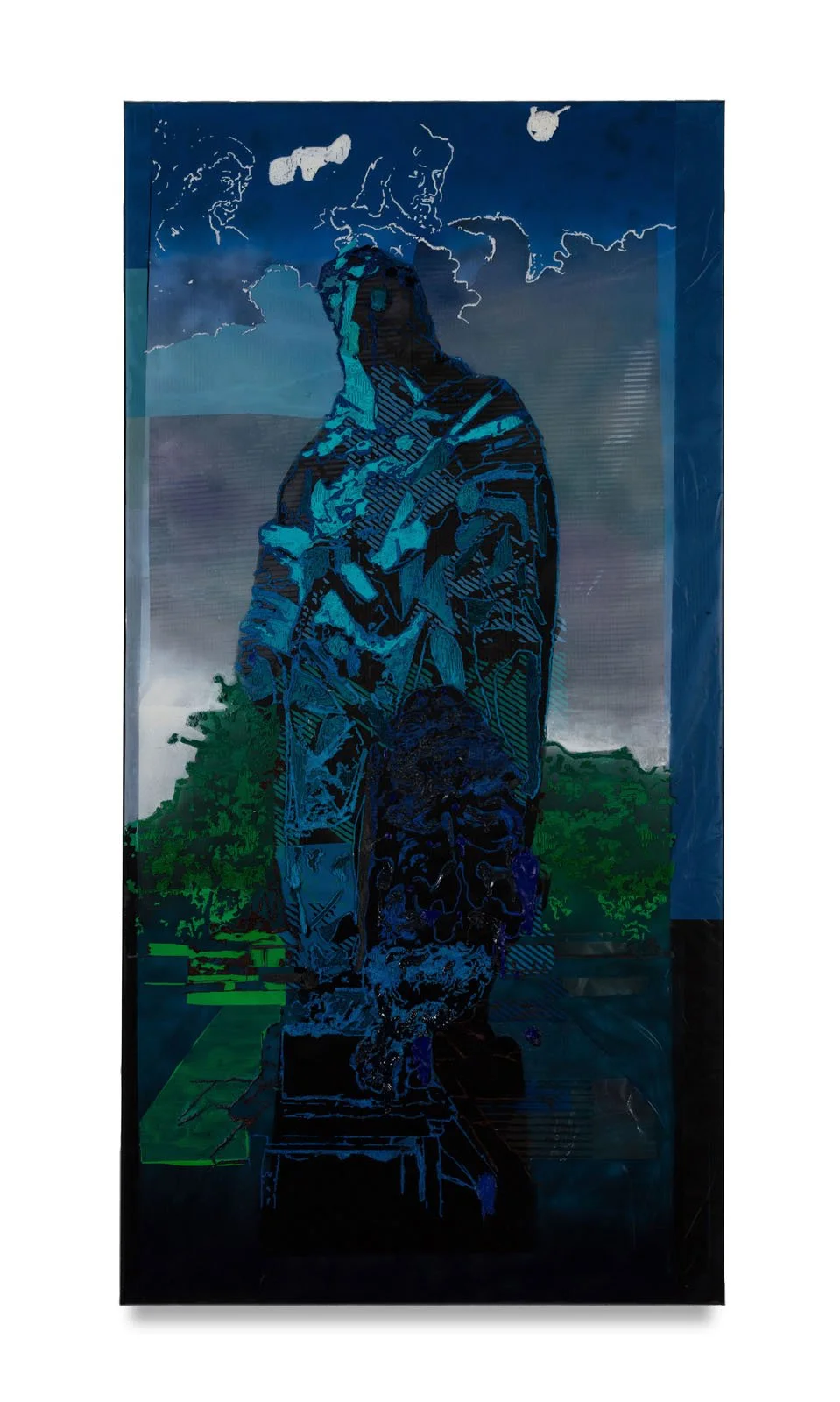
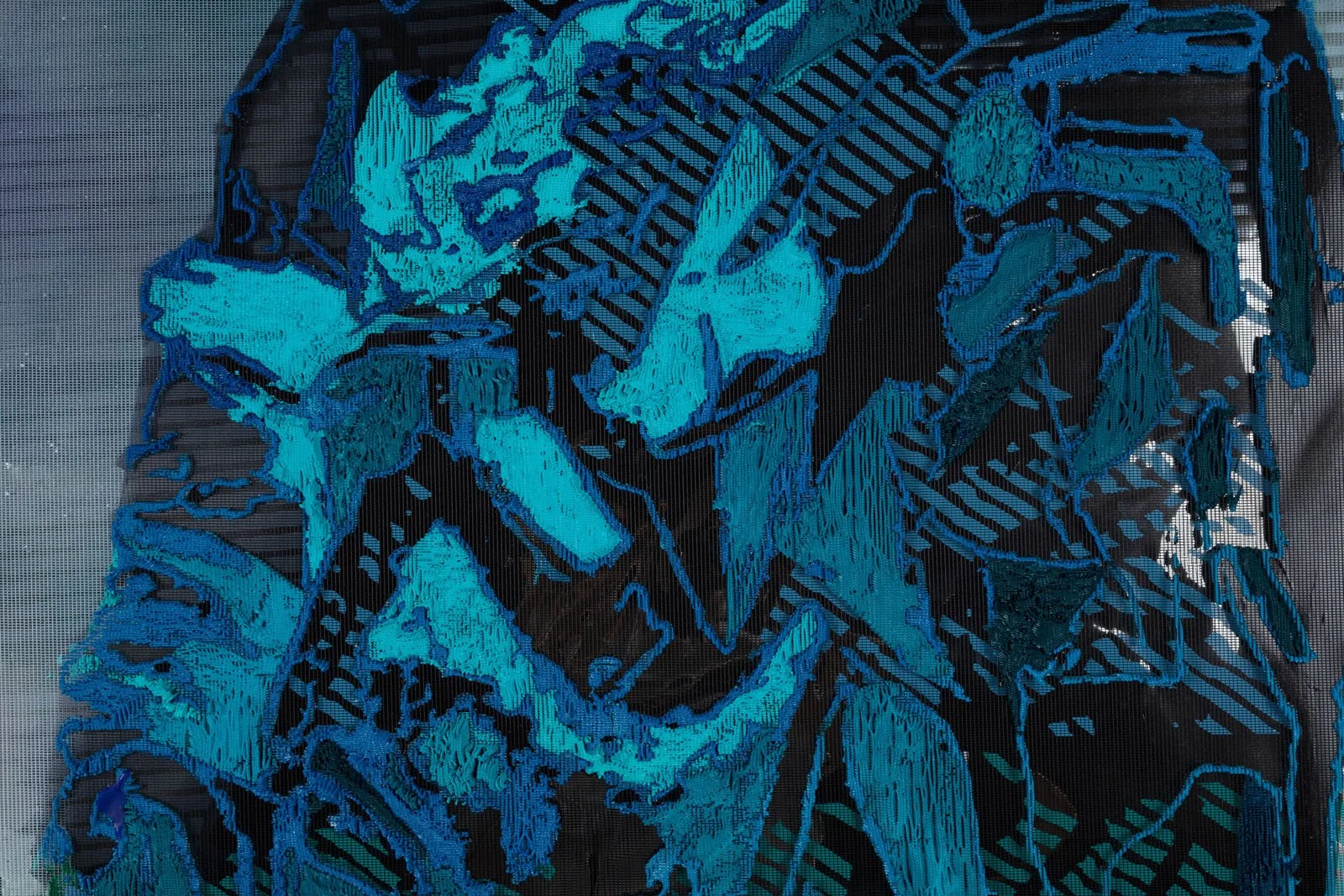
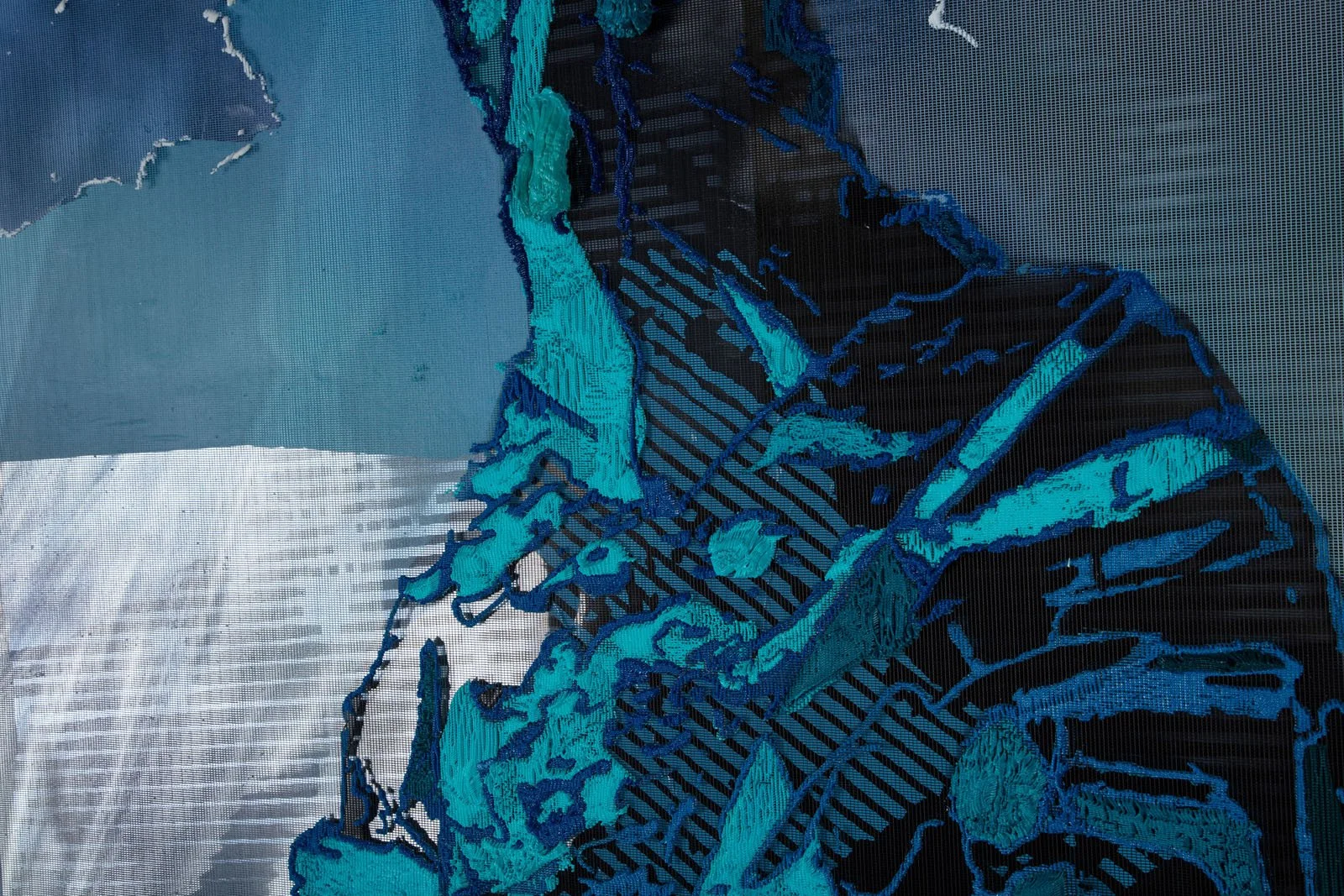
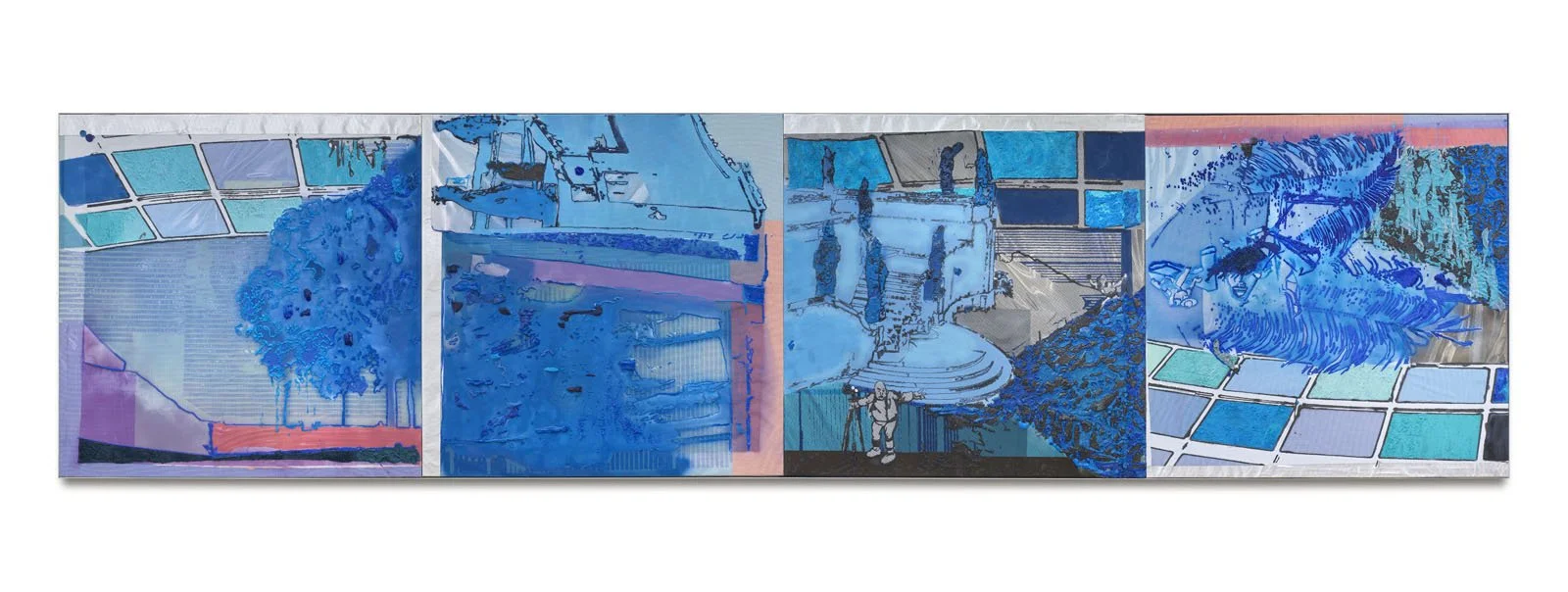
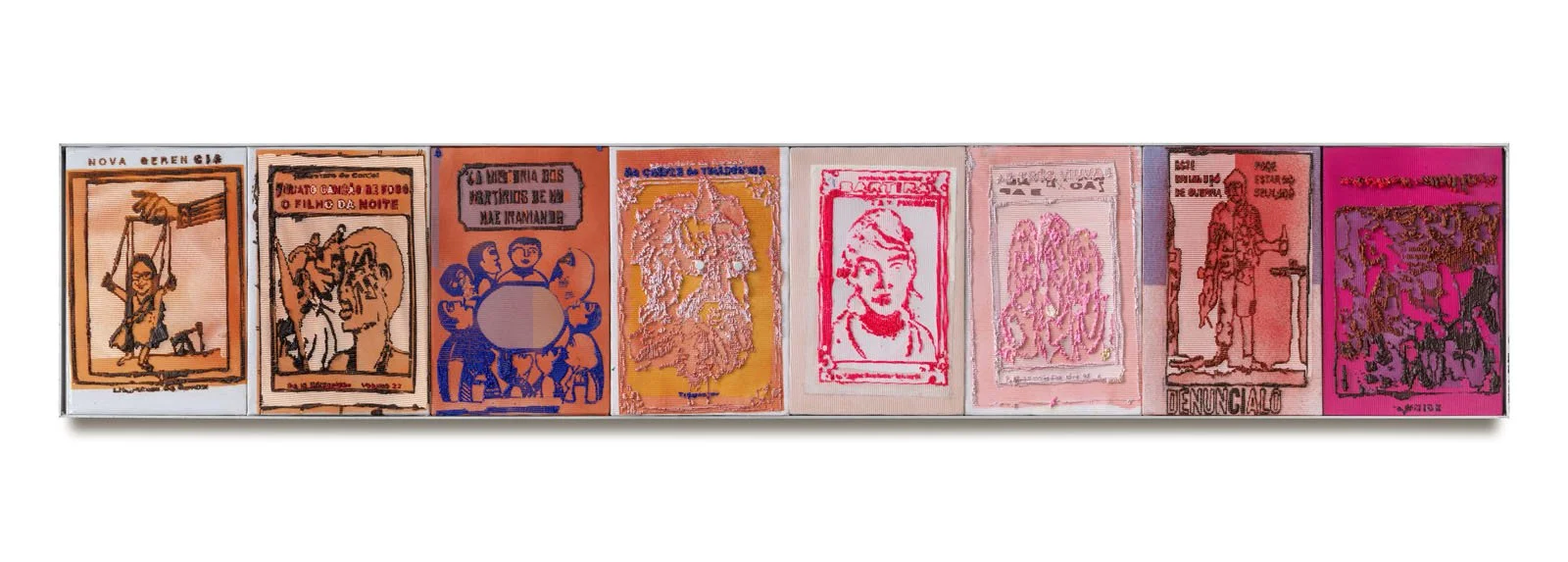
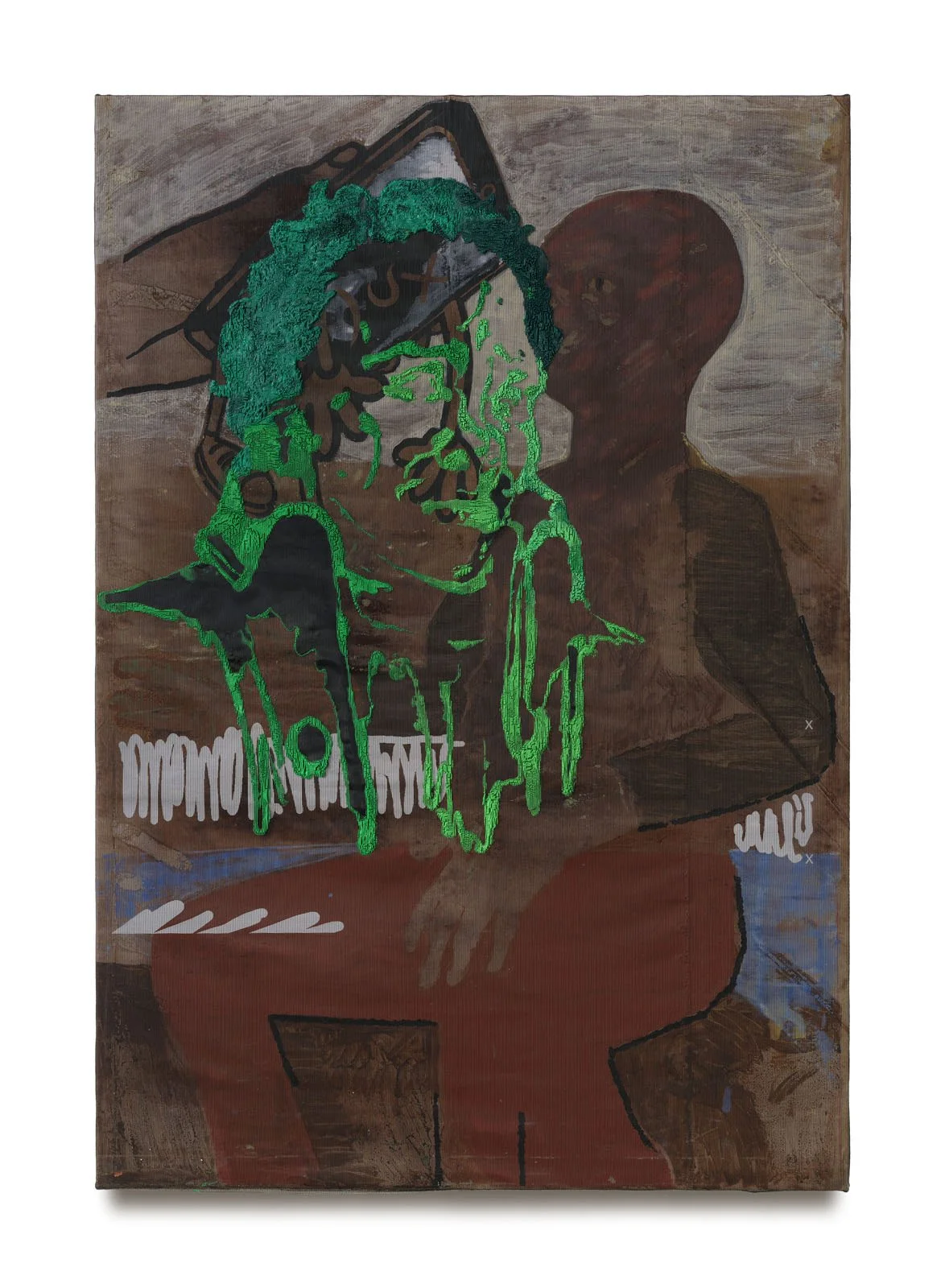
Capitain Petzel is pleased to announce
The lie, the larp and the lusophile, Austin Martin White’s second solo exhibition with the gallery, spanning its entire exhibition space. Through paintings and works on paper, White investigates the construction of historical memory, exploring postcolonial histories and the ways images shape cultural narratives while addressing the unstable boundary between historical fact, national myth, and cultural identity.
At the core of the exhibition is the legacy of the Brazilian Baroque sculptor Antônio Francisco Lisboa (c. 1738–1814), known as Aleijadinho, whose biography has long oscillated between documented history and legend. White presents portraits of the artist alongside depictions of his prophet sculptures at the Sanctuary of Bom Jesus de Matosinhos in Congonhas. Other paintings draw on the woodcut covers of literatura de cordel, the popular printed booklets of Northeastern Brazil in which folklore, religion, politics, and history converge.
Working with polyethylene film, screen mesh, pigment, rubber, vinyl, and spray paint, White creates layered surfaces that reflect the fragmented, mediated nature of historical narratives, inviting viewers to consider how stories are constructed, circulated, and ultimately believed.
Austin Martin White (b. 1984, Detroit, MI) lives and works in Philadelphia, PA. He has been included in group exhibitions at the Southampton Arts Center, New York (2025); the Oakland University Art Gallery, Rochester (2025); and the Jewish Museum, New York (2024). The artist had his first solo exhibition at Capitain Petzel, Berlin, in 2022, followed by solo shows at Petzel, New York, in 2023 and 2025. His work is part of the permanent collection of The Hessel Museum of Art, Annandale-on-Hudsonv and has appeared in numerous publications including The New York Times, Impulse, Artforum, Texte zur Kunst, Flash Art, 032c, and The Observer, among others.
Images courtesy of the respective artists, photographers, and, where applicable, galleries. All rights remain with the copyright holders.
Photography: Matthew Dodd and Gunter Lepkowski
Nymphenbrünnen
Adèle Vivet @Nonono, Paris.
Spotlight: AUGUST 25th, 2026
Adèle Vivet @Nonono, Paris. 22.05.26 - 28.05.26
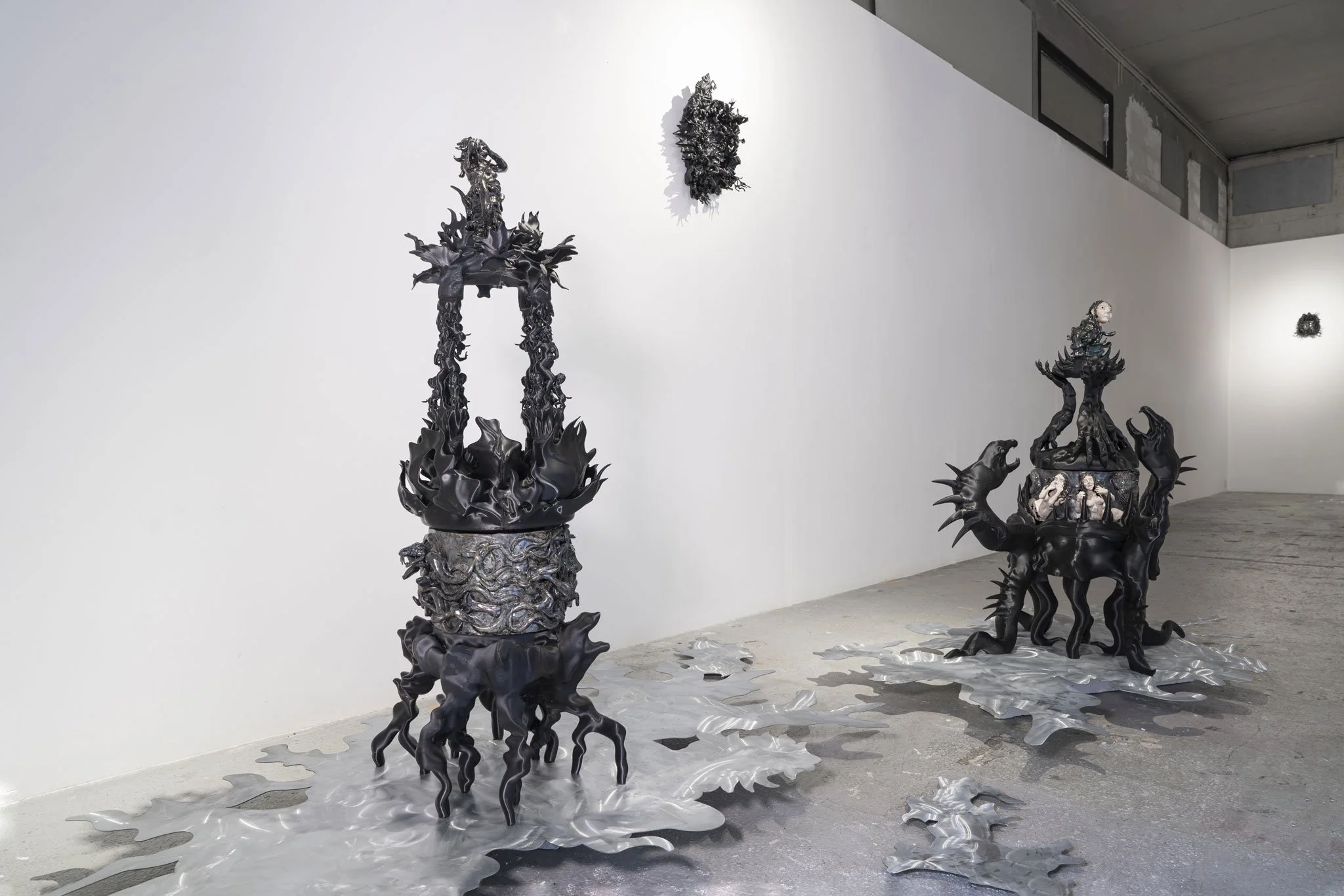
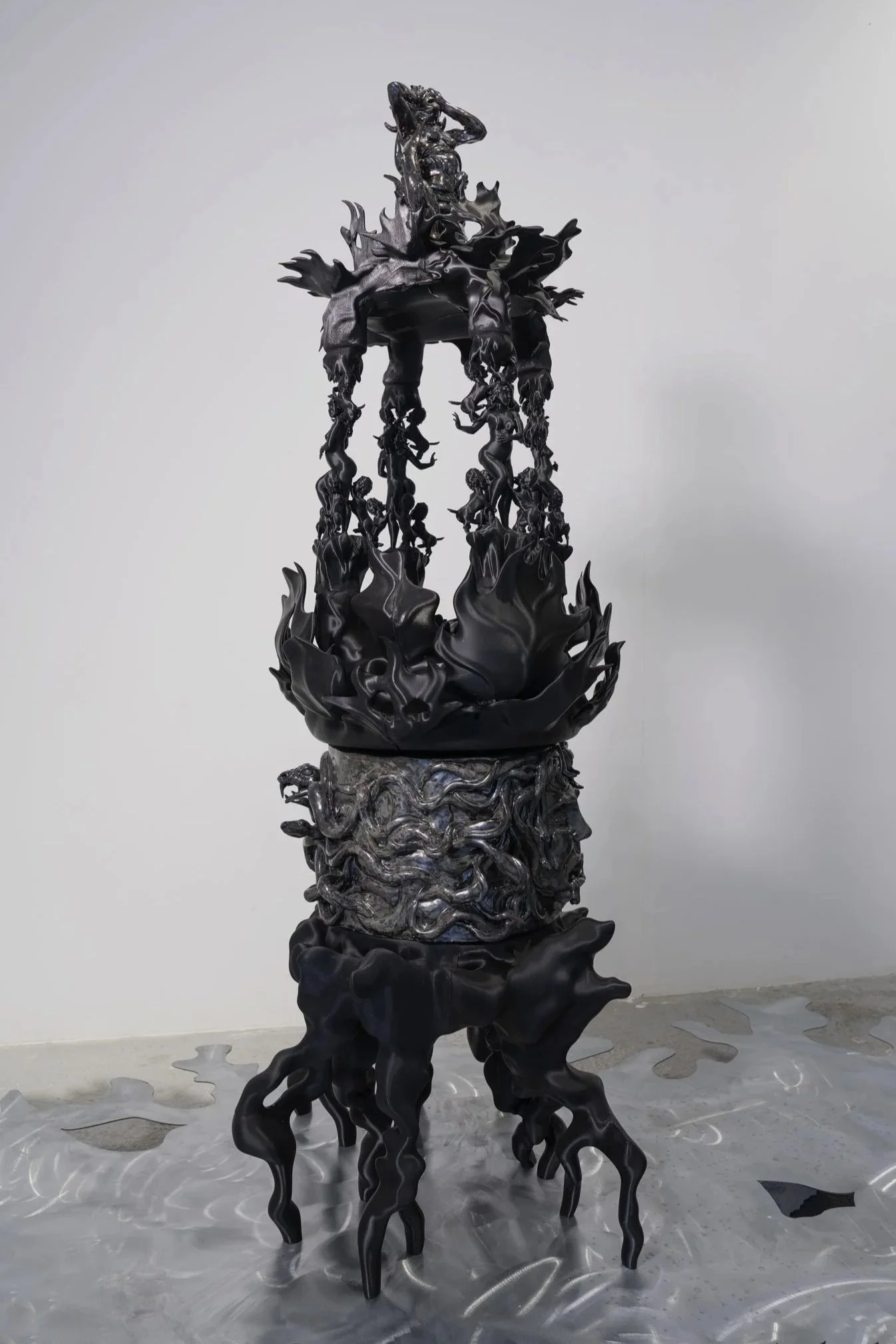
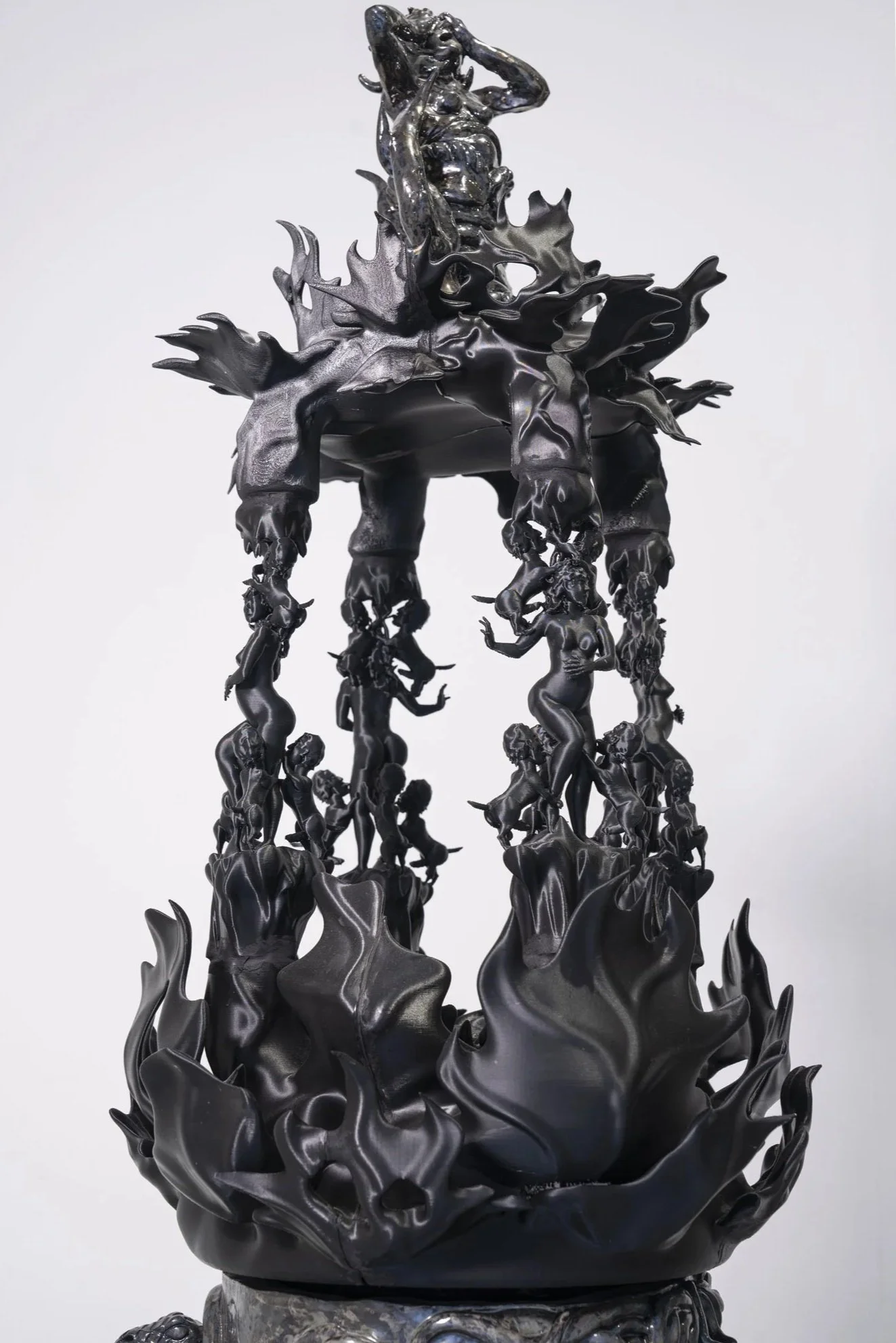
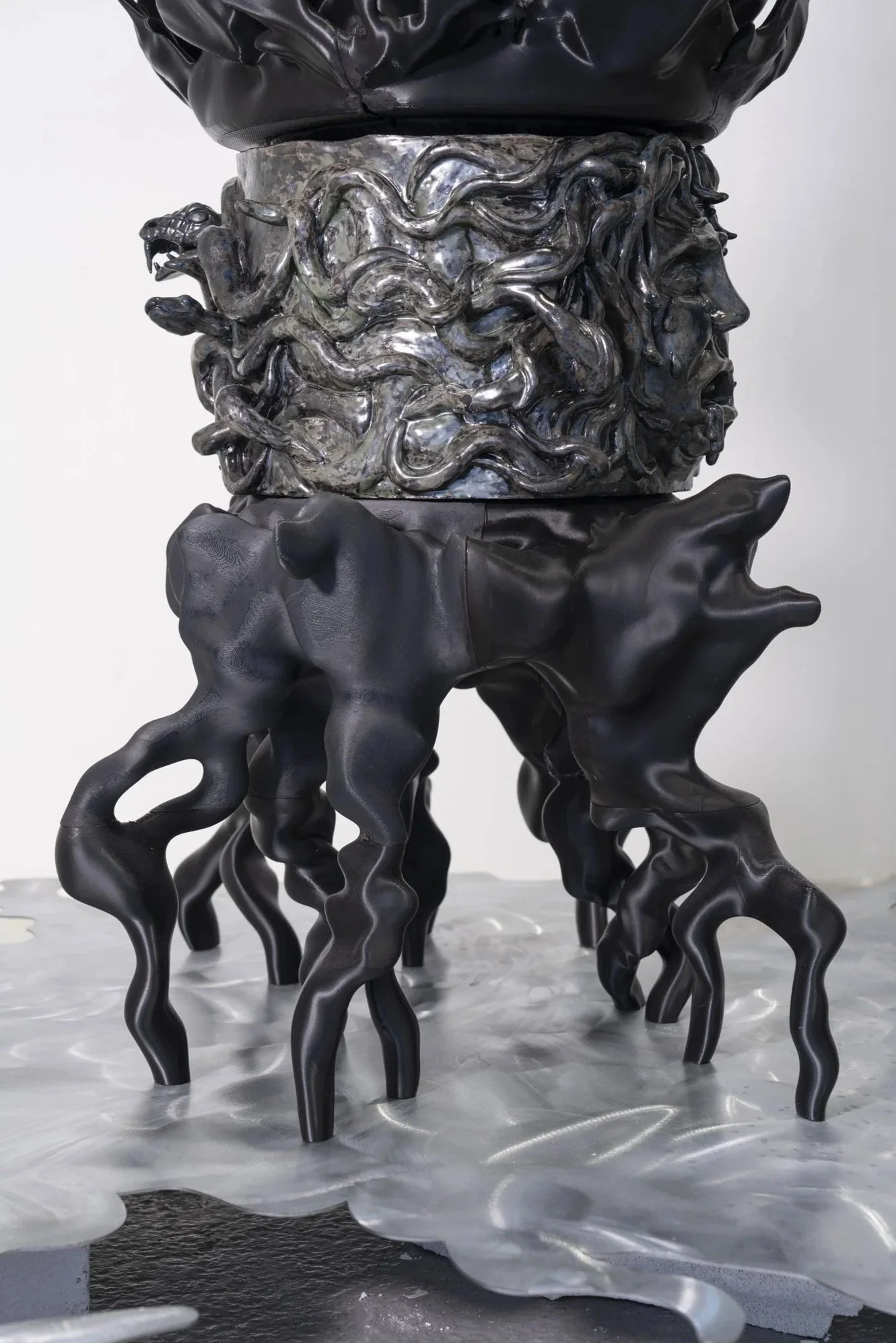
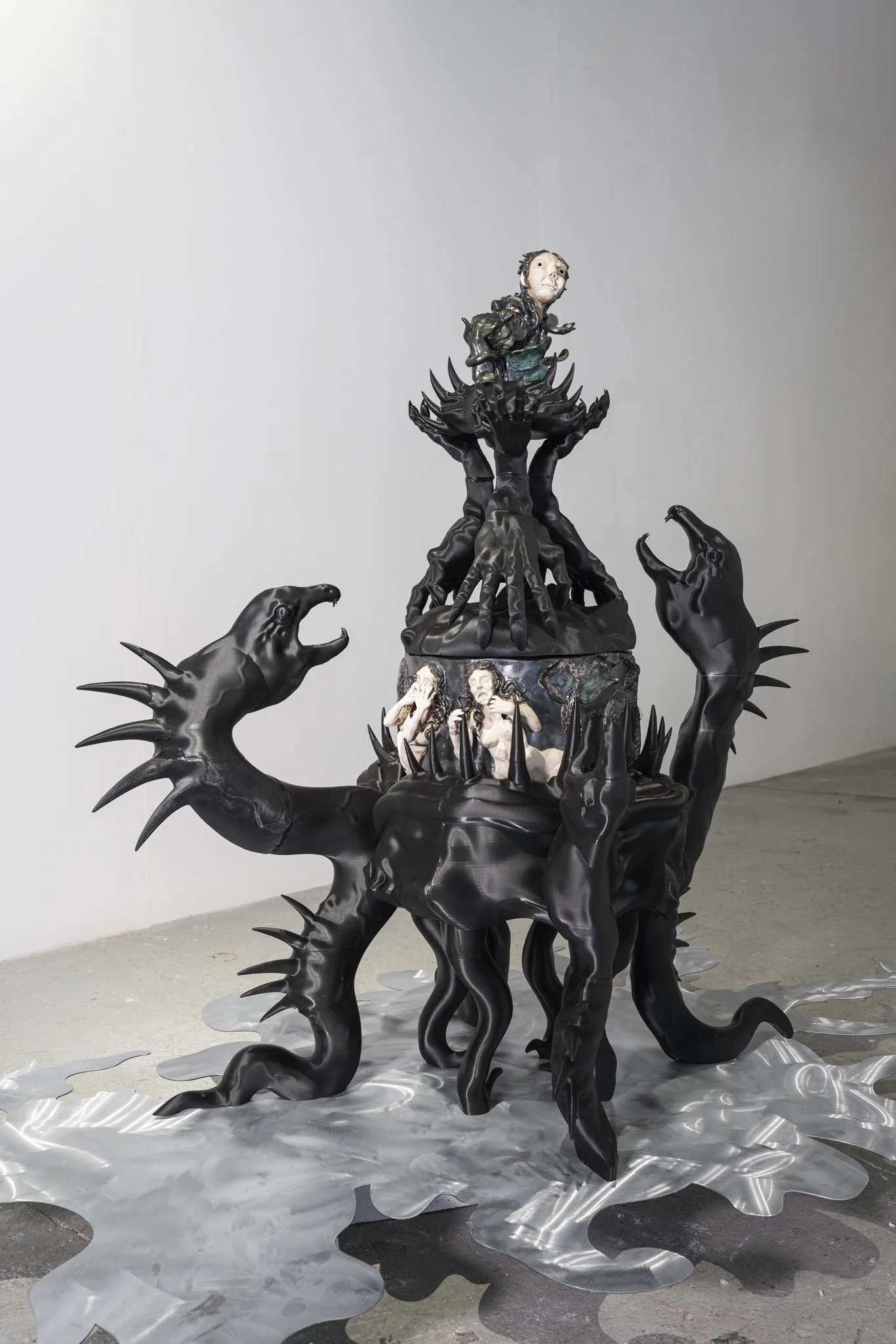
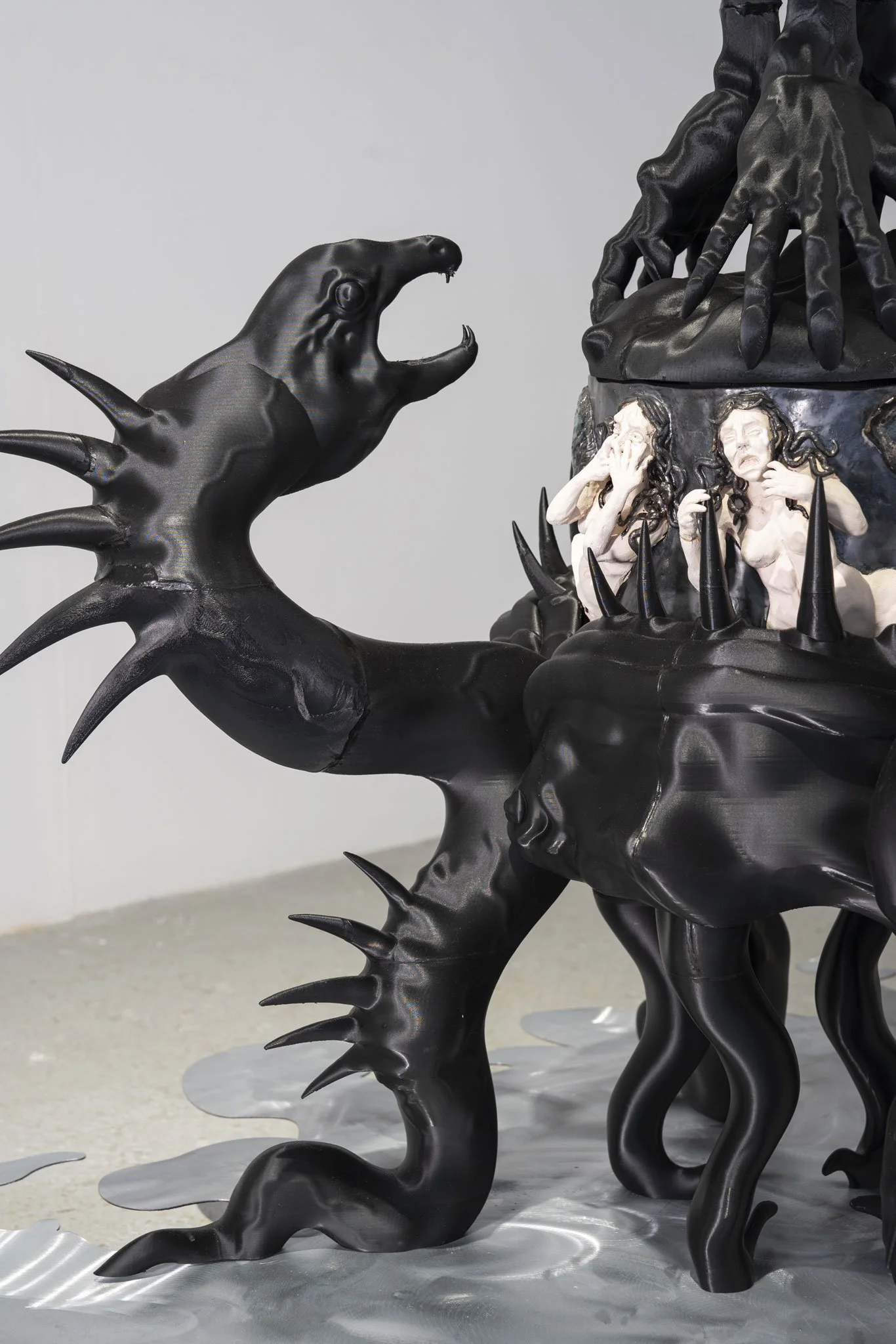
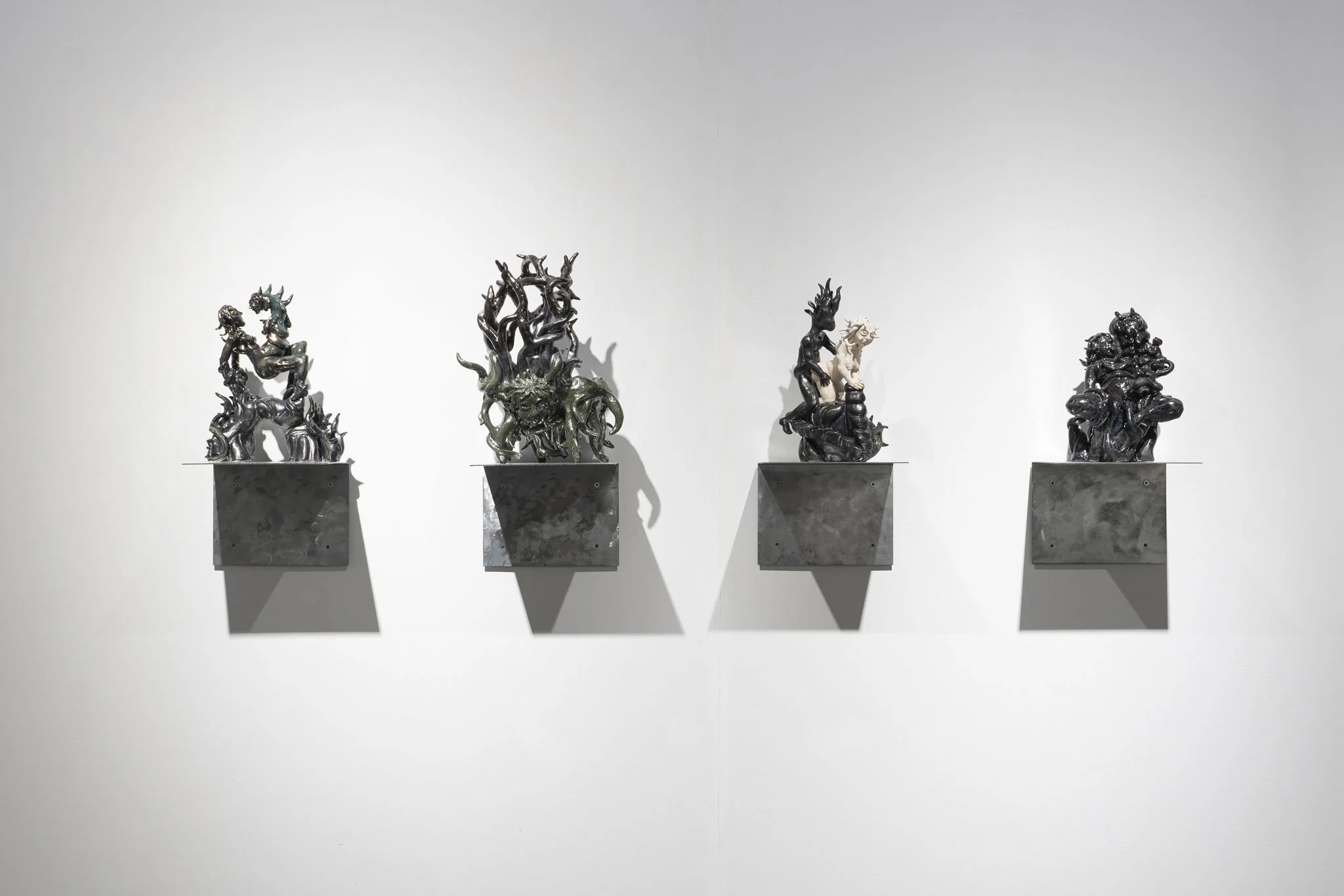
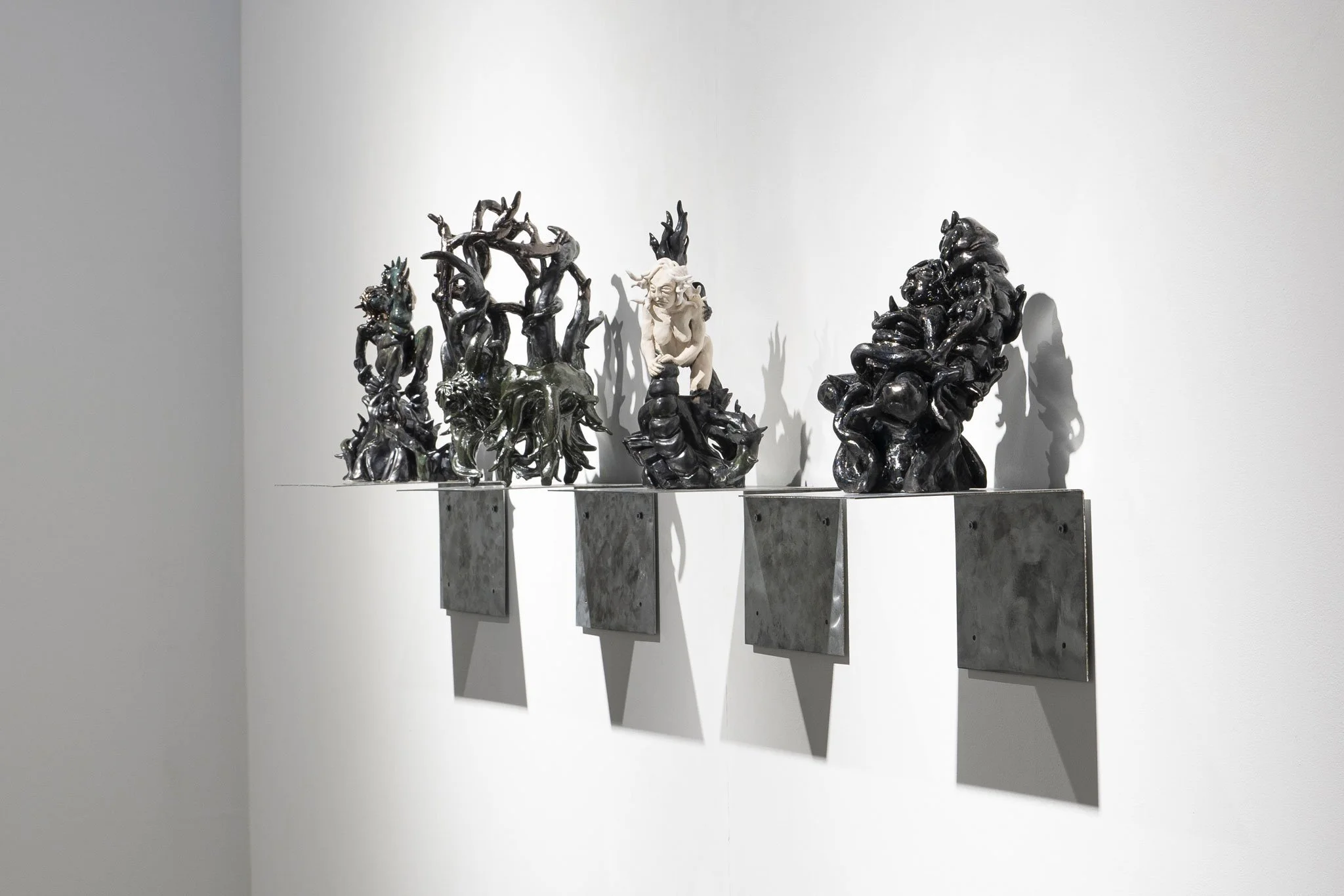
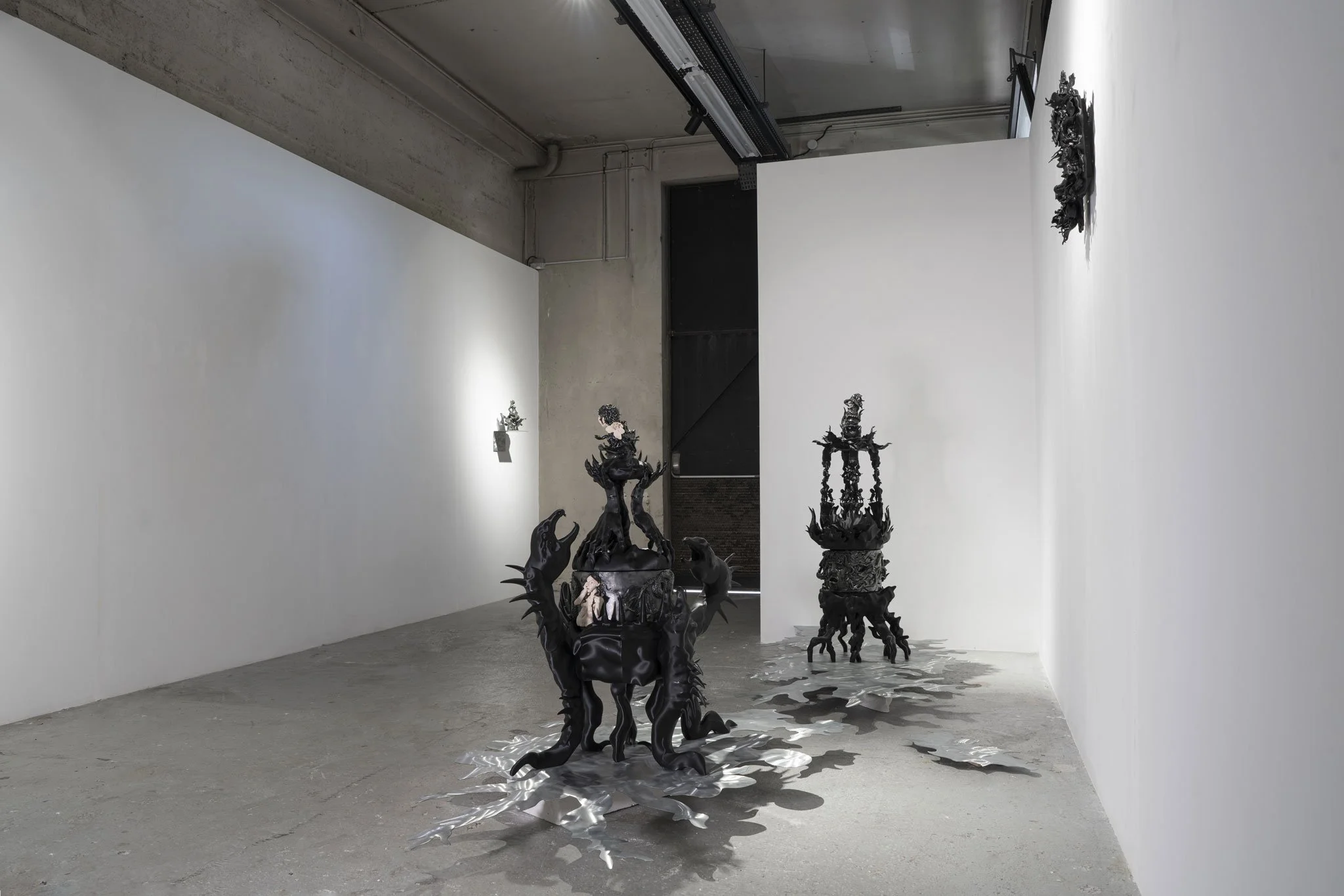
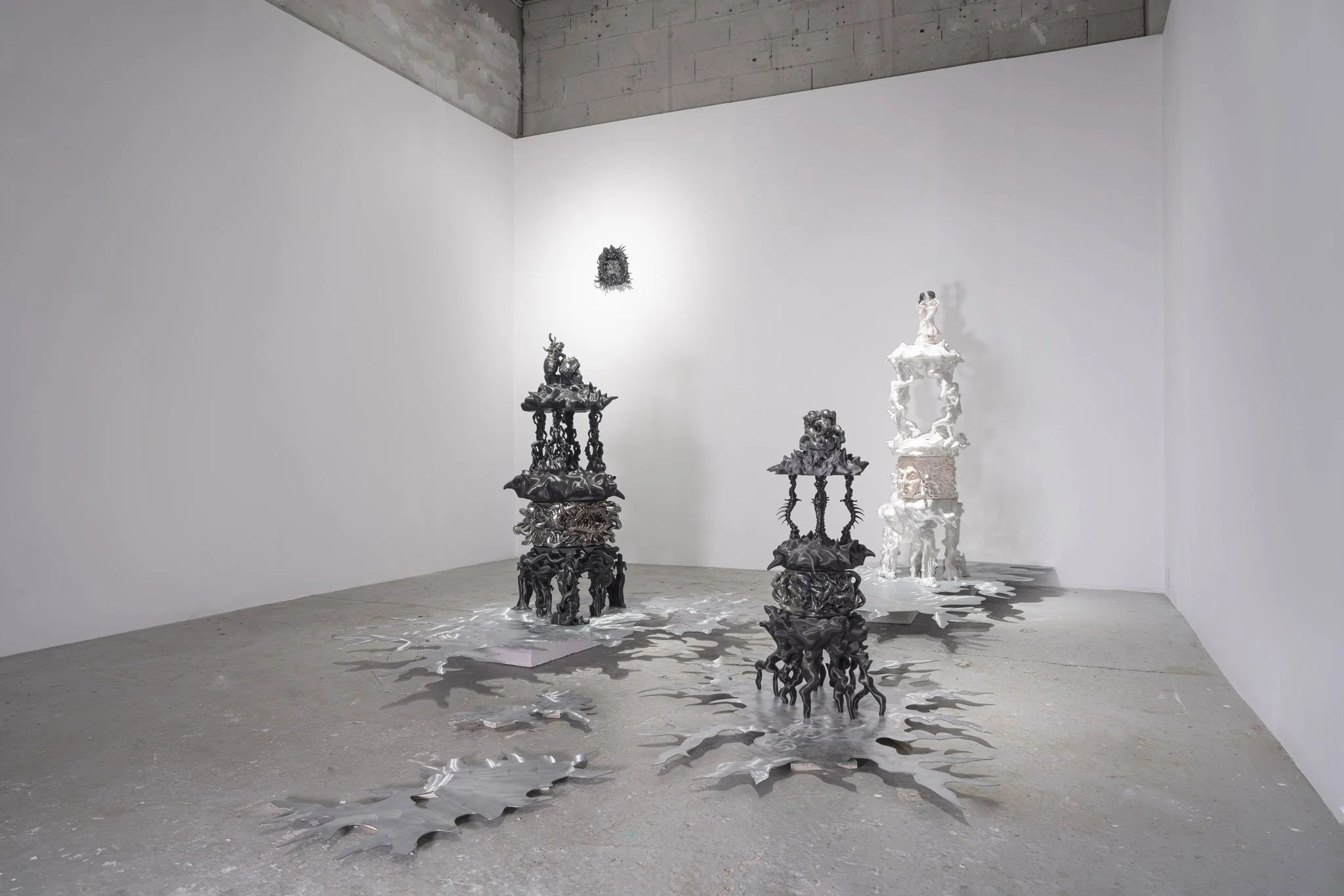
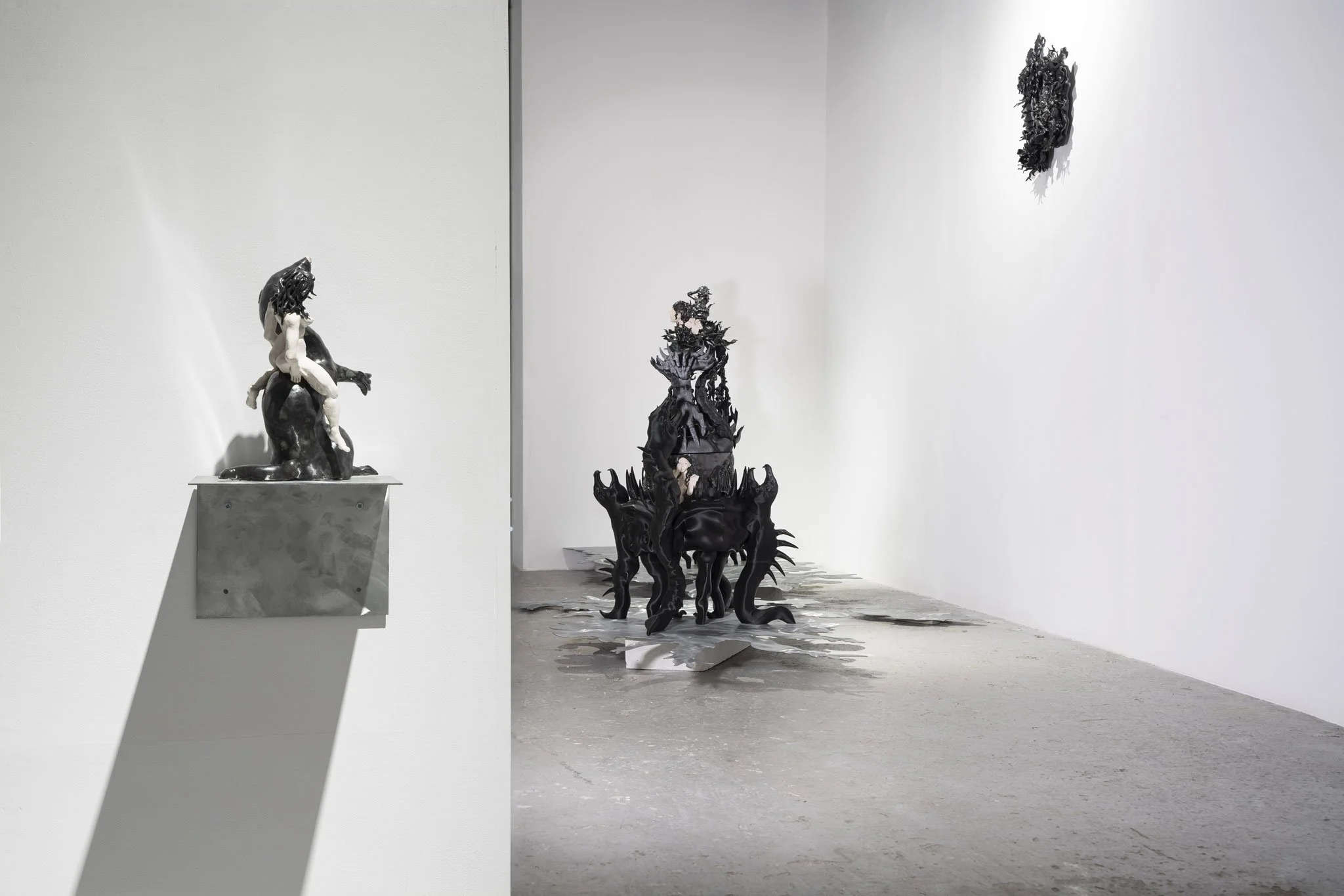
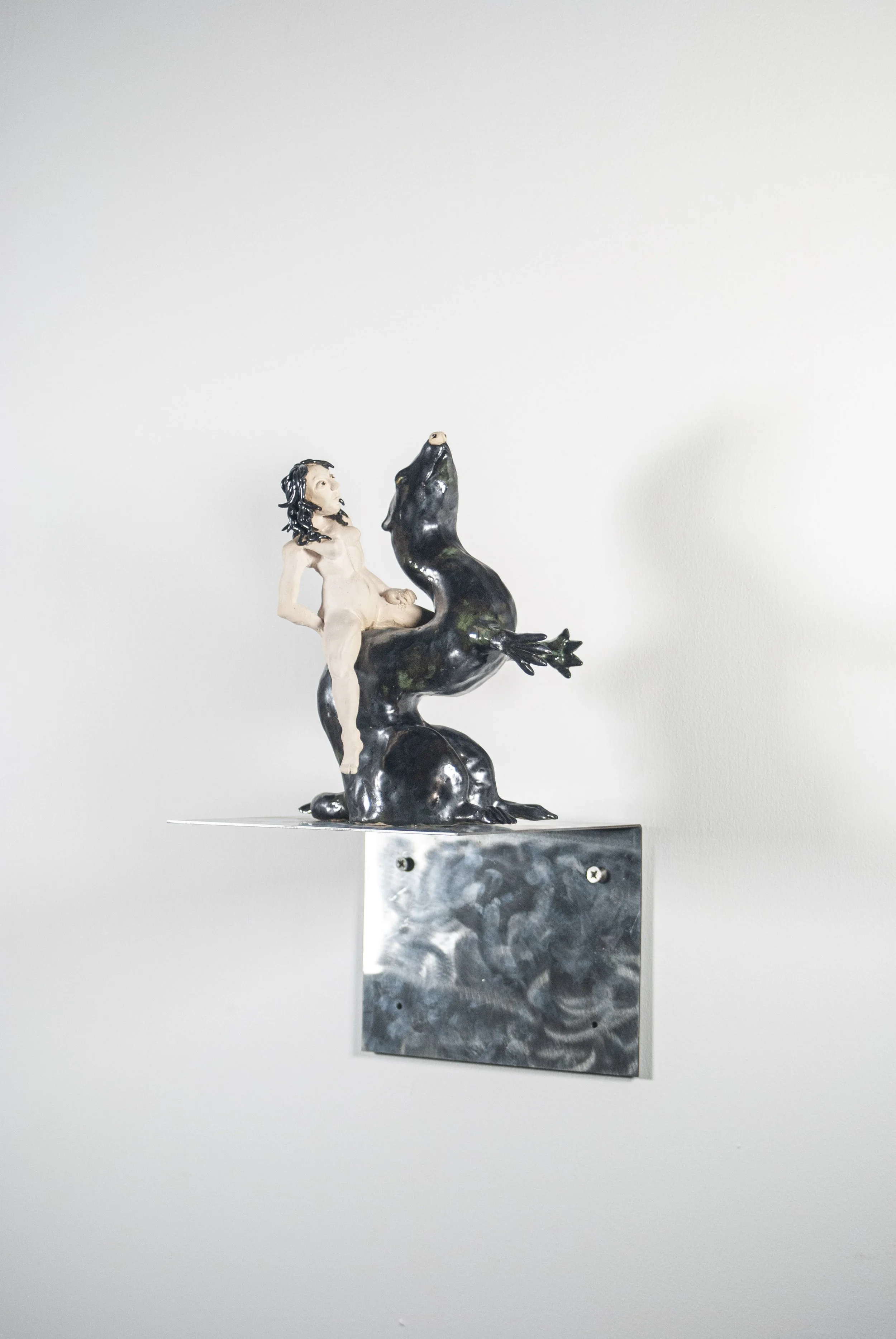
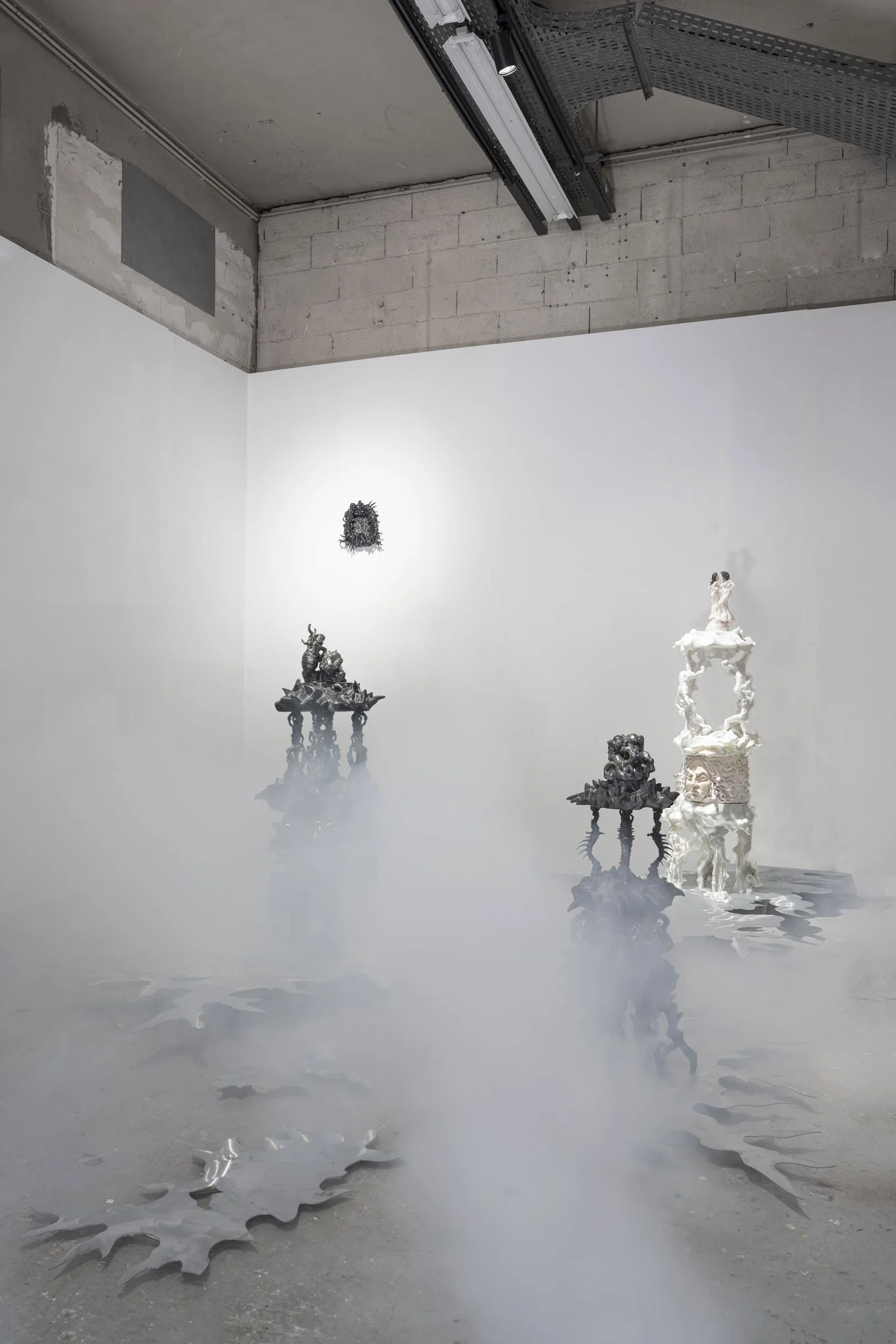
Nymphenbrünnen: Curated By Mathilda Portoghese. Collaboration with DJ and composer LAZE.
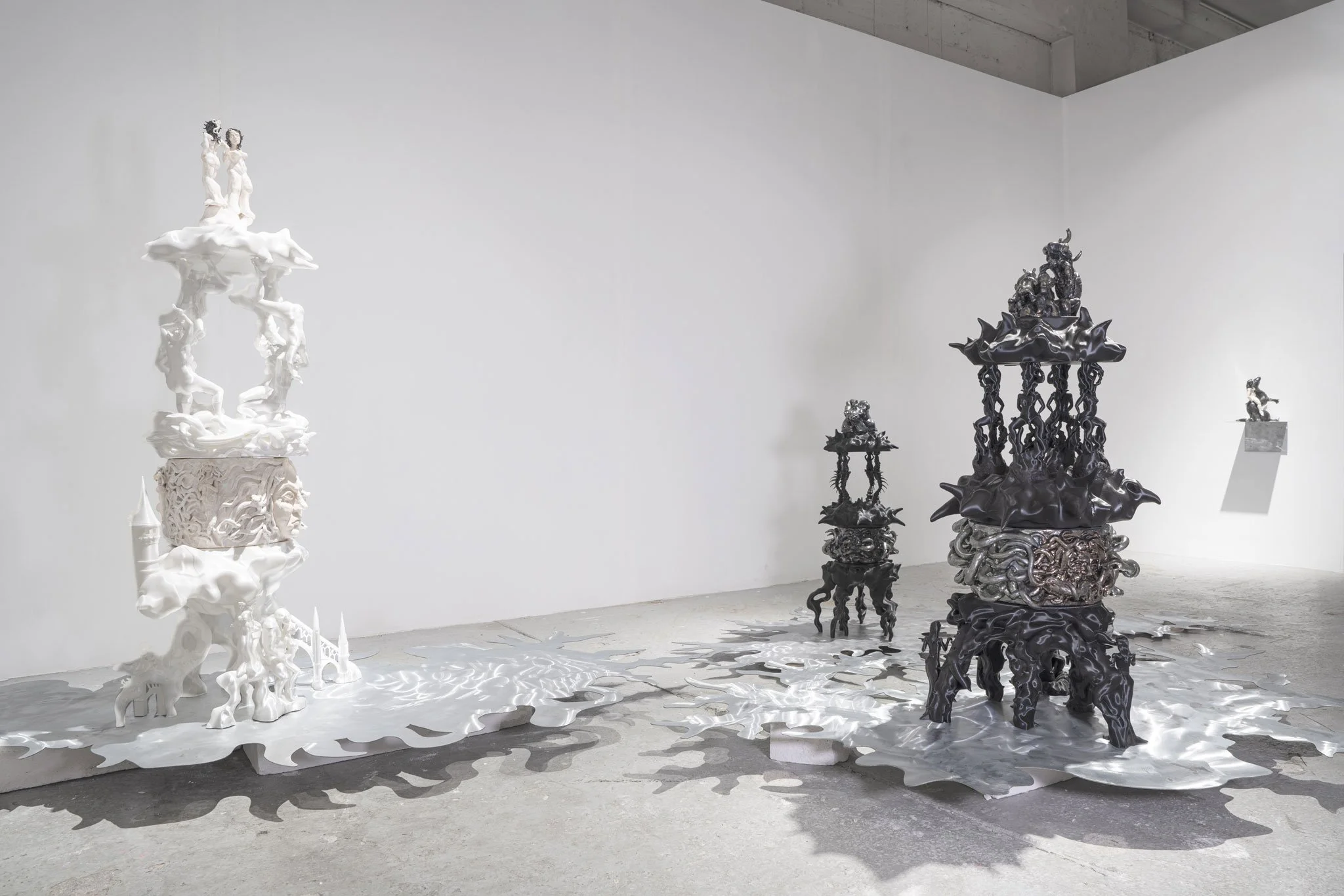
Adèle Vivet draws inspiration from the ornamentation of Christian sacred architecture — capitals, tympanums, keystones, bas-reliefs — to create hybrid forms through ceramics and 3D printing. Nymphenbrünnen imagines a carnal encounter between her sculptures and the Gothic architecture of the Saint-Ouen abbey church in Rouen, a place deeply cherished from her childhood. The exhibition creates a singular space for formal dialogue between the seemingly pious monumentality of the building and the artist’s sensual, voracious mythology, which unfolds before us.
Through the extraction of various monstrous figures from architectural vocabulary — gargoyles, caryatids, sirens, Medusas, and others — Adèle Vivet proposes a reinterpretation through the lens of her own body, establishing an ambiguous relationship that is at once hyper-sensual and self-punitive. Within this personal storytelling, she surrounds herself with a clique of legendary wicked women whose desires are emancipated and unapologetic. Yet her inner monsters appear entirely exposed and far less assured, shaped by visceral concerns: the playfulness of their attitudes expresses a voracity that continually swells with the desire for transgression, followed by the mental flagellation and guilt that pleasure itself seems to generate here.
The Chimerea series, composed of five totemic sculptures, formally combines the technical concept of the caryatid with that of the bas-relief in order to stack micro-narratives upon one another. These hydro-chimeras function as confessional portraits, staging the nuanced facets and shadowy dimensions of a young woman trapped between desire and guilt, profound disappointments and ecstatic joys. Oscillating between the technological precision of 3D printing and the human tactility of ceramics, these Boschian nymphets seem to have boarded the Goa’uld spacecraft of an erotic-parodic spin-off, joyfully evoking the playful aesthetics of hentai pornography and erotic comics.
At the heart of this procession of fountain-women persists an obsession: that of the failing fleshly envelope caught in paradox — a body devoured by Judeo-Christian shame, constrained by social and moral injunctions, yet seized by an insatiable and polysemic appetite. Adèle Vivet’s work gives form to this intimate abyss: her sculptures beautifully exude ugliness, excess, and bodily fluids, through details evoking vomit, vaginal secretions, tears, saliva, and semen. Each figure appears both to revel in and suffer from its own materiality, while confessing — with universally addressed tenderness — the impulses, fractures, and desires that have long been suppressed or erased.
Text by: Mathilda Portoghese
Collaboration with DJ and composer LAZE: an immersive sound piece conceived by invited musician Laze amplifies this troubling and visceral atmosphere, enveloping the space in an organic sonic landscape and materializing the threshold between two eras that Adèle Vivet seeks to open.
Images courtesy of the respective artists, photographers, and, where applicable, galleries. All rights remain with the copyright holders.
Photography: lucia neri
Madness and Practice
Liz Dawson / Lucy Teasdale. @Axel Obiger, Berlin.
Spotlight: AUGUST 11th, 2026
Liz Dawson / Lucy Teasdale @AxelObiger, Berlin.17.01.2026 – 07.02.2026
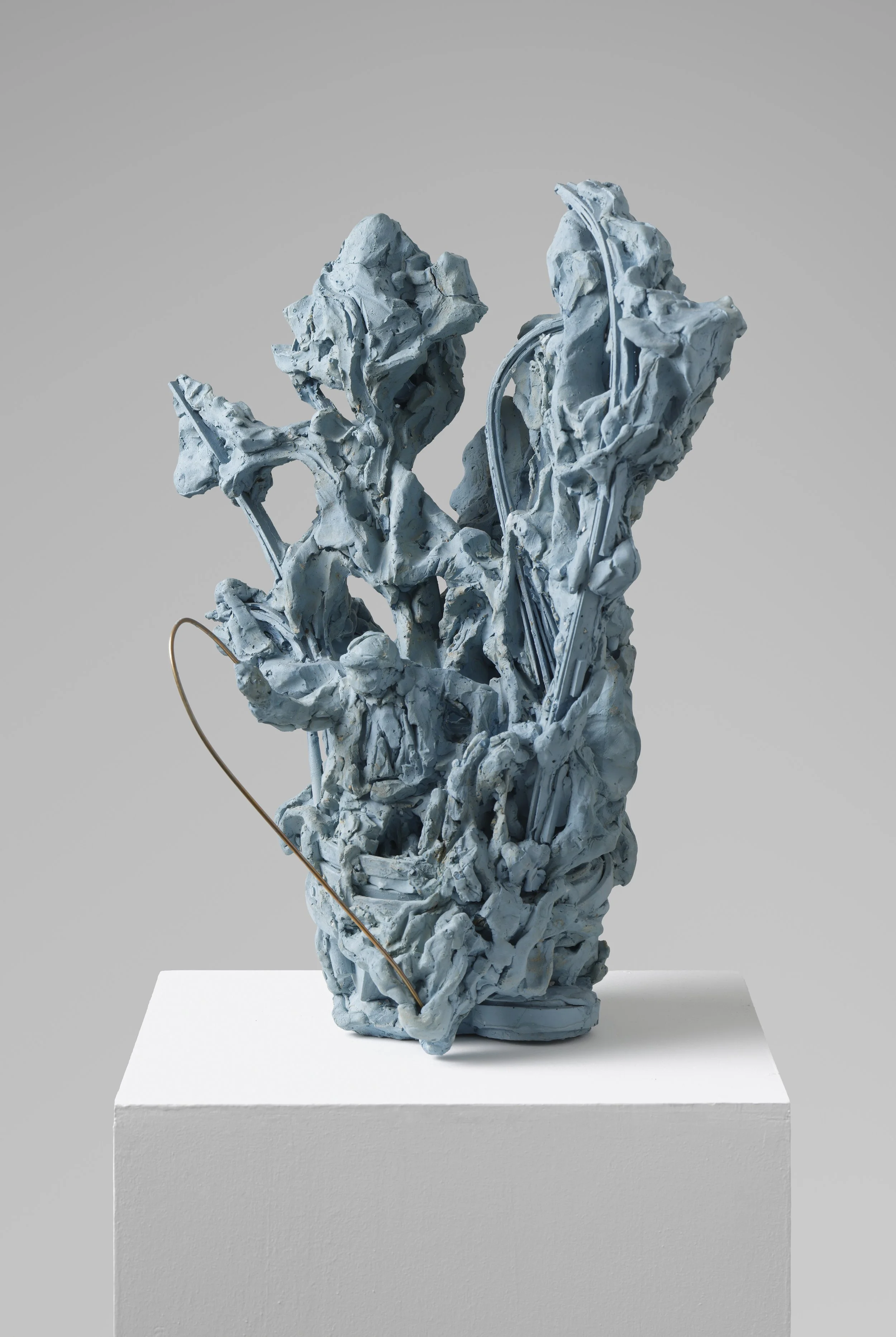
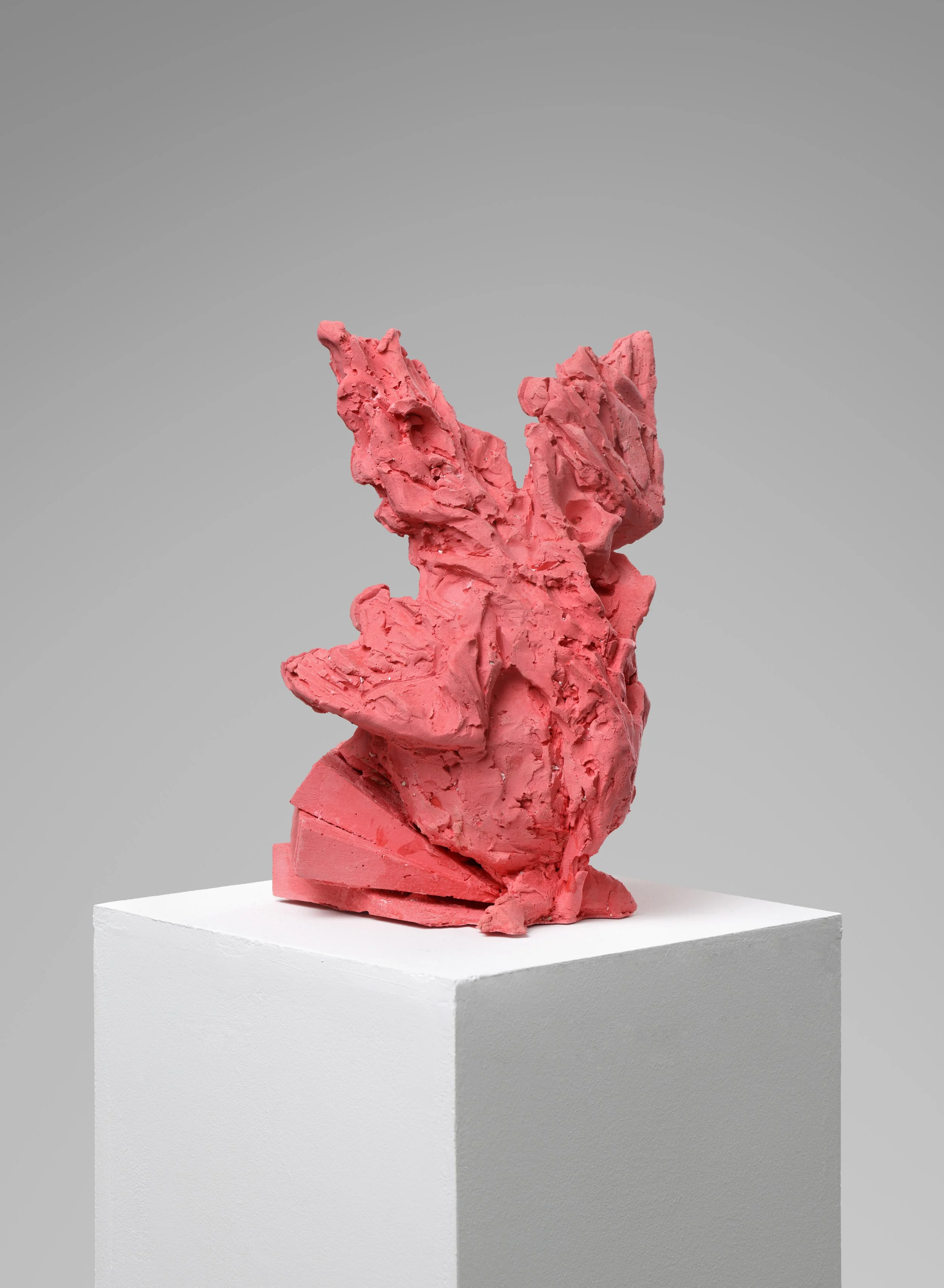
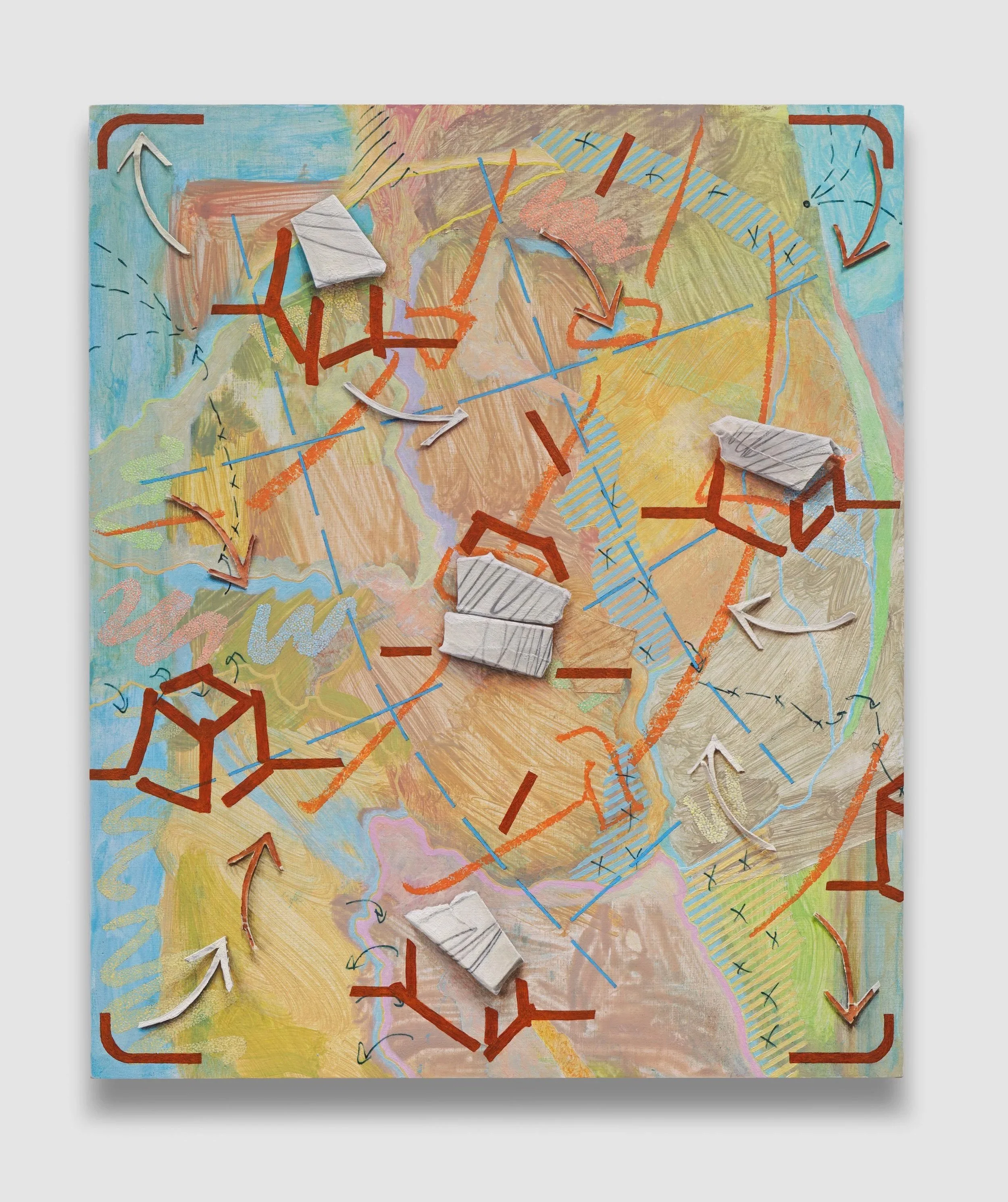
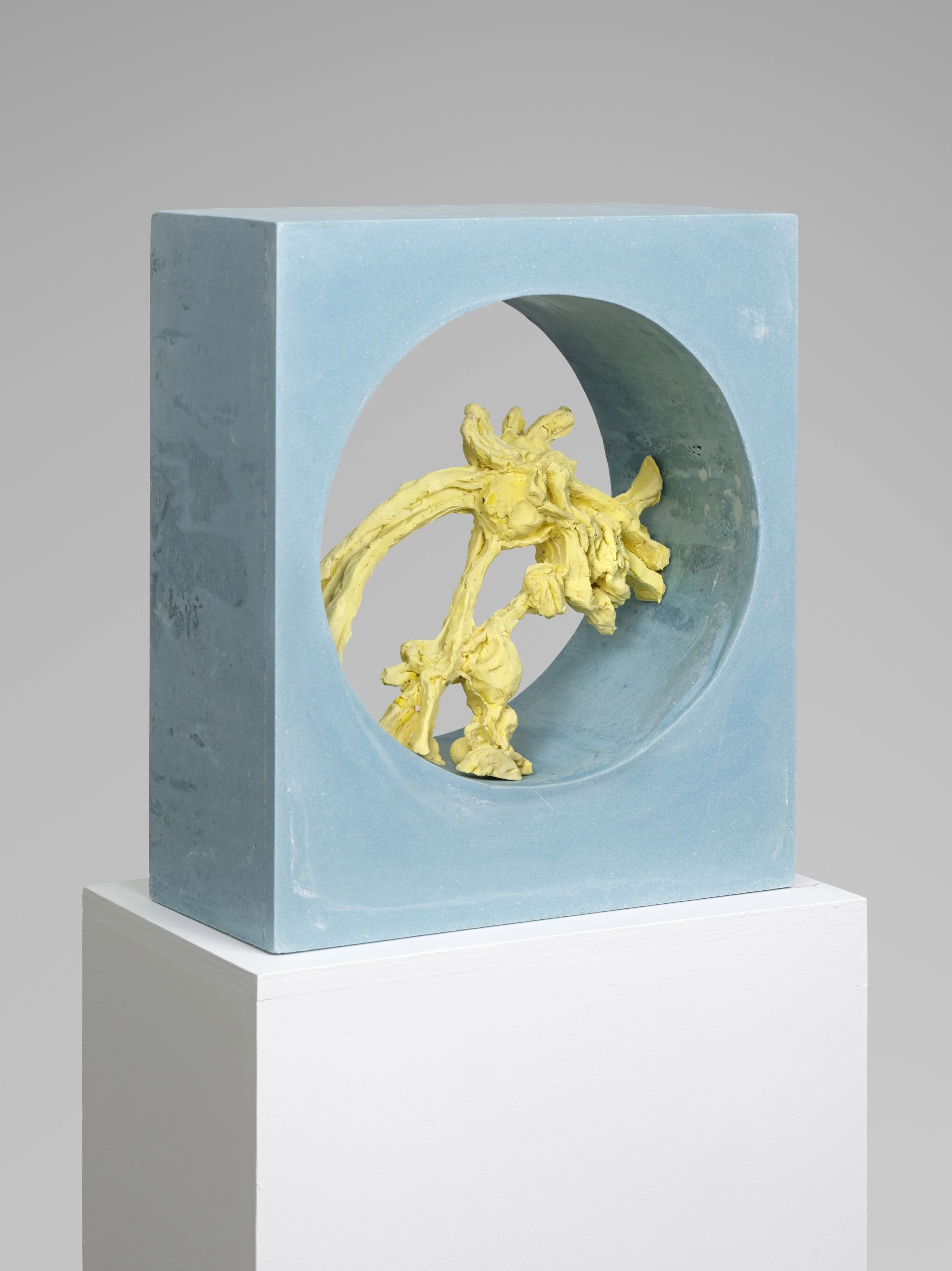
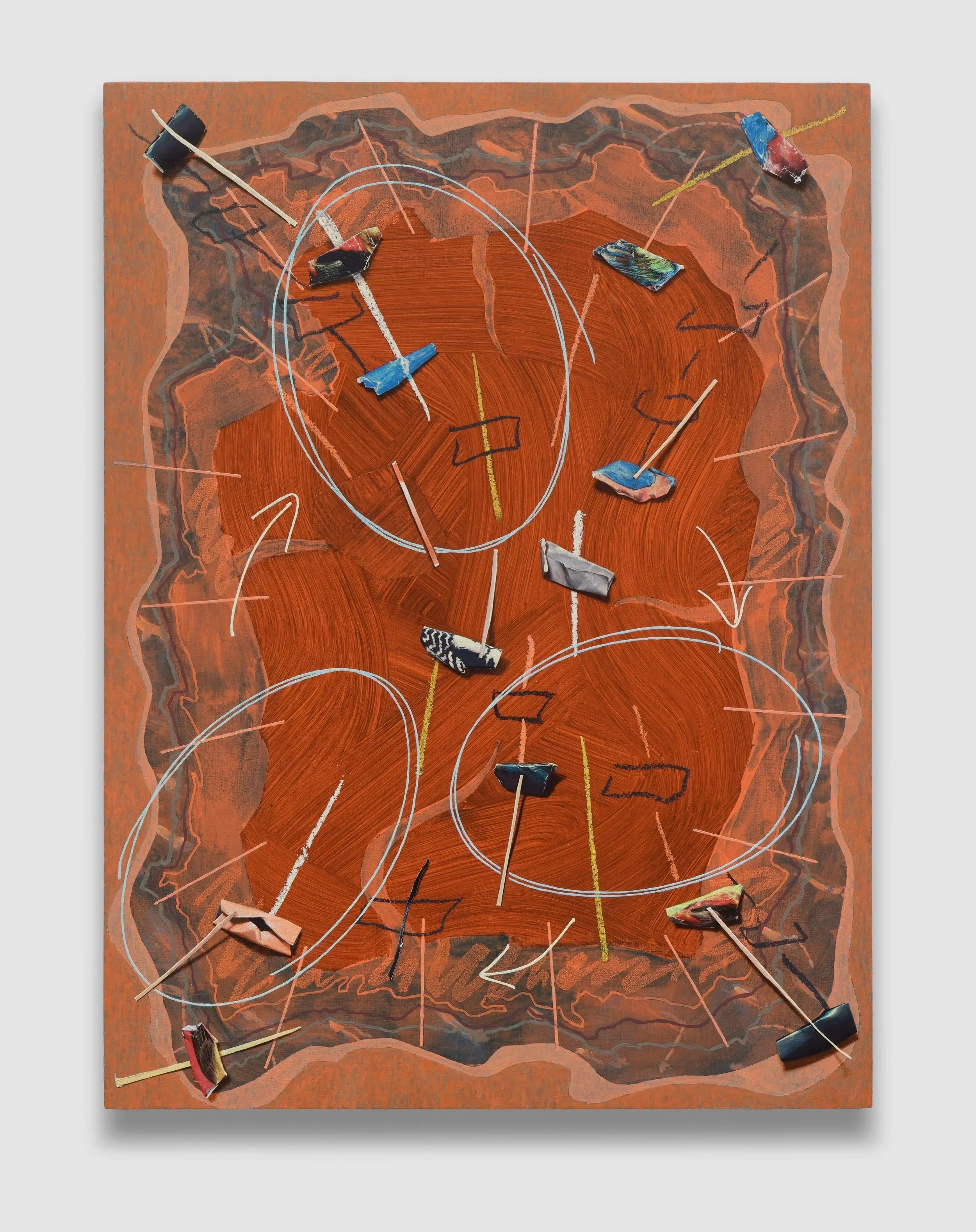
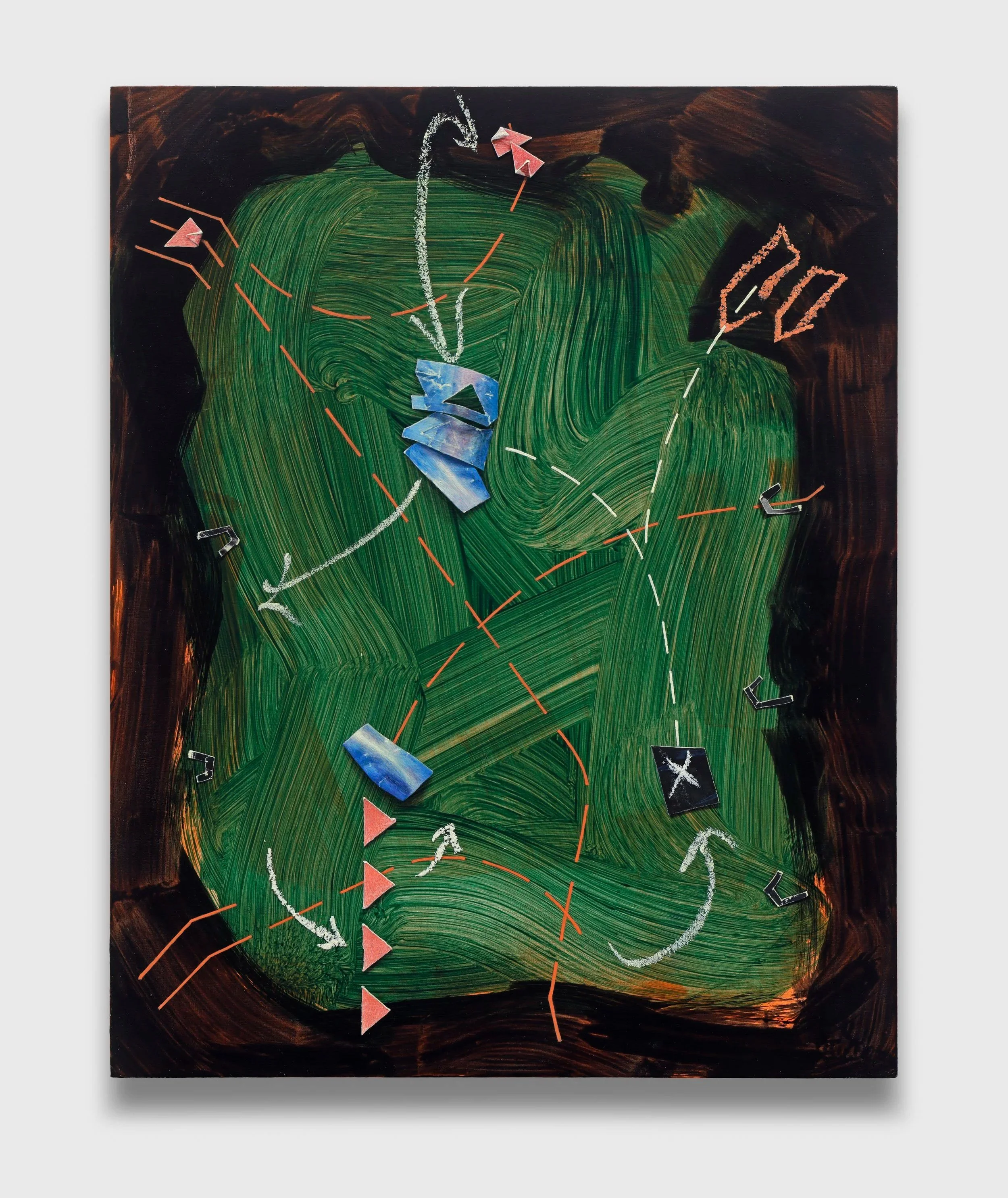
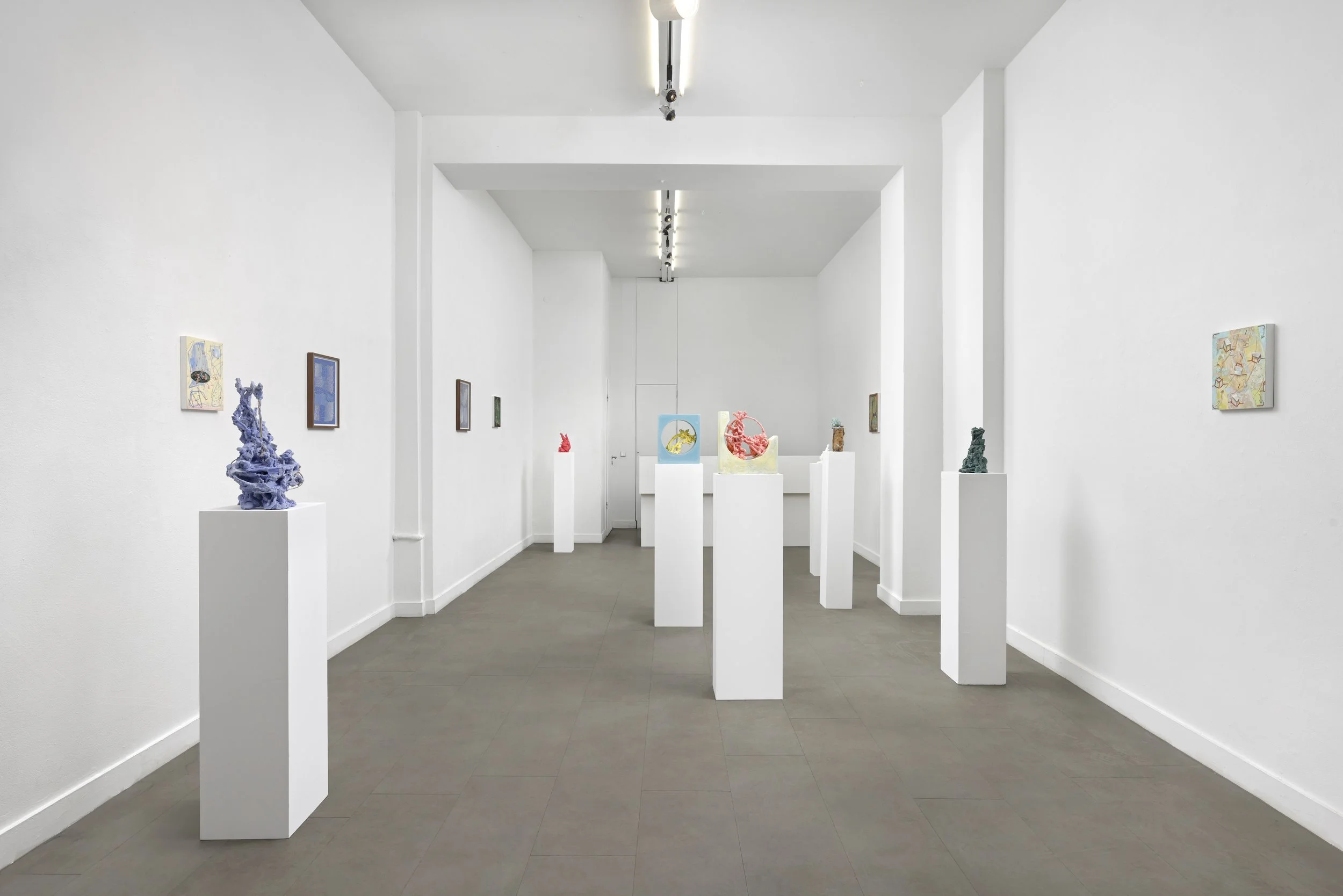
With Madness and Practice,
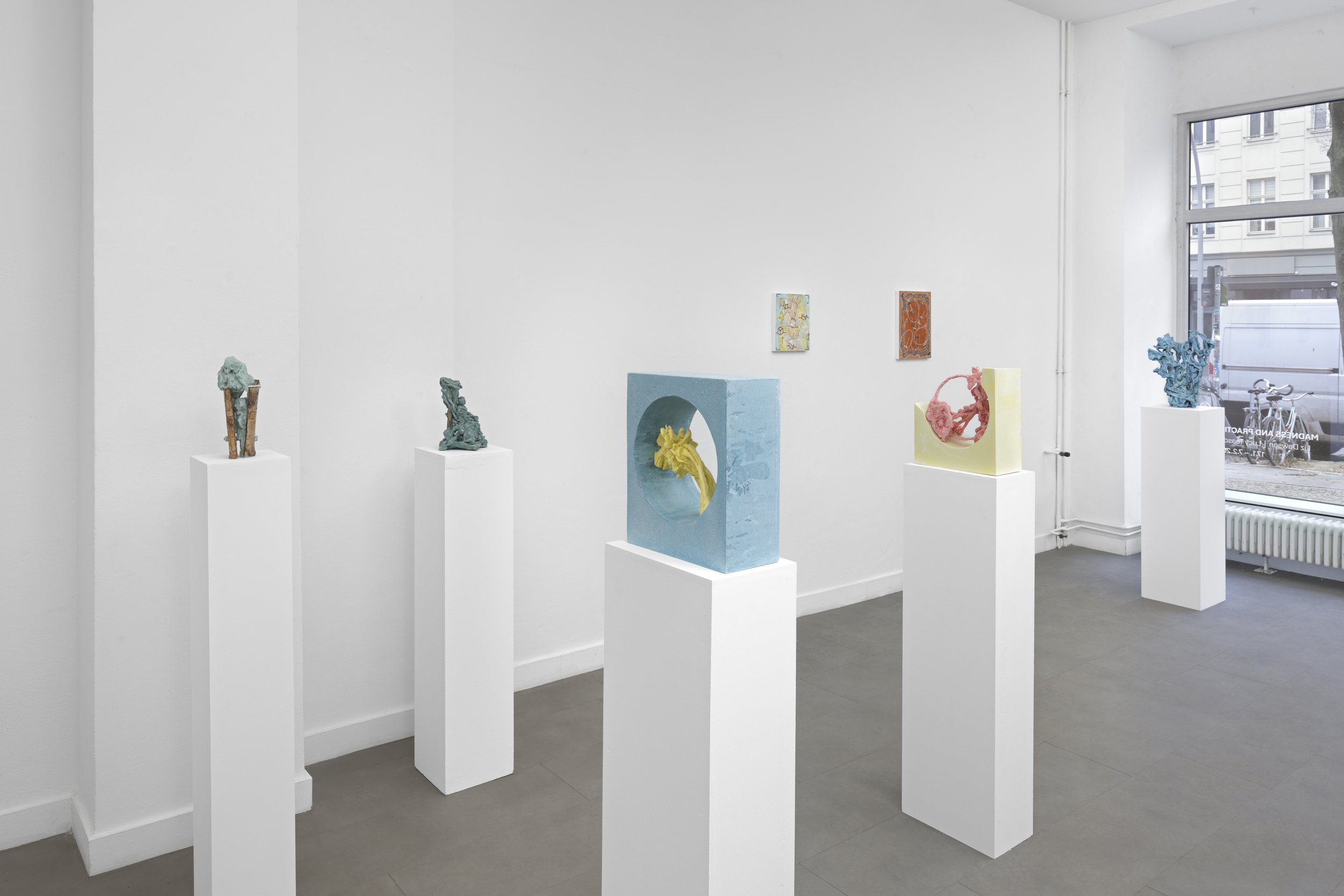
painter Liz Dawson and sculptor Lucy Teasdale present new works that stage a quiet conflict between apparent intuition and rigorous construction. The title suggests a persistence that may register as futile or even obsessive, but is in fact an unflagging attentiveness to process, repetition, and control. Throughout the exhibition, surfaces and gestures promise immediacy while quietly betraying the labor and artifice beneath them. The works posit that this persistence is not a symptom of irrationality, but its inverse: practice – understood as sustained, almost ritualized work undertaken in pursuit of a particular kind of virtuosity. The works are indeed that – virtuosic. Liz Dawson’s paintings and drawings initially present themselves as enigmatic systems: arrows that double back on themselves, looping gestures, directional marks that feel both instructional and opaque. They resemble notations without a clear key – somewhere between a poet’s marginalia and a dancer’s shorthand for movement. There is an apparent urgency to the mark-making, a sense of speed or immediacy. And yet this urgency is deceptive. What seems like a quick, expressive stroke often reveals itself, on closer inspection, to be painstakingly built from countless minuscule painted marks. The spontaneity is staged; the immediacy is manufactured. Dawson’s paintings operate through layered artifice, withholding information in order to draw the viewer in, only to confront them with an insistent specificity. In Lucy Teasdale’s sculptures, vignettes of figures situated within constructed environments register as quickly made, caught mid-process, or held together precariously. Dripping, sagging, or splintered surfaces are rendered in playful, almost childlike colors, lending the works an initial lightness that suggests softness and reworkability.
On closer inspection, however, this assumption gives way: what reads as malleable clay is in fact cast resin. Gestures that imply immediacy – impressions, folds, a tactility of touch – are fixed, their apparent openness resolved into permanence. As with Dawson’s paintings, movement, action, or narrative is proposed without being fully delivered. What is implied is never quite embodied. Both artists work through a process of selecting something that resonates and committing to it fully. For Dawson, this might be a fragment of an image – often sourced from mass media – that begins to operate symbolically through repetition and directional marks. For Teasdale, it might be a photograph or a remembered scene: a pastoral image of a fisherman on a riverbank in England. These scenes carry with them the visual language of something given or authentic. Yet they are already mediated, already constructed – images shaped by history, projection, and expectation. What emerges across both practices is a shared interest in fiction: not fiction as narrative, but as fabrication. Nature, spontaneity, intuition, even madness appear here not as raw states, but as carefully constructed propositions. At a moment when distinctions between authenticity and simulation are increasingly unstable, these works demand an engagement that isn’t about immediate verification or resolution, but rather about the pleasure of recognizing fiction at work. Meaning is neither given nor guaranteed. The work asks to be met halfway. Practice, here, extends beyond the studio and into the act of looking itself.
Text: Ilyn Wong
Images courtesy of the respective artists, photographers, and, where applicable, galleries. All rights remain with the copyright holders.
Photography: Hans-Georg Gaul
Galleries we have worked with:


