Katelyn Ledford
“My images, while convincing, threaten to collapse the whole structure.”
Katelyn Ledford is a New Jersey–based painter whose meticulously rendered still lifes explore illusion, labour, and self-representation through everyday materials. In this interview, she discusses her background, her interest in trompe-l’oeil and vulnerability, and the ideas behind her solo show Verso, currently on view at Fredericks & Freiser. (January 15 – February 7, 2026)
Could you tell us a bit about yourself and your background?
I’m a Southern transplant currently living in New Jersey. I grew up not seeing much contemporary art, so I honed in on craft in my younger years by practicing photorealistic drawing and painting. I truly learned about contemporary art once I went to Rhode Island School of Design for my MFA in painting.
They taught me how to play and discover new methods of making so that my practice didn’t rely purely on craft. I’ve lived up north ever since then and made the move to the NYC tri-state area about 3 years ago. I can’t imagine living anywhere else now, as cliche as it sounds.
Your paintings often depict the backs of canvases, taped edges, hanging fabrics, and everyday materials like denim or lace rendered with extreme precision. In your solo exhibition at Fredericks & Freiser, why did you choose to focus on these structural or usually hidden elements, and what do they allow you to explore that a more conventional image might not?
I’ve been considering these everyday objects for a few years now as they represent the life of the artist, more specifically myself. I view objects as being more portrait-like than physical representations of people, so I use them as stand-ins for myself and the experience of being an artist. Elevating banal objects allows me to bring forward the tossed-away parts of life and demand the viewer consider them longer. I don’t care much for highly fussy and traditional still-life painting. They’re fun to look at, but the canon is as old as time, so the visual interest can’t rely on just the object’s inherent coolness. I want to transform these objects beyond their initial meaning into emotionally charged portraits.
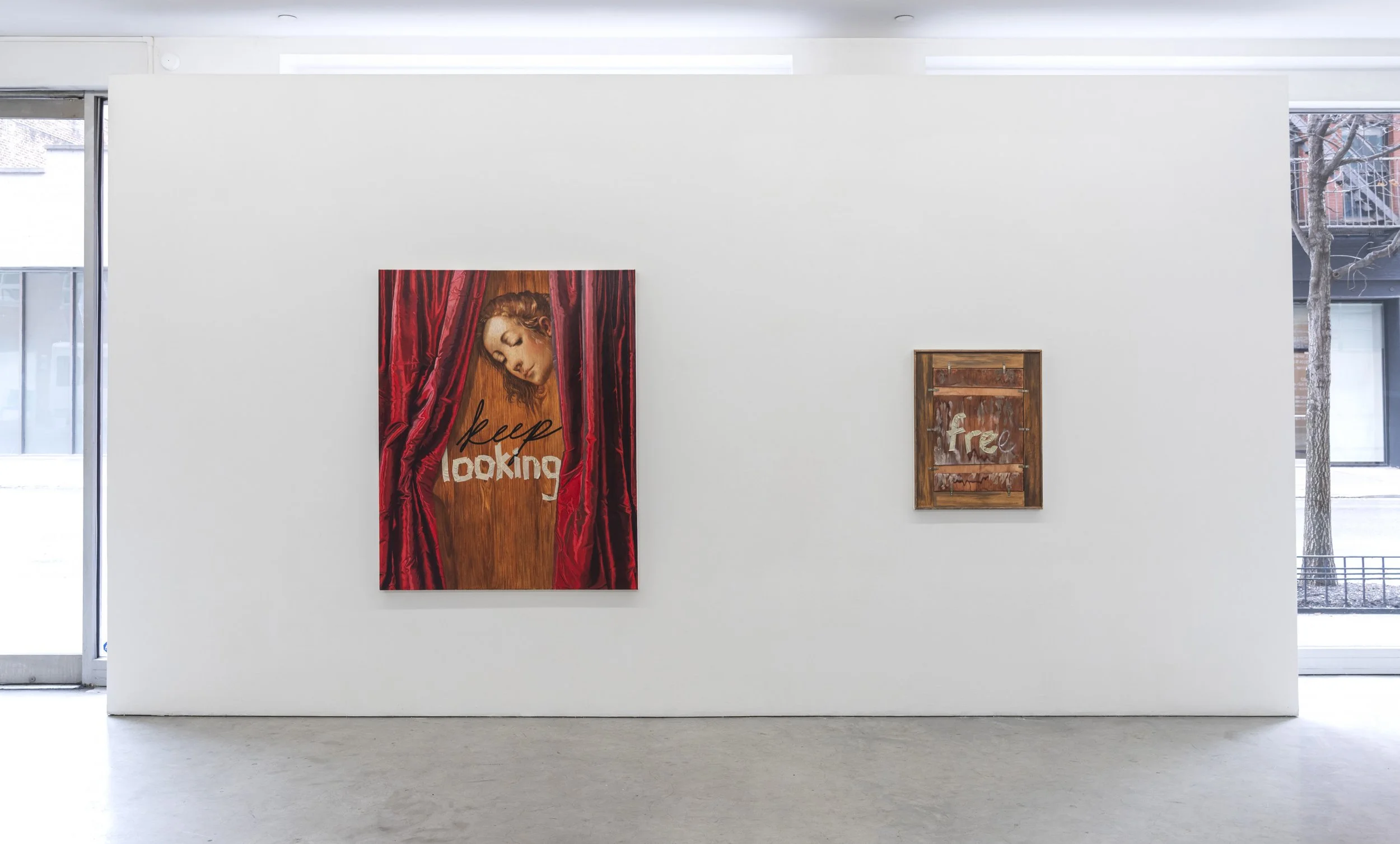
Verso, Install shot, Fredericks & Freiser, 2026. Courtesy of Fredericks & Freiser, NY. Photographed by Cary Whittier
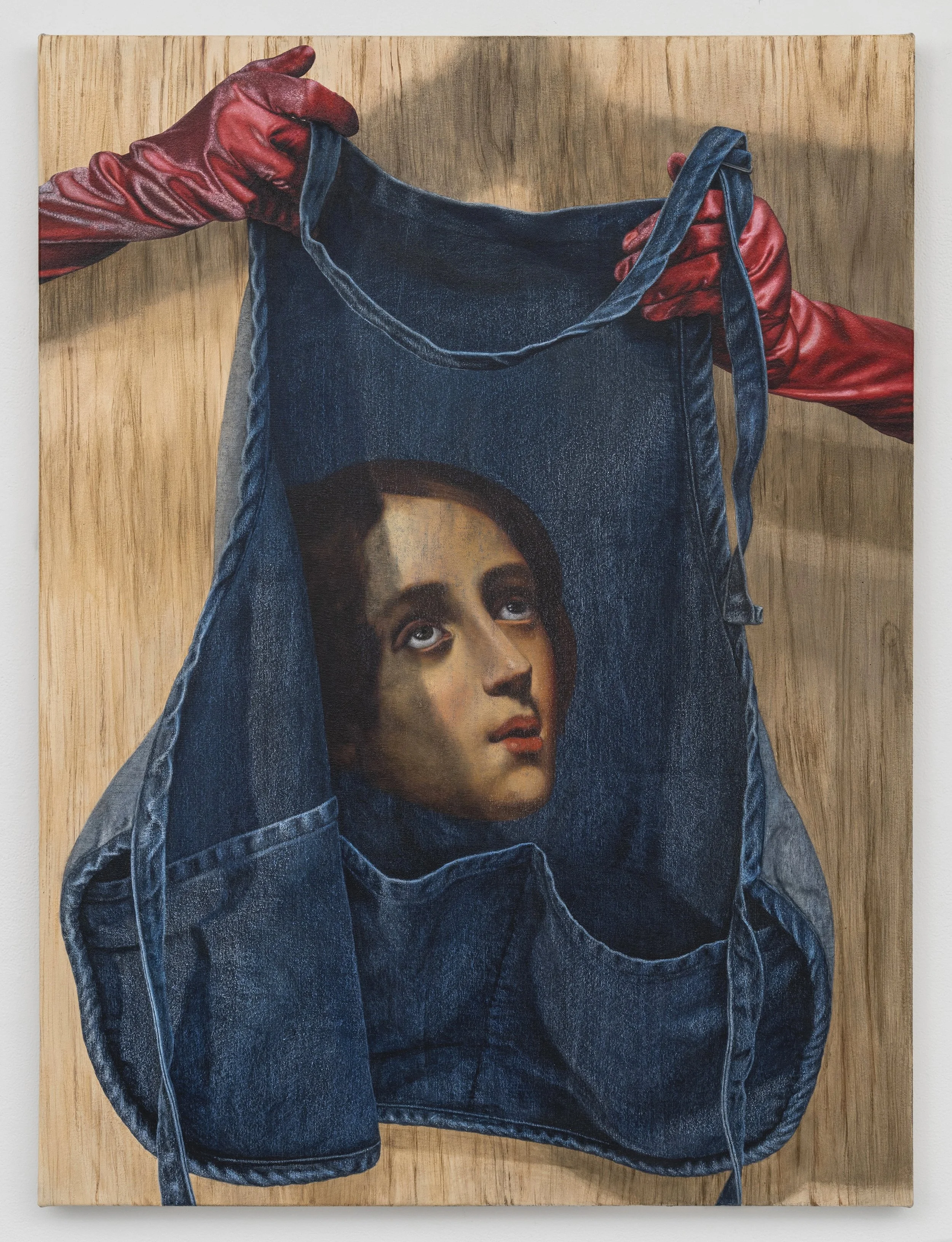
Shroud Displayed, 2025. Courtesy of Fredericks & Freiser, NY. Photographed by Cary Whittier
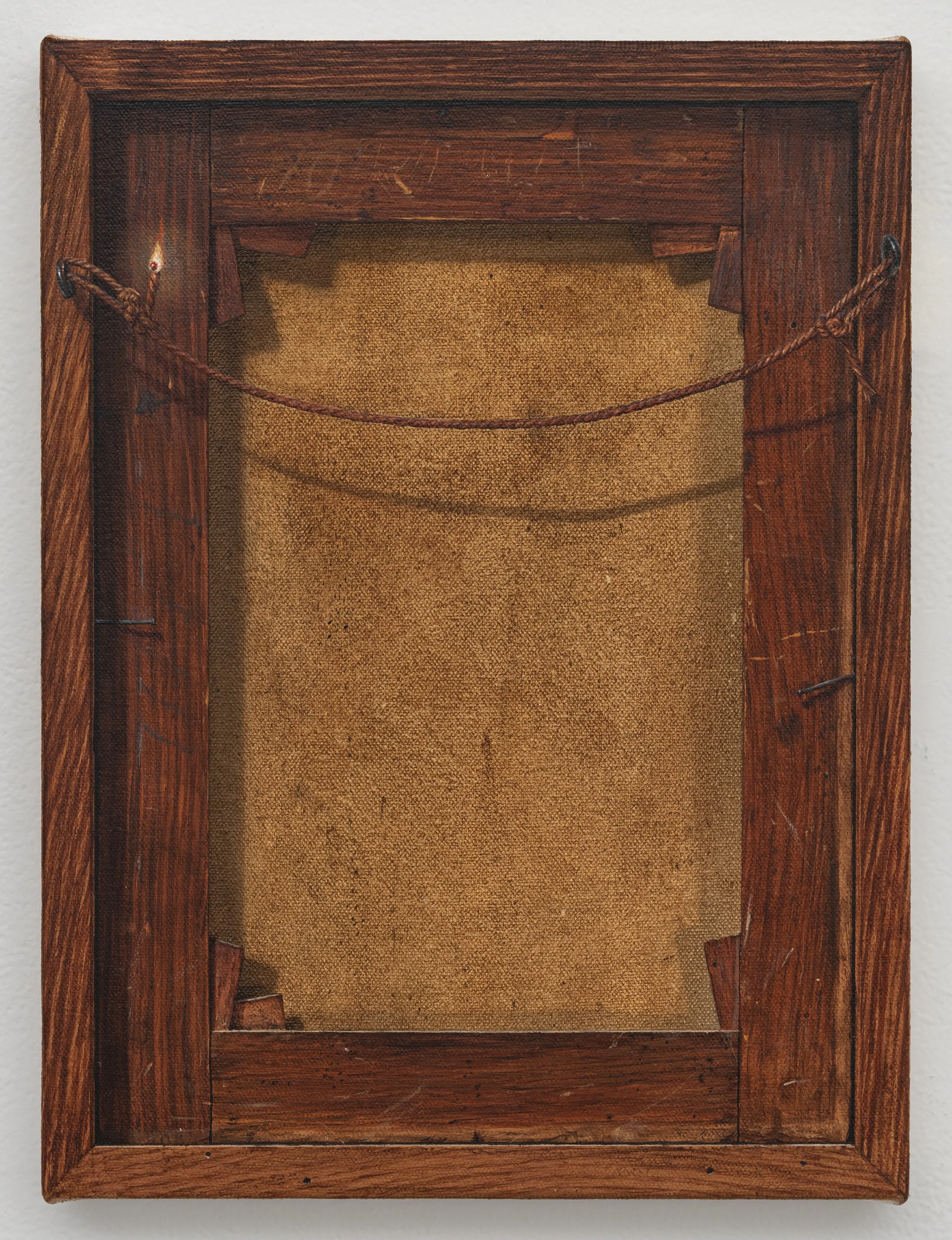
Slight Burning, 2025. Courtesy of Fredericks & Freiser, NY. Photographed by Cary Whittier
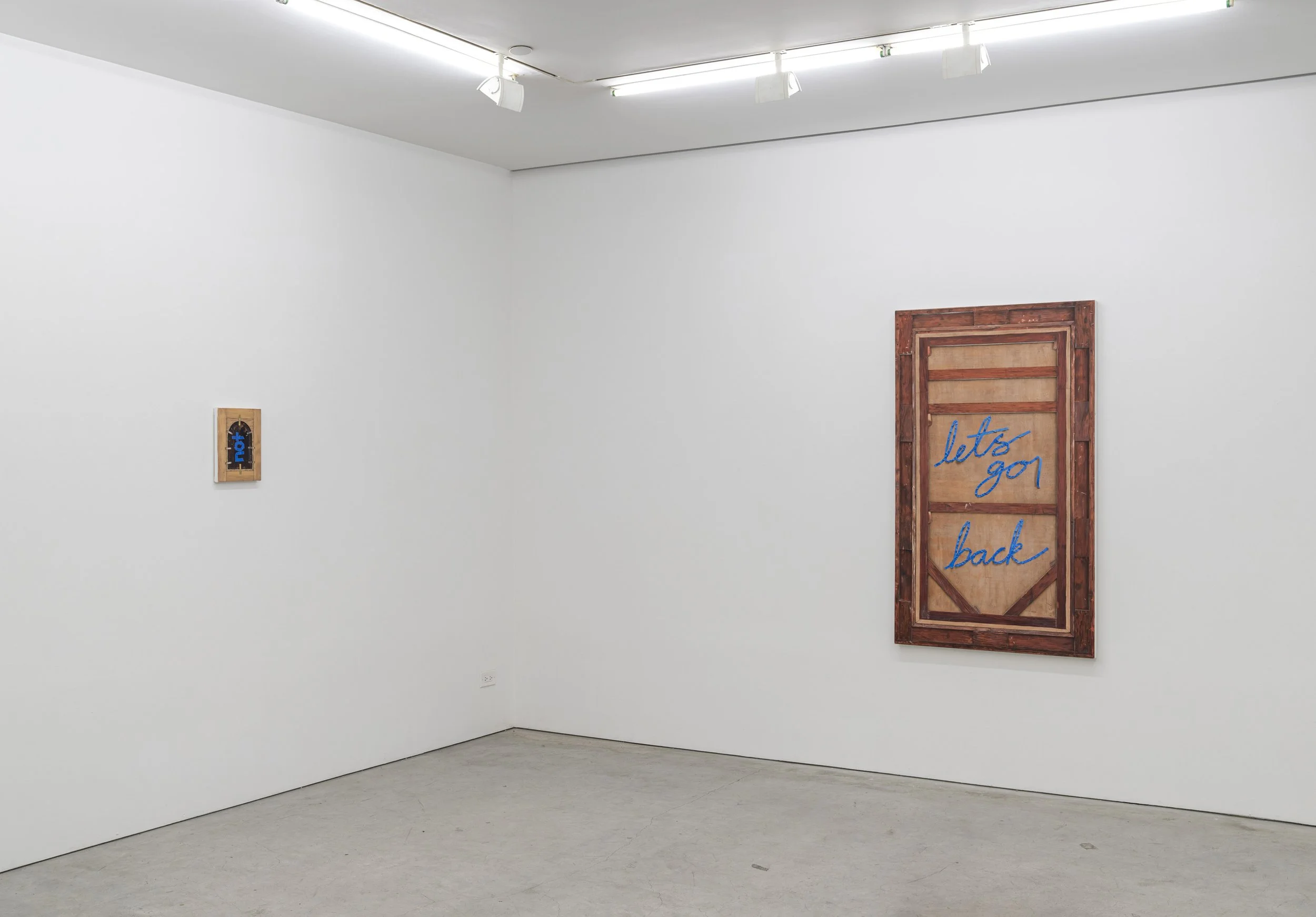
Verso, Install shot, Fredericks & Freiser, 2026. Courtesy of Fredericks & Freiser, NY. Photographed by Cary Whittier
Many of the works suggest a kind of staged intimacy, where surfaces appear soft, worn, or emotionally expressive, yet are meticulously constructed and controlled. How do you think about vulnerability in your paintings, and where does performance begin to take over from sincerity, if at all?
Labor is a way to express deep care. The viewer has to look longer to take in the details as they’re confronted with obsessive levels of painting. Presenting such painting methods is vulnerable as everything is laid bare. There’s not much left to hide behind, especially since the objects represent myself. By being the clown and making fun of myself, the performance takes the form of the dancing monkey that’s willing to laugh at themselves for the consumption of others. I’m begging the viewer to look and stay with the paintings by presenting myself in humorous ways and painting with precision. This level of sincerity risks failing the tightrope walk, tipping into misguiding the viewer. I love this specific pressure though.
There’s a strong sense of theatricality in the work, where humour, vulnerability, and technical virtuosity exist side by side, sometimes tipping into something uncomfortable or overexposed. How do you approach that tension between control and collapse when constructing an image, and what role does illusion play in holding it together?
I want my still-lifes to have friction, as if they are moments from falling apart or have been haphazardly thrown together. Illusionistic painting can very easily become one note, so I use precarity to push up against it and thwart its labor and perfectionism. I constantly feel unease in the studio, which sounds bad at first, but the tension keeps me on my toes. I want the viewer to be brought in on that strange feeling artists get in the studio and making process. Being an artist really is not as glamorous as Instagram makes it seem, so I’m trying to strip away some of that luster. However, the trompe l’oeil of it all means I am deceiving the viewer with illusion and it’s up to them to decide whether to trust me or not. My images, while convincing, threaten to collapse the whole structure.
Tell us a bit about how you spend your day / studio routine? What is your studio like?
My studio is at home, so I’m always thinking about painting. My studio routine changes constantly, as time in the studio ranges from meticulously recreating blue painter’s tape in oil paint to staging still-lifes for hours on end. The variety in methods of painting keep me sane, which is why I use them to reflect the struggle of the artist in the studio. I could never do the same thing every day. I rotate between listening to podcasts, audiobooks, and music as some times I need to truly focus on what I’m doing while other times I can spare some brain power and follow a narrative. The best part of a home studio is that I can work whenever I want, which has created a bit of a fun mess when it comes to a separation of work and home life. My studio is typically an organized chaos, where things are strewn about, but I know where everything is at all times. During particularly busy times, I try to keep it more tidy, but it inevitably ends up littered again.
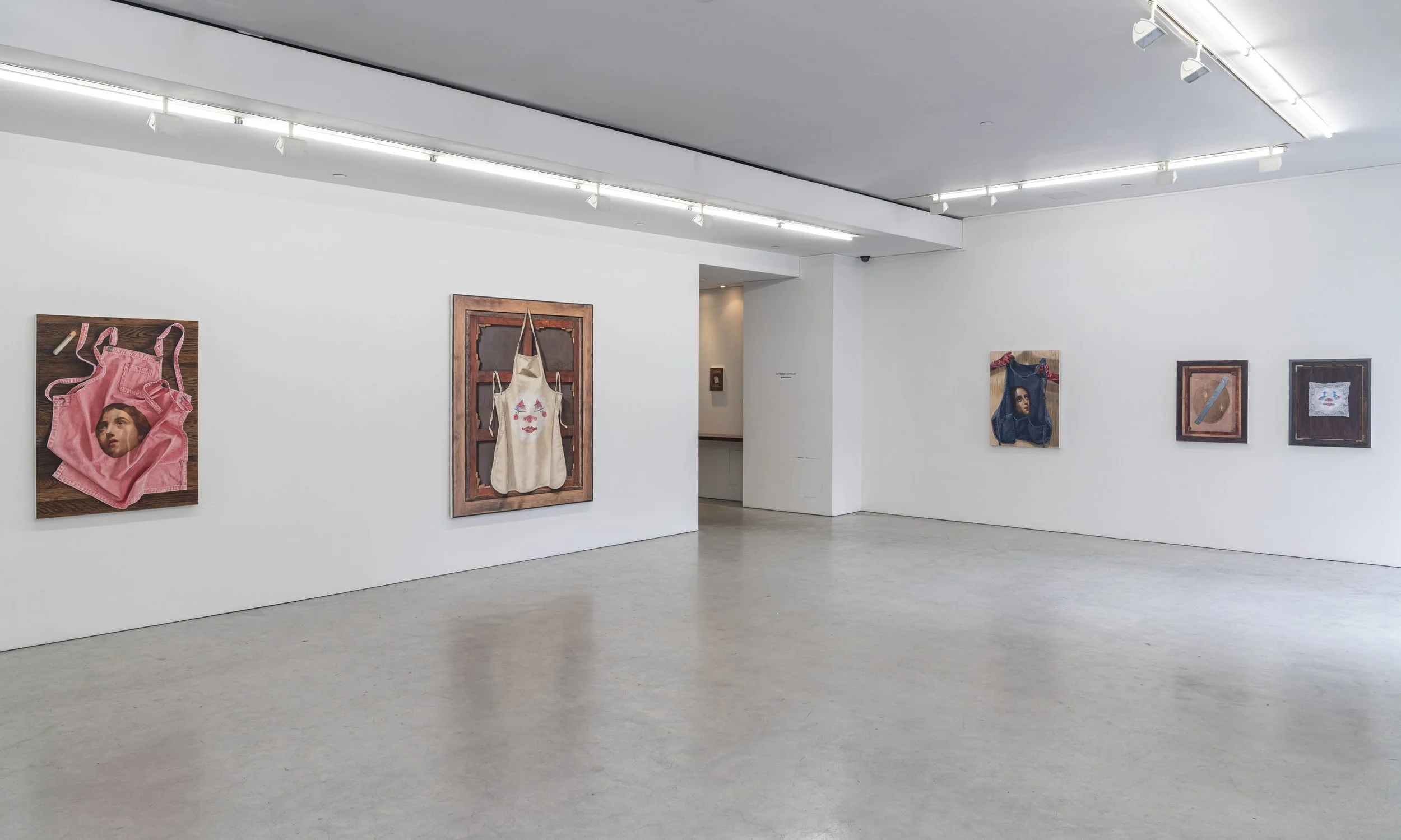
Verso, Install shot, Fredericks & Freiser, 2026. Courtesy of Fredericks & Freiser, NY. Photographed by Cary Whittier
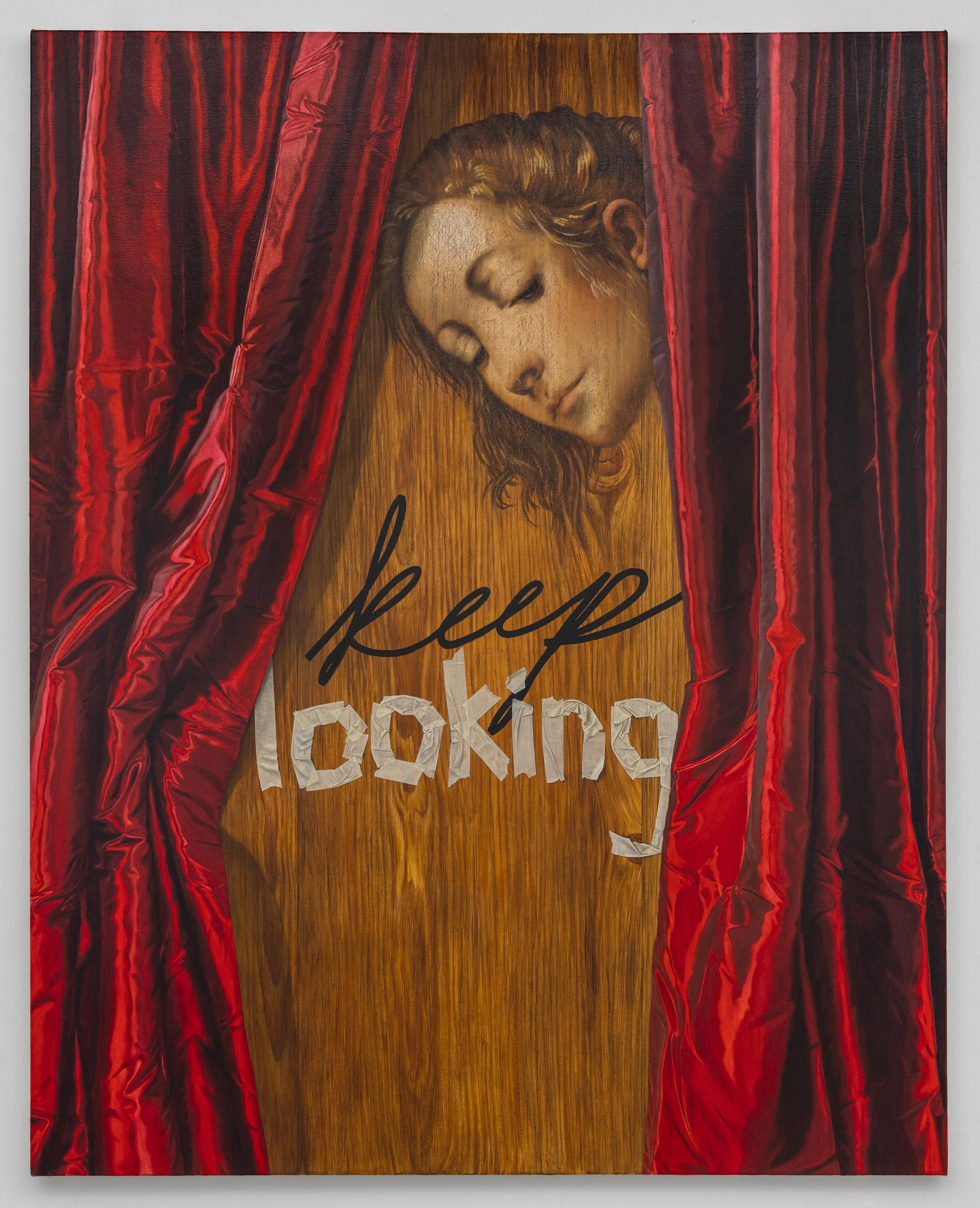
Keep Looking, 2025. Courtesy of Fredericks & Freiser, NY. Photographed by Cary Whittier
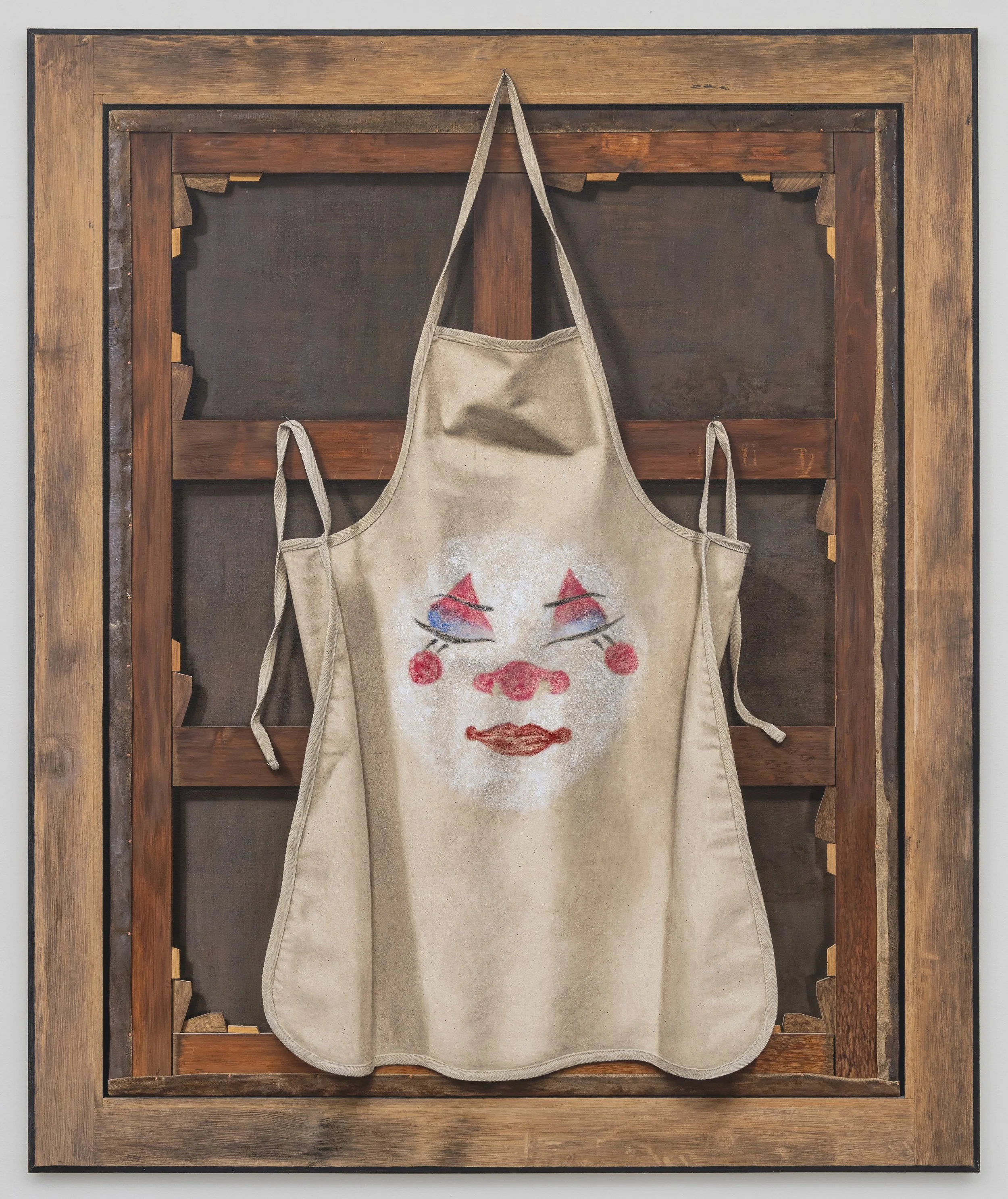
The Painter’s Altar, 2025. Courtesy of Fredericks & Freiser, NY. Photographed by Cary Whittier
What artwork have you seen recently that has resonated with you?
Cut-Out Trompe l’oeil Easel with Fruit Piece by Cornelius Norbertus Gijsbrechts
I haven’t had the chance to see it in person, but I recently saw it online and can’t stop thinking about it. It was made in 1670 but feels incredibly contemporary. There aren’t many (if any) painting sculptures pre-modern and contemporary art, so it takes incredible guts to make something like that during a time where art still served a pragmatic function and largely focused on craft. I’m a diehard Cornelius Norbertus Gijsbrechts fan anyway, as he’s the pinnacle of trompe l’oeil painting during the Dutch Golden Age. One day I’ll go see it in person and bask in its glory.
Is there anything new and exciting in the pipeline you would like to tell us about?
Not anything I can talk about just yet! I’m still relishing in my show Verso being on view at Fredericks & Freiser. (January 15 – February 7, 2026)
All images courtesy of the artists and Fredericks & Freiser
Interview publish date: 02/02/2026